Microsoft’s 2025 Work Trend Index (WTI) has revealed a seismic shift in global workplace dynamics with the emergence of a new type of business entity: the Frontier Firm.
These forward-thinking companies are leading the charge in the age of artificial intelligence by embracing on-demand intelligence, hybrid human-agent collaboration, and adaptive workplace structures that redefine how work is done.
The report, titled “2025: The Year the Frontier Firm Is Born,” is Microsoft’s fifth annual exploration into work trends. Developed in collaboration with LinkedIn, the study draws on insights from 31,000 professionals across 31 countries, LinkedIn’s Economic Graph, and trillions of Microsoft 365 productivity signals — including emails, chats, and meetings.
According to the report, AI has fundamentally altered the equation of workforce capacity. With intelligence now abundant, affordable, and scalable, businesses no longer depend solely on human headcount to meet demand.
READ ALSO: Microsoft announces $1 million investment in Nigeria to boost AI skills
The result is the birth of the Frontier Firm — organizations that blend digital labor and human expertise to operate at unprecedented levels of efficiency.
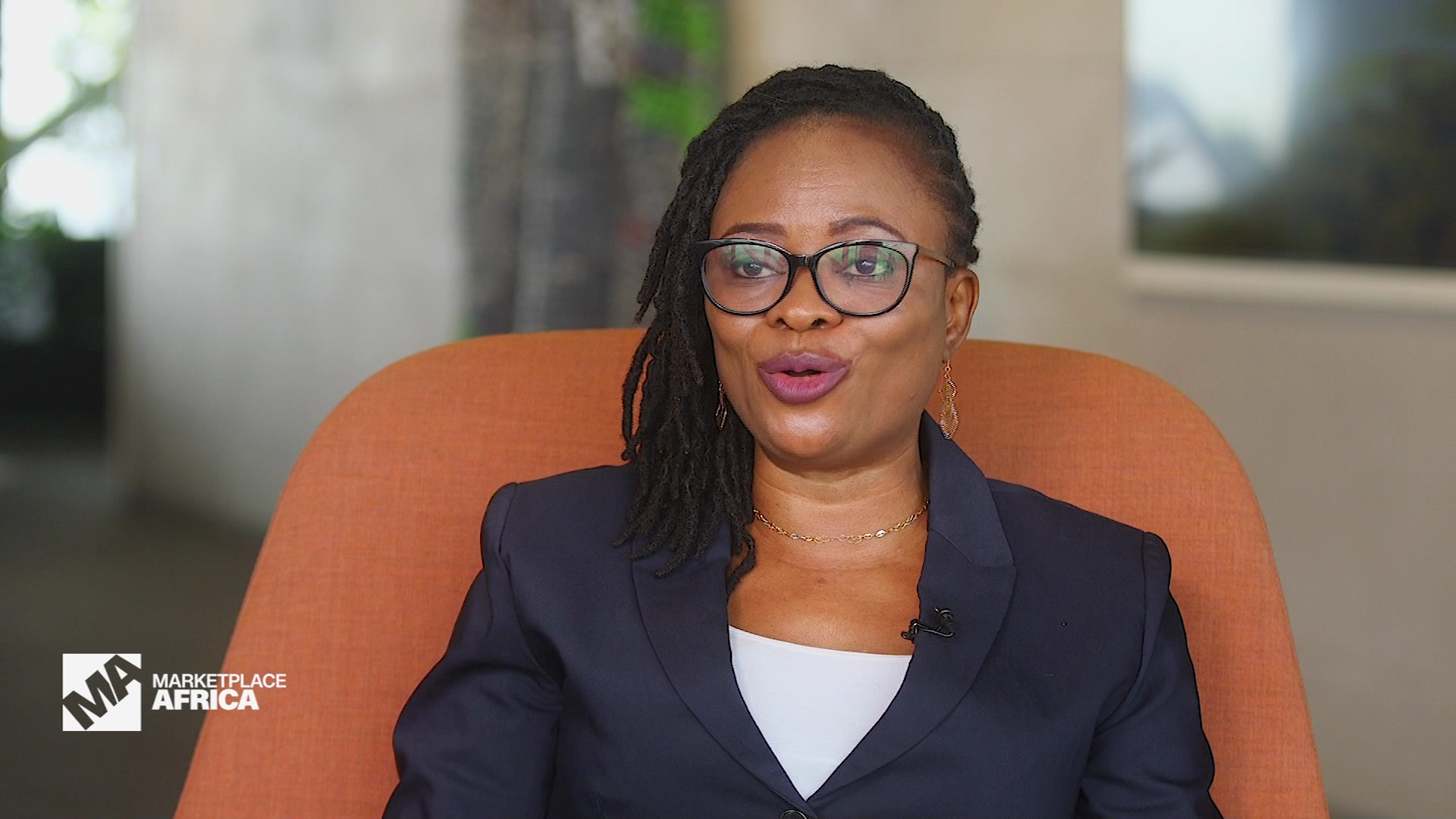
“The shift is multifaceted. Every industry and role will evolve differently as AI diffuses across business and society,” said Ola Williams, Country Manager for Microsoft Nigeria. “Just as the internet created billions of new knowledge jobs, the AI era is giving rise to entirely new roles — and many more will follow.”
The report highlights Nigeria’s increasing readiness for AI adoption, ranking 7th in Africa in the 2024 Oxford Insights AI Readiness Index.
Nigeria has seen a 43% increase in AI startup investments since early 2023, driven by innovations in fintech, healthcare, agriculture, and strong support from pro-innovation government policies.
The Lagos AI Institute and other academic institutions are playing a pivotal role in upskilling talent, enabling Nigeria to become a key player in Africa’s AI future.
The WTI report also details the evolution of workplace structures, where traditional hierarchies are giving way to fluid, outcome-driven work models. In these setups, human employees and AI agents collaborate seamlessly — with many professionals now acting as “agent bosses”, who build, manage, and delegate to AI tools.
Although 67% of leaders report being familiar with AI agents, only 40% of employees say the same — highlighting a knowledge gap. Likewise, while 79% of leaders believe AI will accelerate their careers, just 67% of employees share that optimism.
Microsoft’s report sends a clear message to business leaders: organizations that fail to strategically incorporate AI into their workforce models risk falling behind.
“The findings of this year’s Work Trend Index make it clear that businesses must rethink how they harness AI to unlock their full potential,” said Williams.
“The rise of Frontier Firms shows that those who embrace AI innovation and empower their human-agent teams will define the future of work.”



 Latest1 week ago
 Football1 week ago
 Business6 days ago
 Latest7 days ago
 Health1 week ago
 Latest6 days ago
 Latest6 days ago
 Latest1 week ago