Since 2017, Nigeria’s counterterrorism campaign in the North has been overshadowed by repeated allegations of accidental airstrikes that reportedly killed hundreds of unarmed civilians while targeting insurgents and bandits.
Human rights groups and media reports estimate that at least 409 civilians may have died in such incidents over the past nine years. Although the Nigerian military has denied or disputed some of the claims — maintaining that its operations targeted terrorist elements — several cases have drawn widespread local and international attention.
One of the most prominent incidents occurred on January 17, 2017, when a jet of the Nigerian Air Force mistakenly bombed an Internally Displaced Persons (IDP) camp in Rann, near the Cameroonian border in Borno State.
At least 115 people were killed in the strike, including six aid workers from the International Committee of the Red Cross. More than 100 displaced persons were also injured. The tragedy triggered global outrage and raised serious questions about targeting procedures and intelligence coordination.
On December 18, 2022, an airstrike in Mutumji village, Zamfara State, reportedly killed at least 64 people. The military had been targeting bandits operating in the region but was accused of striking innocent villagers.
Barely a month later, on January 24, 2023, another airstrike allegedly killed about 50 herders in Doma Local Government Area of Nasarawa State. The Miyetti Allah Cattle Breeders Association of Nigeria claimed the victims were members who had gone to retrieve seized cattle.
Following a visit to the area, the then Chief of Air Staff, Hassan Abubakar, stated that the Air Force had acted on intelligence indicating terrorist activity in the location.
READ ALSO: Boko Haram releases video of 416 Ngoshe abductees
In December 2023, a Nigerian Army drone strike hit Tudun Biri village in Kaduna State during a Muslim Maulud celebration. Residents reported hearing an aircraft overhead shortly before a large explosion. Amnesty International said no fewer than 120 unarmed civilians were killed in the strike.
On December 25, 2024, airstrikes in Gidan Sama and Rumtuwa villages in Surame Local Government Area of Sokoto State reportedly killed at least 10 villagers. The operation was said to have targeted the Lakurawa terror group.
While the military initially denied civilian casualties, Sokoto State Governor Ahmed Aliyu confirmed that 10 innocent villagers died and several others were wounded.
“The military jets were on their mission to eliminate criminal armed groups terrorizing the state, and mistakenly bombed innocent people of this community,” Aliyu said after visiting the scene.
The then Chief of Defence Staff, Christopher Musa, later acknowledged that the airstrike intended to flush out Lakurawa terrorists mistakenly hit the two communities, though he also accused residents of harboring members of the group.
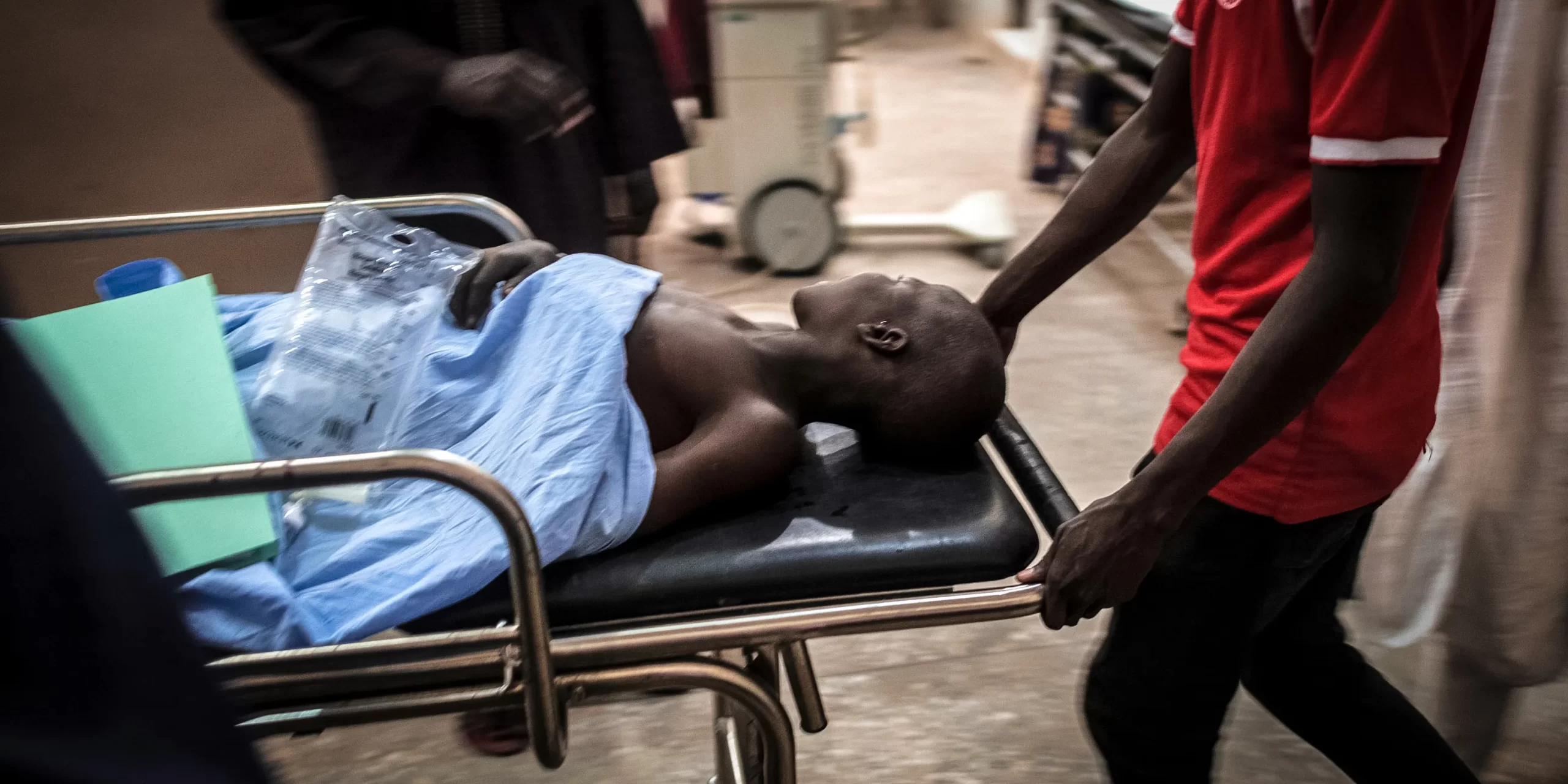
The most recent controversy followed an April 11, 2026 airstrike on Jilli Market in Yobe State, near the Gubio Local Government Area of Borno State. Reports indicate that about 50 civilians were killed and several others seriously injured.
However, the Northeast Joint Task Force, Operation Hadin Kai, defended the strike. Its spokesperson, Lt. Col. Sanni Uba, said the operation followed sustained intelligence, surveillance and reconnaissance missions tracking suspected ISWAP fighters converging on the location with motorcycles and gun trucks.
In a separate statement, Air Commodore Ehimen Ejodame, Director of Public Relations and Information at the Nigerian Air Force headquarters, said the service treats all allegations of civilian harm with “utmost seriousness and empathy.”
He disclosed that the Chief of the Air Staff had ordered the immediate activation of the Civilian Harm Accident and Investigation Cell to conduct a fact-finding mission into the incident.
The latest strike has triggered widespread reactions across the country, with many Nigerians demanding improved intelligence coordination and transparent investigations into repeated civilian casualties.
Islamic cleric Ahmad Gumi questioned the accountability framework surrounding such operations and called on the Senate to conduct hearings into what he described as recurring “mistakes” involving the bombing of villages and markets.
Meanwhile, Borno State Governor Babagana Zulum defended the military’s position, stating that the Jilli market in question had been shut down five years ago, suggesting it may have been repurposed by insurgent elements.
Nigeria’s armed forces continue to battle insurgent groups such as Boko Haram, ISWAP and armed bandits across the northern region. Military authorities maintain that operations are intelligence-driven and aimed at dismantling terrorist networks threatening national security.
However, repeated allegations of accidental strikes on civilian populations have intensified calls for stronger safeguards, better intelligence verification and clearer accountability mechanisms to prevent further loss of innocent lives.
As investigations into the latest incident unfold, the debate over how to balance aggressive counterterrorism operations with civilian protection remains at the forefront of Nigeria’s security challenges.



 Latest1 week ago
 Latest7 days ago
 Crime1 week ago
 Latest1 week ago
 Business1 week ago
 Latest6 days ago
 Latest6 days ago
 Crime7 days ago