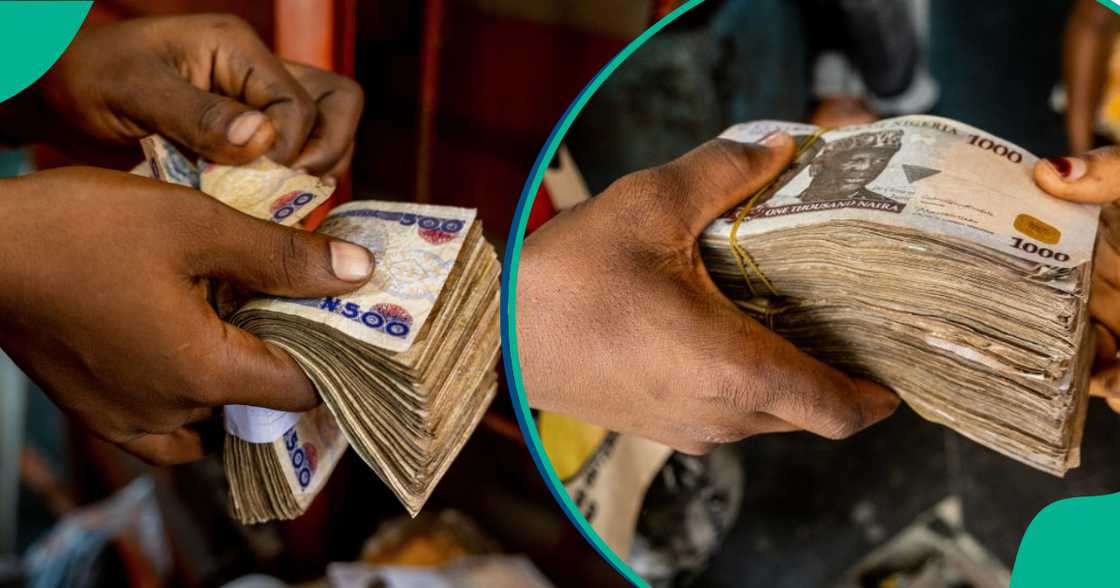
The Nigerian naira continued its downward slide on Tuesday, trading at approximately N1,600 to the dollar in the unofficial market, while it weakened to N1,550/$ at the Nigerian Foreign Exchange Market (NFEM), according to data from the Central Bank of Nigeria (CBN).
This latest depreciation comes amid a confluence of global and domestic economic shifts, including a significant dip in crude oil prices and easing geopolitical tensions in the Middle East, both of which have affected foreign exchange inflows to Nigeria.
The naira’s fundamental outlook deteriorated sharply as global crude oil prices fell below $70 per barrel, a level not seen in recent months.
Crude oil remains Nigeria’s most critical source of foreign exchange earnings, and any decline in prices directly affects the country’s reserves and FX stability.
Market analysts attributed the oil price slump to reduced geopolitical risk premiums after U.S. President Donald Trump announced a ceasefire between Israel and Iran, ending a volatile 12-day military conflict that had roiled global energy markets.
Although the ceasefire temporarily lifted investor sentiment in global markets, it undermined demand for oil as a geopolitical hedge, prompting a decline in prices and exerting further pressure on oil-reliant currencies like the naira.
In response to growing concerns about monetary stability, the CBN held an Open Market Operations (OMO) auction to absorb excess liquidity in the banking system. The auction featured 155-day and 204-day bills, attracting total subscriptions of N1.14 trillion.
READ ALSO: Naira ends week mixed as official rate gains, black market slips
The apex bank allotted N1.07 trillion at stop rates of 24.2% and 24.6%, respectively — reflecting high yield appetites and inflationary concerns among investors.
Market analysts say the tight monetary stance signals the CBN’s resolve to control inflationary pressures and defend the naira amid continued FX volatility.
Meanwhile, the U.S. Dollar Index (DXY) slipped to 98.25, influenced by both the Middle East truce and dovish commentary from Federal Reserve officials, who signaled possible interest rate cuts ahead.
President Trump, who brokered the ceasefire, said in a Truth Social post:
“As long as everything goes according to plan, which it will, then I want to congratulate both countries, Israel and Iran, for having the stamina, courage, and intelligence to finish what ought to be dubbed the ‘THE 12 DAY WAR.’”
Reports indicate that Tehran fired its final missile barrage before agreeing to the ceasefire terms, which include no further Israeli aggression and no Iranian airstrikes on strategic targets.
Despite some initial hesitation, Iran’s foreign ministry has now signaled tentative compliance, contingent on Israel maintaining the ceasefire.
Back in the U.S., markets are closely watching Federal Reserve Chair Jerome Powell’s upcoming testimony and Tuesday’s Consumer Confidence report for signs of the Fed’s next policy steps.
With inflation pressures easing, some officials like Fed Governor Christopher J. Waller have hinted at a possible interest rate cut by the end of July.
However, data from the CME FedWatch Tool indicates that a majority of analysts still expect the Fed to wait until September before making any rate adjustments.
With Nigeria’s heavy dependence on oil revenues and persistent challenges in boosting non-oil exports, the naira remains vulnerable to global market shocks.
Analysts warn that unless oil prices recover and dollar inflows increase, the naira could remain under pressure in both official and parallel markets.
The CBN is expected to maintain tight liquidity controls while working to rebuild foreign reserves and stabilize the FX environment.
However, the broader direction of the naira may ultimately hinge on external factors, including geopolitical developments, U.S. monetary policy, and global commodity demand.




 Entertainment5 days ago
 Business1 week ago
 Latest1 week ago
 Aviation7 days ago

 Crime6 days ago
 Crime5 days ago
 Featured7 days ago