The Nigerian Communications Commission (NCC) has commissioned PricewaterhouseCoopers (PwC) to undertake a comprehensive review of competition in Nigeria’s telecommunications industry amid growing concerns over market dominance and the sustainability of fair competition.
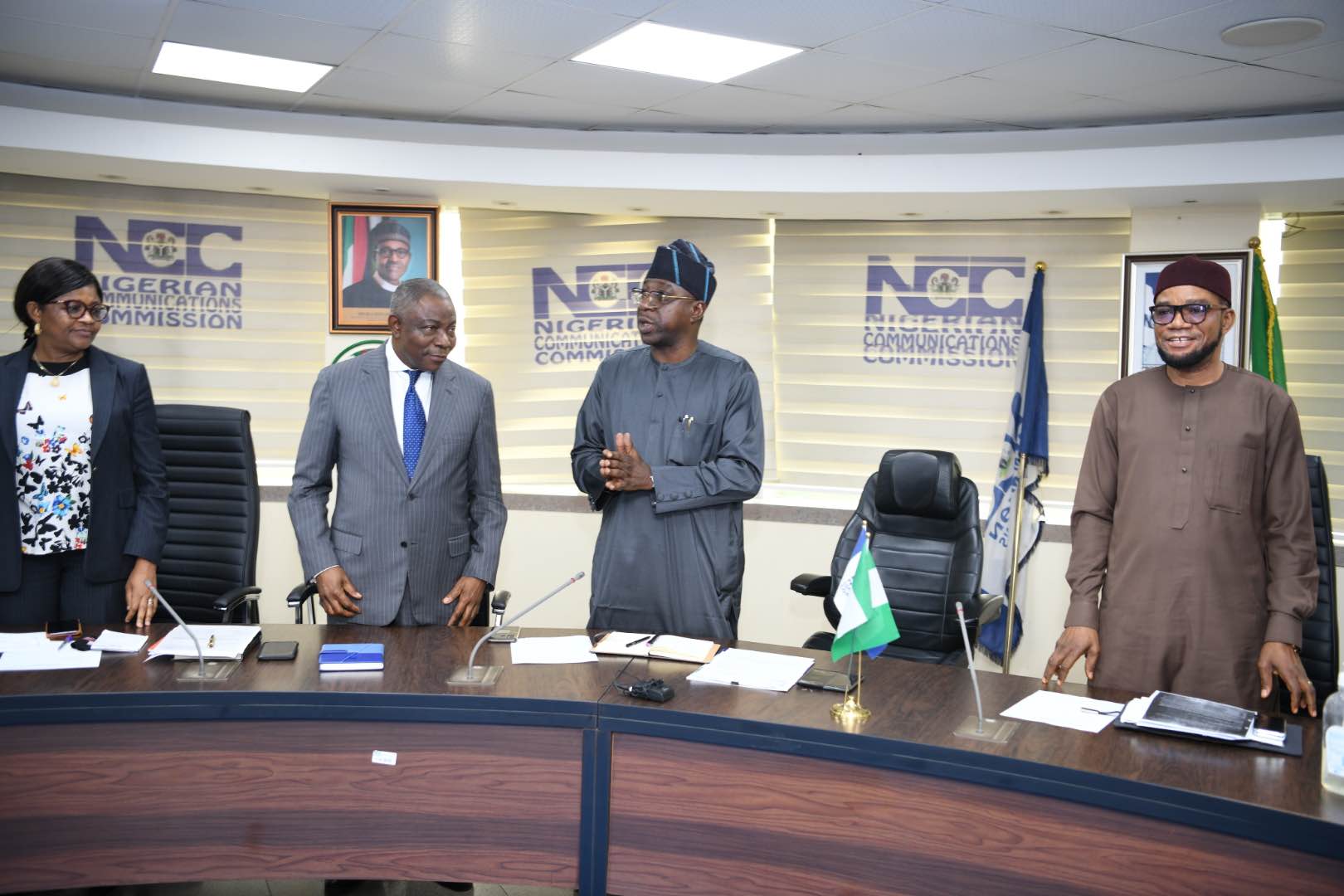
The development was disclosed on Tuesday at a stakeholders’ forum on the Study of Competition in the Nigerian Telecommunications Industry held in Lagos.
The initiative comes as the telecoms sector continues to play a pivotal role in Nigeria’s digital economy, contributing about 9.1 per cent to the country’s Gross Domestic Product (GDP) as of the third quarter of 2025.
According to the NCC, the study aims to assess the effectiveness of existing competition policies in light of current market realities, following significant structural, technological and behavioural changes across the industry.
Speaking at the forum, the Head of Tariff, Policy, Competition and Economic Analysis Department at the NCC, Mrs Omotayo Mohammed, said the exercise had become imperative given the rapid evolution of the telecommunications market.
She explained that changes in revenue models, investment patterns and market interactions have fundamentally reshaped how competition operates in the sector. These developments, she said, have raised concerns around market concentration, barriers to entry and the long-term viability of smaller operators.
“Rapid technological advancement, changing consumer behaviour, rising investment costs and increasing competitive pressure have heightened concerns about market dominance and the sustainability of effective competition,” Mohammed said.
“To support evidence-based decision-making, the Commission has engaged PricewaterhouseCoopers to conduct an independent, data-driven study on the level of competition in the Nigerian telecoms industry. This reflects our commitment to methodological rigour, analytical independence and alignment with international best practices in competition and economic analysis.”
Mohammed noted that the last comprehensive, industry-wide competition assessment carried out by the Commission was completed in 2013, while subsequent reviews have focused only on specific services and market segments. She said the scale of technological change and shifts in consumer behaviour now require a holistic reassessment of competition across the entire telecommunications value chain.
She stressed that the ongoing study is diagnostic and evidence-based, adding that it is not designed to pre-judge outcomes or target any operator.
READ ALSO: NCC initiates study on competition in Nigerian telecom industry
Also speaking, Director of Strategy at PwC Network, Akolawole Odunlami, described the study as timely, given the slowing growth and structural transformation of the global telecommunications industry.
He said the global telecoms market is projected to reach approximately $1.3 trillion by 2028, but annual growth has moderated to between 2 and 3 per cent, compared with around 4 per cent growth recorded before the COVID-19 pandemic.
Odunlami observed that although subscriber numbers in sub-Saharan Africa continue to increase, many operators are experiencing declining average revenue per user (ARPU), intensifying competition and placing pressure on traditional business models.
He added that consumer preferences are also shifting, with users becoming increasingly digital-first and demanding connectivity-enabled services rather than basic voice and data offerings.
“Today’s consumers are not just buying data. They are seeking digital experiences such as entertainment, financial services, self-service applications and social connectivity, with data serving as the backbone,” he said.
According to him, telecom operators globally are rethinking their strategies by integrating lifestyle services such as utilities, healthcare and fintech into their platforms, while Over-The-Top (OTT) services like WhatsApp and Microsoft Teams continue to erode traditional voice and messaging revenues.
The NCC said the outcome of the study would help guide future regulatory interventions aimed at promoting healthy competition, innovation and long-term sustainability in Nigeria’s telecommunications industry.



 Football1 week ago
 Business1 week ago
 Latest6 days ago
 Business7 days ago
 Football1 week ago
 Business1 week ago
 Business1 week ago
 Football1 week ago