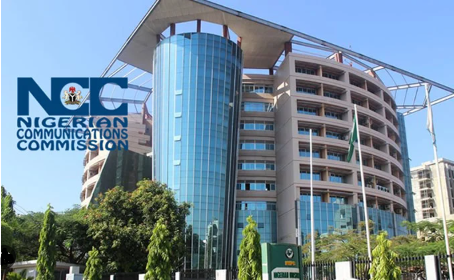
The Executive Vice Chairman of the Nigerian Communications Commission (NCC), Dr. Aminu Maida, has announced that Nigeria’s telecommunications sector is on a robust recovery path, with a projected surge in investment following recent reforms and improved operational conditions.
Speaking during an interactive session with journalists at the Digital Economy Complex in Mbora, Abuja, Dr. Maida, represented by the Acting Head of Public Affairs, Mrs. Nnenna Ukoha, revealed that the industry has begun to overcome the foreign exchange crisis that significantly hindered operations over the past two years.
“About two years ago, several major operators suffered significant losses due to heavy foreign exchange obligations, despite reporting growing revenues. This impacted service quality,” Dr. Maida explained.
However, he noted that recent tariff adjustments have successfully restored profitability, empowering operators to reinvest in infrastructure. This reinvestment is expected to lead to improved service delivery and a better customer experience for Nigerians.
“We expect investments in the telecom sector to rise significantly this year—higher than in the last two years. The industry has demonstrated resilience, evident in its continued revenue growth,” he added, expressing optimism for the sector’s trajectory.
Despite this positive outlook, Dr. Maida acknowledged persistent challenges facing the sector, including:
- Right of Way (RoW) issues, which delay and increase the cost of infrastructure deployment.
- Frequent fibre cuts and theft, disrupting connectivity.
- Infrastructure vandalism, leading to significant financial losses and service outages.
- Energy constraints, particularly reliance on diesel for power.
- Lingering foreign exchange volatility, which impacts import costs for equipment.
He highlighted a disturbing trend, citing 147 fibre cuts recorded within just 10 days in May 2025, which drastically affected network performance in the impacted areas.
To mitigate these challenges, the NCC is actively partnering with relevant government bodies to implement comprehensive preventive measures:
- A Memorandum of Understanding (MoU) will soon be signed between the Federal Ministry of Works and the NCC to specifically address fibre damage caused by road construction and rehabilitation activities.
- The NCC is collaborating with the Nigerian Governors Forum to resolve long-standing RoW challenges, aiming for harmonized and reduced fees.
- Concerns over potential telecom disruptions during the construction of the Lagos-Calabar Coastal Highway have also been addressed, with measures being put in place to ensure minimal impact.
ALSO READ : BOI launches sustainable finance framework to drive Inclusive, Climate-resilient growth
Furthermore, the NCC plans to adopt a “name and shame” strategy to expose and prosecute individuals involved in fibre vandalism and infrastructure theft. This initiative will involve a strong partnership with the Office of the Attorney General of the Federation and the Nigerian Security and Civil Defence Corps (NSCDC) to ensure legal consequences for offenders.
Dr. Maida underscored the critical importance of telecommunications to national development, stating: “A robust telecom infrastructure is critical not only for economic growth but also for national security. It underpins public services, social interaction, and digital transformation.”
He also appealed to the media for greater collaboration, emphasizing that ongoing discussions in other critical areas of the sector would be guided by global best practices and always prioritize the best interests of consumers and the overall Nigerian economy.















 Crime1 week ago
 Football7 days ago
 Football7 days ago
 Business7 days ago

 Football7 days ago
 Business6 days ago
 Football7 days ago