The Nigerian Communications Commission (NCC) has reaffirmed its commitment to fully implementing President Bola Ahmed Tinubu’s Executive Order on Critical National Information Infrastructure (CNII), which recognises telecommunications facilities as strategic national assets requiring maximum protection.
This assurance follows the successful intervention of the Office of the National Security Adviser (ONSA), working in collaboration with the NCC, to halt a planned nationwide strike by the Natural Oil and Gas Suppliers Association of Nigeria (NOGASA).
The industrial action, if carried out, would have disrupted diesel supply to telecom base stations across the country — a move that threatened to cripple network operators’ ability to power generators and maintain seamless mobile and internet connectivity.
In the days leading up to the resolution, the NSA, Mallam Nuhu Ribadu, engaged NOGASA’s leadership in a series of strategic meetings.
The NCC provided technical and regulatory insights to demonstrate how any prolonged fuel shortage for telecom operations could have severe consequences for national security, the economy, and daily life.
READ ALSO: Tinubu appoints boards for NCC, USPF to drive digital inclusion, telecom sector growth
The talks culminated in an agreement to suspend the strike, effectively averting a nationwide telecom blackout.
“Telecommunications infrastructure is the backbone of our connectivity and digital economy. Any disruption — whether from vandalism, accidental damage during construction work, theft of equipment, denial of access to maintenance teams, or interruptions in supply of essential operational materials — has far-reaching implications for service delivery, economic stability, and national security,” Ribadu warned.
The NCC, in a statement signed by its Head of Public Affairs, Nnenna Ukoha, expressed gratitude to the ONSA for its decisive leadership and to NOGASA for its maturity in recognising the critical importance of uninterrupted telecommunications services.
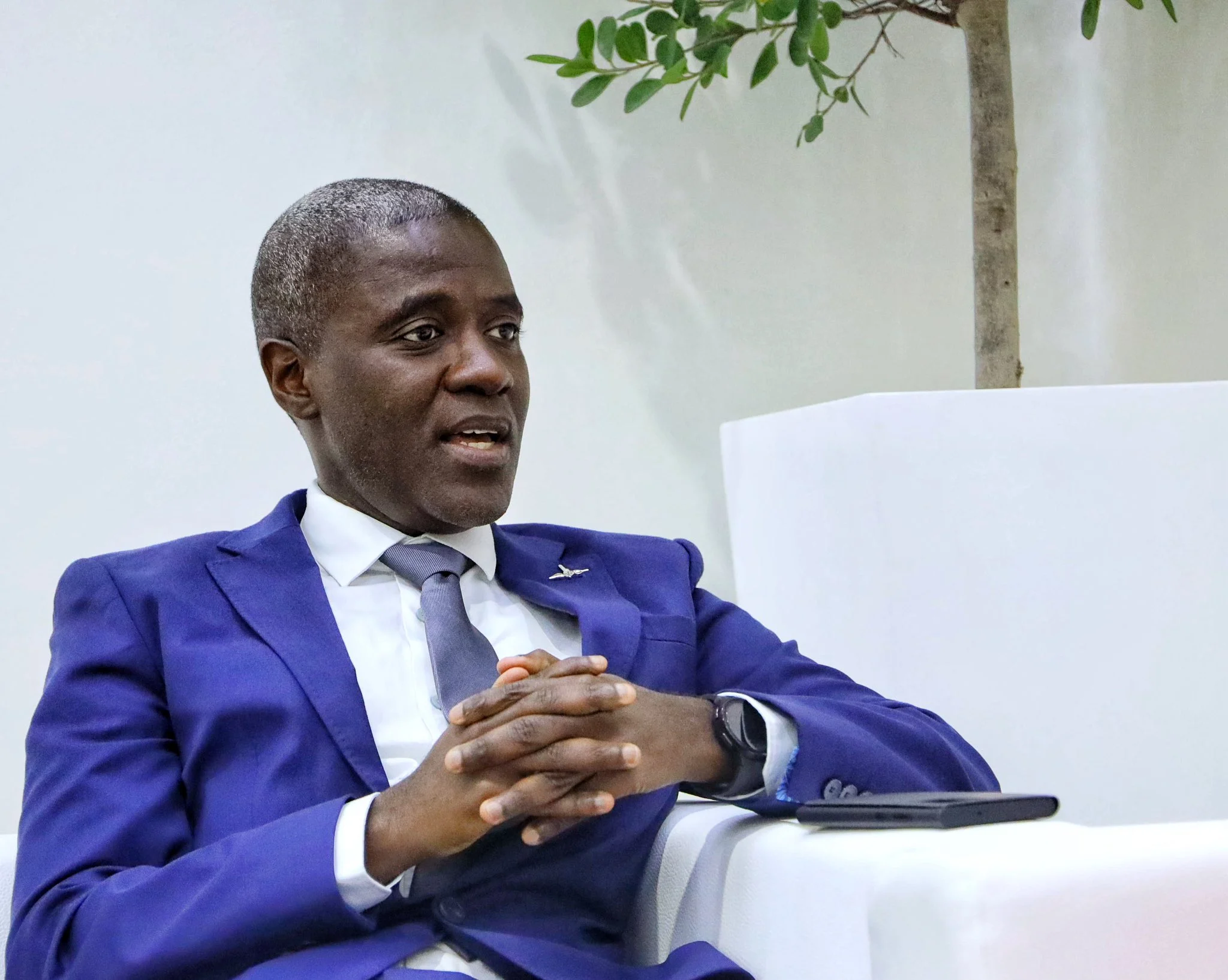
Executive Vice Chairman of the NCC, Dr. Aminu Maida, stressed that the Commission would continue to enforce strict compliance with technical standards for telecom infrastructure deployment and maintenance, while fostering greater collaboration with stakeholders to prevent disruptions.
“We also recognise mediation as an effective tool for building consensus among stakeholders,” Maida said. “This resolution underscores the importance of dialogue in preventing avoidable service interruptions.
Telecom infrastructure must be regarded by all Nigerians as a shared national asset that powers business transactions, education, healthcare, and participation in the global digital economy.”
The NCC pledged to maintain close coordination with security agencies, industry operators, and the public to safeguard the resilience and reliability of Nigeria’s telecommunications network.



 Energy1 week ago
 Crime7 days ago
 Football2 days ago
 Football1 week ago
 Business1 week ago

 Crime7 days ago
 Business1 week ago