
Business
NCC unveils 2026–2030 spectrum roadmap to boost broadband, drive $1tn digital economy

Published
1 hour agoon
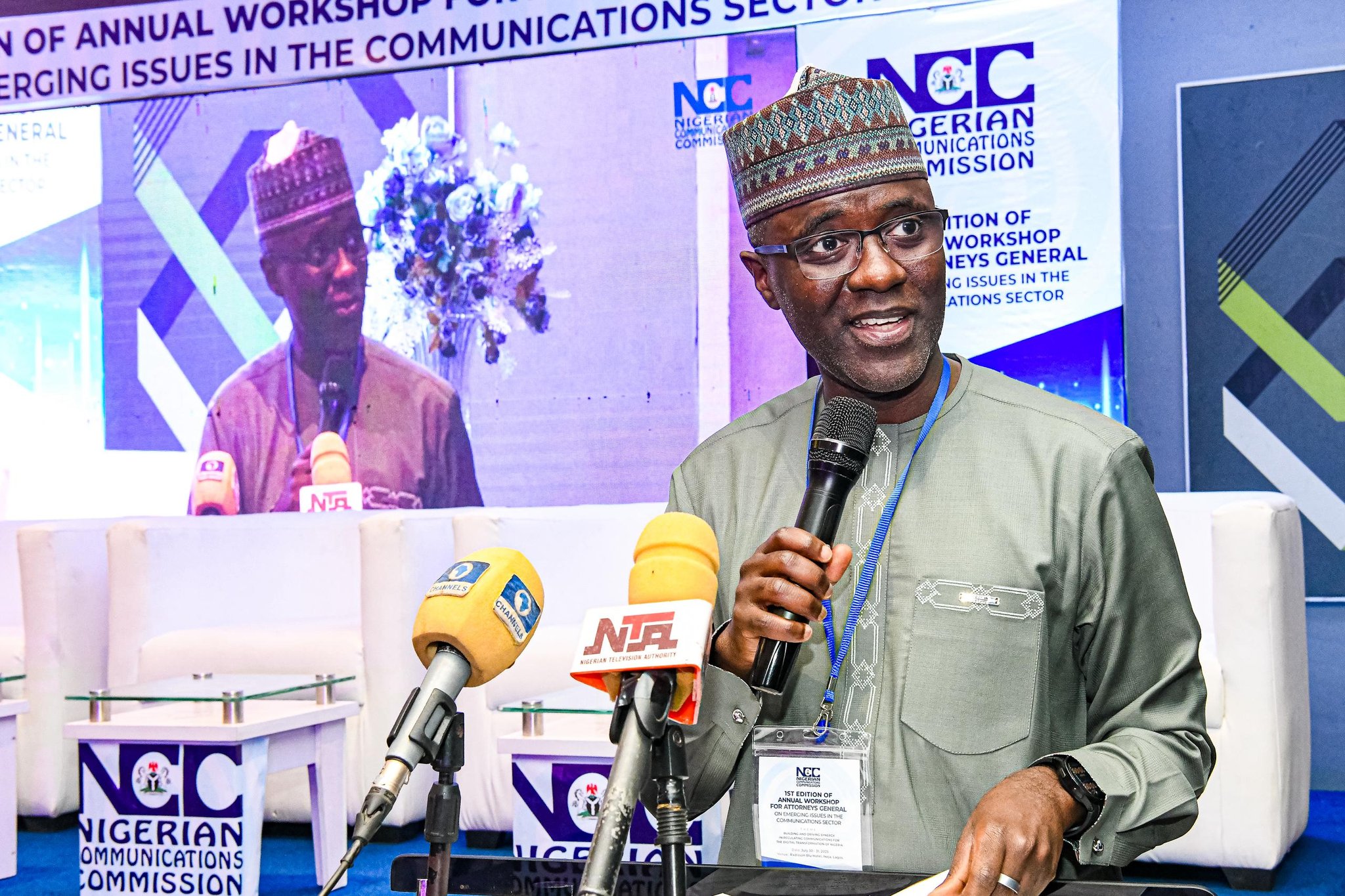
Nigeria’s telecommunications sector is set for a major overhaul following the unveiling of the Spectrum Roadmap for the Communications Sector (2026–2030) by the Nigerian Communications Commission (NCC), a strategic framework aimed at enhancing spectrum management, expanding broadband access, and accelerating the country’s digital transformation.
The roadmap provides a comprehensive plan to guide spectrum allocation, licensing, and utilisation over the next five years, positioning Nigeria to meet rising demand for high-speed internet, digital services, and emerging technologies.
At the heart of the initiative is the Executive Vice Chairman and Chief Executive Officer of the NCC, Aminu Maida, whose leadership has continued to shape regulatory reforms across the communications industry.
Speaking at the unveiling, Dr. Maida described spectrum as a vital national asset that underpins modern communications infrastructure, powering mobile networks, broadband services, satellite connectivity, digital financial platforms, and emerging technologies.
He stressed that efficient spectrum management is central to delivering faster internet speeds, reliable connectivity, and improved service quality for millions of Nigerians.
According to him, the roadmap establishes a transparent and predictable regulatory environment designed to support innovation, strengthen investor confidence, and enhance service delivery across the country.
“This framework is about building a resilient communications sector that can sustain Nigeria’s digital growth ambitions and adapt to future technological advancements,” he noted.
A key objective of the roadmap is to align spectrum planning with Nigeria’s ambition to build a $1 trillion digital economy by 2030.
The NCC believes that structured and forward-looking spectrum allocation will be instrumental in expanding broadband penetration and boosting the contribution of the Information and Communications Technology (ICT) sector to Gross Domestic Product.
With telecommunications already playing a critical role in banking, e-commerce, education, healthcare, agriculture, and government services, improved spectrum planning is expected to unlock further economic opportunities and strengthen Nigeria’s global competitiveness.
Industry analysts say a predictable regulatory environment could also attract new investments into network infrastructure and digital services.
One of the major highlights of the roadmap is the planned release of additional spectrum bands, including the lower 6GHz and 60GHz licence-exempt bands. These bands are expected to significantly increase broadband capacity, reduce network congestion, and improve wireless performance nationwide.
The additional spectrum will support the expansion of 4G services and the continued rollout of 5G networks, while also enabling advanced technologies such as the Internet of Things (IoT), smart infrastructure systems, and next-generation wireless applications.
READ ALSO: NCC orders telecom operators to compensate subscribers for poor network service
Dr. Maida emphasised that virtually all digital activities—from online learning and remote work to digital banking and smart devices—depend heavily on adequate spectrum availability.
Nigeria’s telecommunications sector has witnessed rapid growth over the past decade, driven by rising smartphone penetration, digital financial services, streaming platforms, and increased internet usage.
As data consumption surges, telecom operators face mounting pressure to expand network capacity and maintain service quality. The Spectrum Roadmap outlines a structured approach to spectrum allocation that will help operators manage growing data traffic, maintain network stability, and improve customer experience.
The NCC expects that improved spectrum planning will position Nigeria more competitively within Africa’s evolving digital landscape.
Transparency and stakeholder engagement form central pillars of the roadmap. The Commission said it has engaged telecom operators, equipment manufacturers, policy experts, and other industry stakeholders to ensure that the framework reflects market realities and national development priorities.
Dr. Maida noted that periodic spectrum reviews, clear licensing procedures, and ongoing consultations would foster regulatory certainty and encourage long-term investment.
Analysts believe that such clarity could enhance investor confidence, attract foreign direct investment, and deepen Nigeria’s telecommunications ecosystem.
Beyond economic growth, the roadmap also seeks to expand connectivity to rural and underserved communities, where millions still lack reliable internet access.
The NCC views spectrum as a critical tool for promoting digital inclusion, enabling broader access to digital education, telemedicine, mobile banking, and government services.
According to Dr. Maida, effective spectrum management goes beyond technical regulation and directly impacts social and economic development by connecting communities and creating opportunities.
The 2026–2030 Spectrum Roadmap also positions Nigeria to harness emerging technologies such as artificial intelligence, smart cities, cloud computing, IoT ecosystems, and eventually 6G networks.
By adopting proactive spectrum planning, the NCC aims to ensure that Nigeria remains competitive and capable of supporting next-generation communications infrastructure.
With the unveiling of the roadmap, the Commission signalled its intention to treat spectrum not merely as a regulatory asset but as a strategic national resource central to economic growth and digital empowerment.
Industry stakeholders say the success of the roadmap will depend on consistent implementation, sustained investment, and continued collaboration between regulators and operators as Nigeria seeks to cement its status as a leading communications hub in Africa.

You may like
Trending

 Football6 days ago
Iraq ends 40-year World Cup exile as Baghdad erupts in joy

 Business5 days ago
Nigeria braces for cost surge amid 2026 inflation projections

 Crime7 days ago
Kano-based lawyer reportedly dies after being trapped in Abuja hotel lift

 Business7 days ago
CBN unveils mandatory cybersecurity self-assessment tool for Banks

 Business1 week ago
Petrol price hikes trigger surge in transport fares nationwide
 Latest4 days ago
ADC accuses INEC of misinterpreting court order, demands chairman’s removal amidst growing leadership crisis

 Business5 days ago
Naira slips to N1,387/$ in March amid persistent FX market turmoil

 Business6 days ago
CBN confirms 33 Banks meet minimum capital requirements as recapitalization deadline ends