Despite holding valid National Health Insurance Authority (NHIA) cards, thousands of Nigerians—including federal civil servants, market traders, and artisans—are now being forced to pay out-of-pocket for routine medical care, a disturbing sign of the growing dysfunction in Nigeria’s health insurance system.
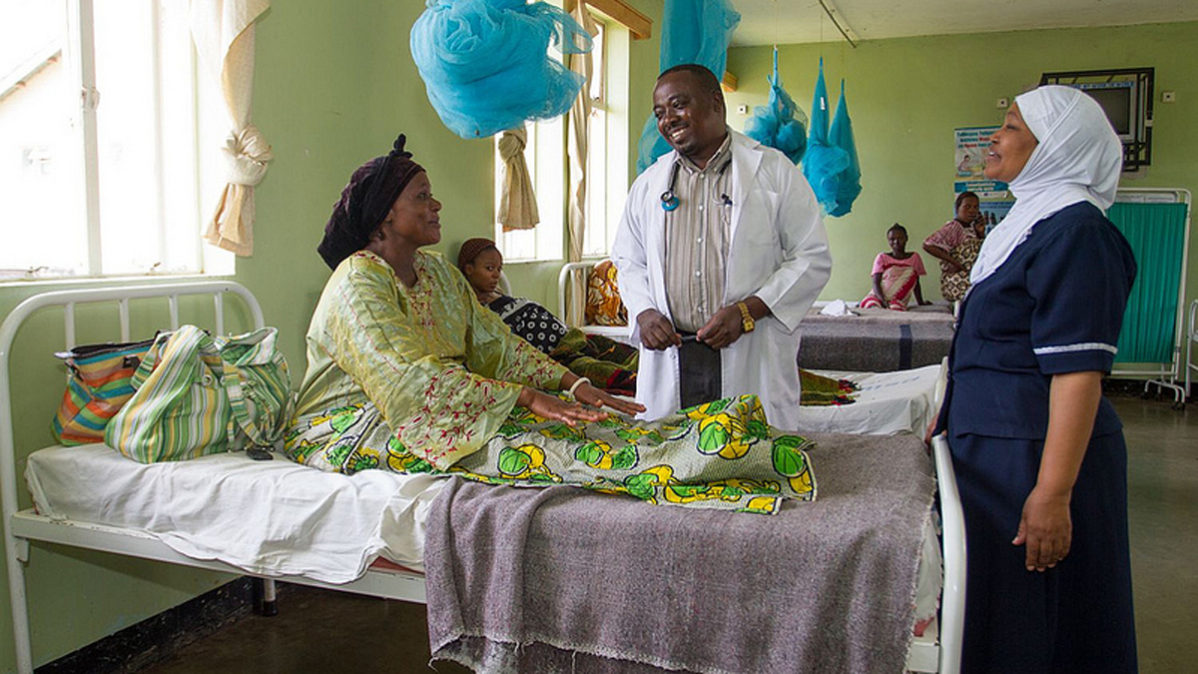
For Fatima Suleiman, a civil servant based in Abuja, her recent illness exposed a broken promise. Expecting her NHIA coverage to handle basic lab tests and consultations, she was instead billed over ₦15,000 at a public hospital.
“They told me the plan no longer covers the tests and drugs I needed,” Suleiman said. “I was shocked. What’s the point of insurance if I still have to pay everything myself?”
Her experience is becoming increasingly common across the country—from private hospitals in Lagos to public clinics in Kano—where patients with active insurance are being told to pay for essential services previously covered.
Health experts and hospital administrators say the root cause lies in outdated payment structures, delays in disbursement from Health Maintenance Organizations (HMOs), and surging inflation.
Despite a recent increase in NHIA payments—93% for capitation and 378% for fee-for-service rates—many hospitals say these adjustments are still far from sufficient. Clinics now face a stark choice: either absorb mounting losses or cut back on the services offered to insured patients.
READ ALSO: Katsina govt. enrols 700,000 vulnerable persons into health insurance scheme
“We used to accept over 10 HMOs, but now we only work with two,” said Dr. Ifeanyi Okey, who runs a private clinic in Benin. “Many of the others owe us for months, and the tariffs are from another era. How do we pay our doctors, nurses, and rent?”
“Some hospitals now say ‘insurance patients only on Tuesdays’ or restrict consultations,” said Dr. Ojo Sikiru, a public health physician in Lagos. “We’re now paying the price for a system that focused too much on enrollment, and not enough on sustainability.”
Even public hospitals are feeling the pinch. At one facility in Lagos, Matron Rosemary Daniel described constant pressure from patients expecting full services with their NHIA cards.
“People come in angry, expecting free care. But our pharmacy shelves are half empty, and we can’t run lab tests without diesel for power,” she said.
In some cases, hospitals treat emergencies and bill patients later, leading to tension and mistrust between patients and staff.
According to Dr. Lekan Ewenla, CEO of Ultimate Health HMO, another major issue is the low enrollee volume assigned to primary care providers.
Under NHIA guidelines, facilities should manage at least 2,500 enrollees to spread risk efficiently. But many clinics handle far fewer—sometimes just 1,400—making their monthly capitation payments of ₦1,450 per enrollee unsustainable.
“If just one out of 10 enrollees comes in sick, their treatment may wipe out the entire month’s budget,” Dr. Ewenla explained. “The model assumes a certain volume that simply isn’t being met.”
While recent increases in fee-for-service rates (from ₦241 to ₦700 per person) offer some relief, he warned that volume, not just payment size, remains key to sustainability.
Yet, many facilities report delays in access to funds, insufficient tariffs, and rising costs outpacing allocations.
Analysts warn that despite increased funding and reform rhetoric, the true challenge lies in the efficiency of fund usage, timely disbursement, and whether tariff adjustments reflect economic realities.
READ ALSO: Health Insurance Act will guarantee quality healthcare delivery—DG
With over 70% of Nigeria’s health expenditure still coming directly from people’s pockets, the weakening of NHIA’s functional coverage could reverse hard-earned progress in health financing.
Though the NHIA mandates employer and employee contributions—5% in the public sector and 15% in the organized private sector—experts argue that these numbers mean little if service quality continues to decline.
“If the system doesn’t prioritize sustainability—matching service expectations with realistic pricing and volume—it will break down completely,” Dr. Ojo warned.
As more hospitals quietly limit or reject insurance patients, and citizens like Fatima continue to face unexpected medical bills, Nigeria’s health insurance crisis is no longer silent—it’s unfolding in emergency rooms, waiting halls, and empty pharmacies across the country.


 Business1 week ago
 Latest1 week ago
 Latest1 week ago
 Crime1 week ago
 Latest1 week ago
 Latest6 days ago
 Latest1 week ago
 Crime7 days ago