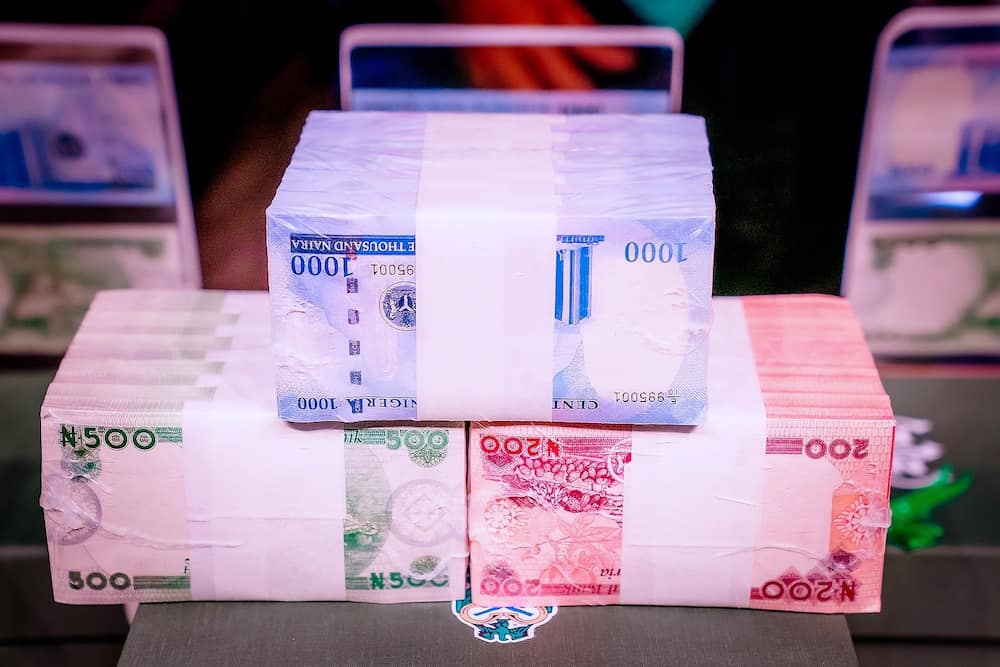
Nigeria has renewed its $2 billion (15 billion yuan) currency swap agreement with China, aiming to strengthen bilateral trade, investment ties, and reduce dependency on the US dollar for transactions.
This renewal was confirmed by the People’s Bank of China (PBoC) on Friday, as reported by Bloomberg.
The deal, initially signed in April 2018 and valid for three years, facilitates naira liquidity for Chinese businesses and yuan liquidity for Nigerian businesses.
This arrangement minimizes the need for dollar-based exchanges and promotes the use of local currencies in cross-border transactions.
China is Nigeria’s largest trading partner, surpassing the United States. In 2023, Nigeria imported $11.2 billion worth of goods and services from China, while exporting $2.4 billion in products, including crude oil and petroleum gas.
The total trade volume between the two nations reached $22.6 billion last year, reflecting a 33% annual growth rate, according to Nigerian Vice President Kashim Shettima.
READ ALSO: China opposes U.S. investment restrictions, warns of economic impact
Shettima highlighted the increasing trade ties during a November meeting in Abuja with a Chinese delegation led by Zhang Qingwei, Vice Chairman of the Standing Committee of the Chinese National People’s Congress.
The Vice President also emphasized China’s significant contributions to Nigeria’s development, particularly in renewable energy, smart city projects, and critical infrastructure.
Dr. Ngozi Adigwe, an economist and trade policy expert, noted: “The renewed currency swap agreement is a pragmatic step to ease forex challenges in Nigeria.
By reducing dollar dependence, businesses can save costs associated with currency conversions, enhancing trade efficiency between Nigeria and China.”
READ ALSO: Trump threatens to impose high tariffs on products from China, Mexico, Canada
Forex analyst Taiwo Akinyemi added: “This move could help stabilize Nigeria’s exchange rate in the medium term. However, its success depends on effective implementation and increasing the volume of naira-yuan transactions.”
The renewed agreement aligns Nigeria more closely with China at a time when global trade dynamics are shifting.
However, analysts caution that deepening ties with China could strain Nigeria’s relations with the United States, especially under the incoming presidency of Donald Trump.
Trump, set to be inaugurated in January 2025, has warned against backing currencies that challenge the dominance of the US dollar. He has threatened trade tariffs on BRICS nations if they support alternatives to the dollar, signaling potential friction for Nigeria, a key trading partner of both China and the US.
The currency swap renewal is expected to ease Nigeria’s forex scarcity and promote financial cooperation with China.
However, the broader implications for Nigeria’s global trade relationships remain uncertain as the world navigates shifting economic and geopolitical landscapes.


 Latest1 week ago
 Football7 days ago
 Business6 days ago
 Latest7 days ago
 Health1 week ago
 Latest6 days ago
 Latest6 days ago
 Latest1 week ago