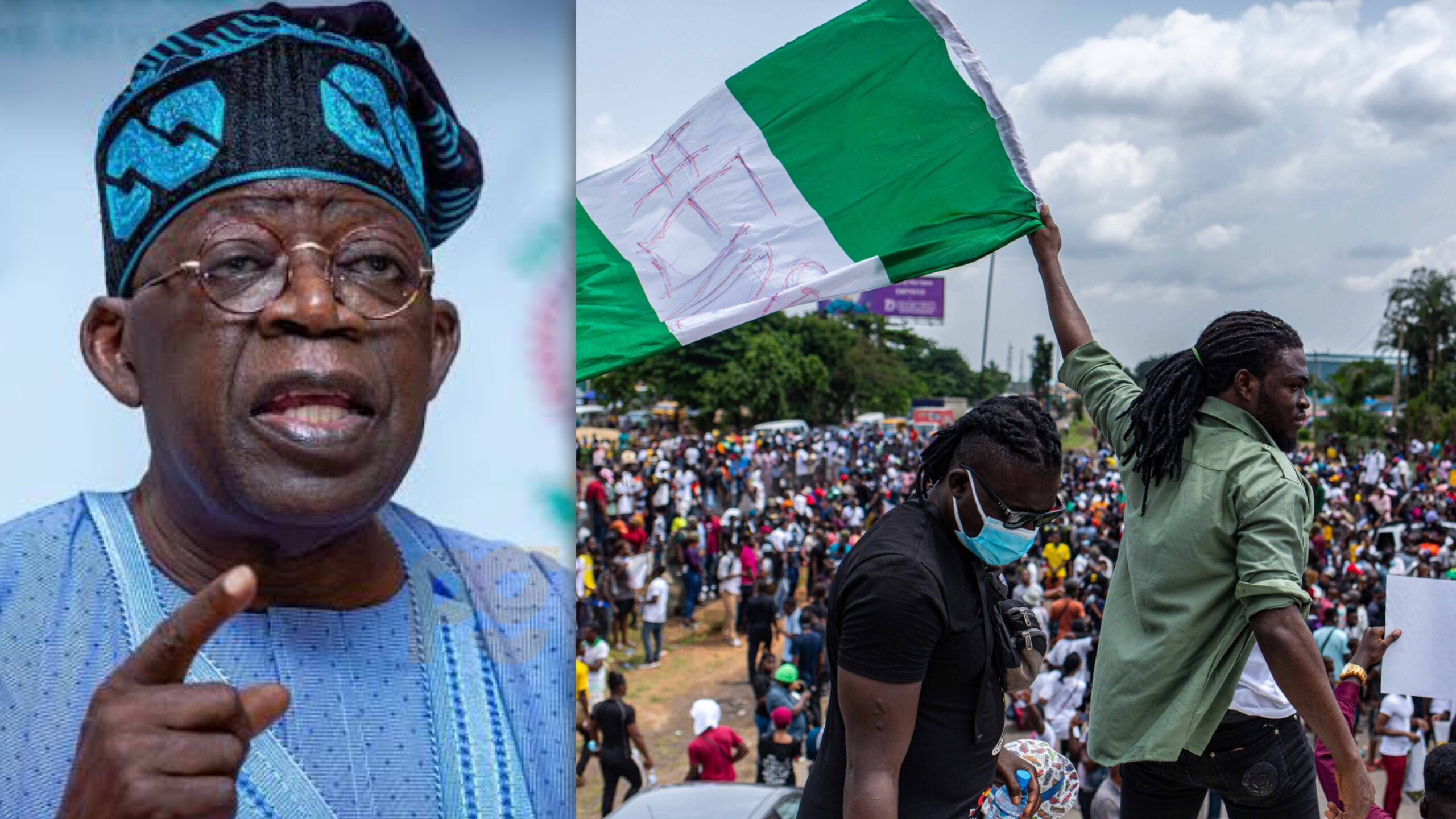
As Nigeria battles galloping inflation, soaring food prices, and widespread poverty, policy analysts and civic advocates are warning that any move to increase the salaries of elected politicians would send the wrong message to citizens already struggling to survive.
The debate comes at a time when ordinary Nigerians are groaning under the weight of economic hardship. According to the National Bureau of Statistics (NBS), food inflation has reached record highs, while unemployment and underemployment remain widespread.
Many households are forced to cut back on meals, with humanitarian agencies reporting an alarming rise in food insecurity across the country.
For millions of Nigerians, daily survival has become a battle. Staples such as rice, beans, garri, and bread have more than doubled in price within a year, while transportation costs remain high due to fuel subsidy removal and rising exchange rates.
“People can hardly afford two square meals a day, and yet the political class is contemplating increasing their salaries. It is both insensitive and provocative,” said Dr. Kehinde Ajayi, a public affairs analyst. “Leadership means sacrifice, especially in times like this.”
Civil society groups argue that the priority of the government should be relief measures for citizens, not perks for officeholders. The Nigeria Labour Congress (NLC) has consistently opposed salary increases for lawmakers, insisting that workers and pensioners deserve greater attention.
“If politicians think now is the right time to raise their pay, they are completely detached from reality,” said Comrade Ibrahim Yusuf, a labour activist. “Our hospitals are poorly funded, schools lack basic infrastructure, and workers’ salaries remain stagnant.”
Critics have also raised questions about the high cost of governance in Nigeria, which they argue drains resources that could otherwise be invested in infrastructure, healthcare, and social welfare.
“Nigeria operates one of the most expensive democracies in the world, and we are not getting value for it,” said Prof. Grace Ume, an economist. “Rather than talk about pay rises for politicians, government should be looking at cutting waste and reducing allowances.”
READ ALSO: Ekiti Govt alleges APC chieftains plot sponsored social media attacks against Oyebanji
Observers warn that any attempt to increase political salaries at this time could deepen public distrust in government. With elections looming in several states and national campaigns not far ahead, analysts say the move could fuel anger and further alienate the ruling class from the people.
“The optics are terrible,” said a former senator who requested anonymity. “If government wants to restore confidence, it must lead by example—tighten belts, show empathy, and demonstrate that sacrifice is shared.”
For now, Nigerians continue to demand policies that will bring immediate relief: price stabilization measures, job creation schemes, and stronger social protection programs.
Many believe that politicians must set the tone by shelving personal benefits and channeling resources into cushioning citizens against hardship.
“If they increase their salaries now, it means they don’t care about us. Let them first solve hunger, then we can talk about their pay.”



 Entertainment5 days ago
 Latest1 week ago
 Business1 week ago
 Aviation7 days ago

 Crime6 days ago
 Crime5 days ago
 Featured7 days ago