Nigeria’s fiscal and monetary policies appear to be working at cross purposes, with rising insecurity, political distractions, and inflationary pressures threatening to derail the Tinubu administration’s economic recovery agenda, according to a new assessment by Information From The Street (FTS).
FTS findings suggest that politicians are increasingly preoccupied with “politics of survival, propaganda, and power games,” leaving the economy vulnerable to shocks, rising social risks, and deepening public discontent.
At its inception two years ago, the Bola Tinubu administration launched several bold reforms aimed at stabilising the economy: removal of petrol subsidies, unification of exchange rates, and a new tax reform bill designed to broaden the tax base and reduce burdens on low-income earners.
While these policies contributed to modest gains—including GDP growth and stronger foreign reserves—fallouts such as higher fuel costs, sharp naira depreciation, and surging food prices have worsened living conditions.
READ ALSO: Tinubu’s ‘Infrastructure Equity’ report under fire for misleading regional allocations
Subsidy Savings and Political Spending
Analysts argue that much of the fiscal savings from subsidy removal has been diverted to states through FAAC allocations, with little evidence of new capital projects.
The high cost of governance and the extravagant lifestyles of some officials have also been criticised as contradicting austerity rhetoric.
“Two years to the end of the administration’s first term, politics seems to have taken the front burner at the expense of the economy,” one analyst observed.
Monetary Policy, Liquidity, and Banks’ Reluctance
Despite the Central Bank of Nigeria (CBN) holding its Monetary Policy Rate steady at 27.5%, excess liquidity in the financial system continues to build.
Banks’ borrowing from the CBN fell by 28.2% year-on-year to N2.9 trillion in August 2025 from N4.04 trillion a year earlier.
Broad money supply (M2) surged 15.8% year-on-year to N117.5 trillion as of June 2025.
Banks, instead of lending to the real sector, increased deposits with the CBN to N15.62 trillion in August 2025, nearly doubling from N8.12 trillion in 2024.
A retired banker linked this to widespread insecurity, supply chain disruptions, and weak purchasing power, arguing that banks prefer parking idle funds with the CBN to avoid high default risks in an unstable business environment.
Inflation, Insecurity, and Political Uncertainty
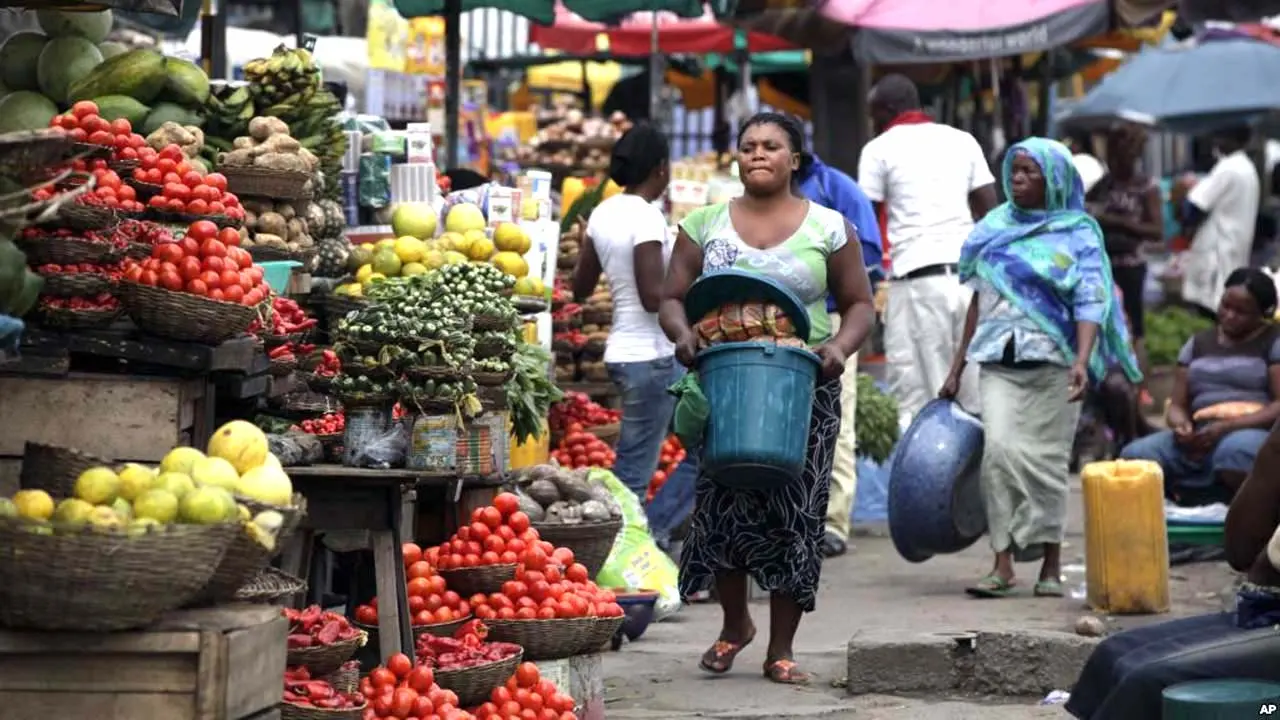
Nigeria’s inflation crisis, driven by food shortages, rising energy costs, and higher import prices, continues to squeeze households. Analysts warn that worsening insecurity will reduce farm output further, fueling food inflation.
Some also accuse politicians of prioritising electioneering for 2027 over governance, citing growing political coalitions, propaganda, and alleged ransom deals with bandits.
Friday Ameh, a Lagos-based analyst, cautioned: “It’s unfortunate that two years into an administration, governance has been jettisoned for politics. The most worrisome aspect is that even the president admits he is unaware of some developments. He must surround himself with competent aides, not sycophants.”
Another expert argued that excessive reliance on monetary tightening to control liquidity will fail without consistent fiscal policies and a robust security strategy:
“Resorting to food importation as a quick fix won’t stabilise the economy. What Nigeria needs is strong capital investment, agricultural reforms, and policy alignment.”
Mounting Risks Ahead
With politics overshadowing economic management and insecurity dampening investor confidence, analysts fear Nigeria risks prolonged inflation and stagnant growth.
“The country’s fiscal policy should be focused on growth, but what we see are early endorsements for 2027 elections, propaganda about paper achievements, and political coalitions—not serious efforts to rescue the economy,” one analyst concluded.


 Energy1 week ago
 Crime7 days ago
 Football1 week ago
 Football2 days ago
 Business1 week ago
 Crime7 days ago

 Business1 week ago