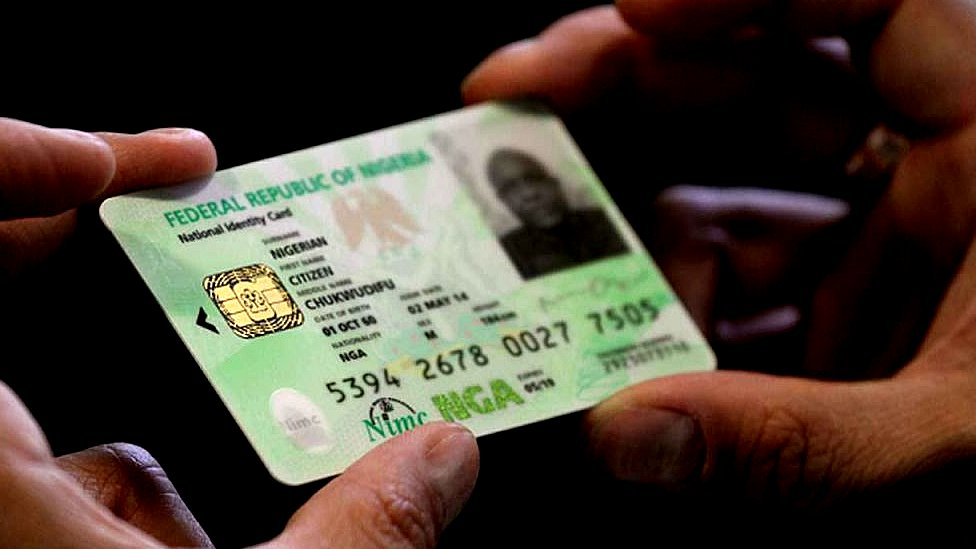
The National Identity Management Commission (NIMC) has issued a strong warning to Nigerians against sharing or selling their National Identification Number (NIN) for financial compensation, citing serious security and legal consequences.
This advisory follows the recent arrest of individuals in Anambra State who were caught unlawfully collecting NINs from residents in exchange for money.
The operation was carried out in partnership with the Department of State Services (DSS) and the Nigeria Police Force (NPF).
In a statement signed by Kayode Adegoke, Head of NIMC’s Corporate Communications Unit, the Commission stated that the suspects are currently being interrogated and will face prosecution under applicable laws.
Their actions, NIMC noted, violate several existing statutes, including the NIMC Act No. 23 of 2007, the Nigeria Data Protection Act, and the Cybercrimes (Prohibition, Prevention, etc.) Act.
“The Commission emphasizes that at no time should NIN holders give out their NINs for monetary compensation. This is against the laws of the Federation,” the statement read.
READ ALSO: NIMC warns against unauthorised websites for NIN services
NIMC clarified that only duly authorised government agencies and approved private sector entities are permitted to collect or verify NINs—and only for clearly defined purposes such as public service delivery or regulatory compliance.
The Commission urged residents of Anambra State and Nigerians at large to avoid submitting their NINs to unauthorised individuals, organisations, or platforms.
It stressed that the Federal Government has not endorsed any private initiative requesting NINs outside official channels, warning that violators would face sanctions.
NIMC also reminded the public about earlier warnings against entering personal information on unverified websites or social media pages posing as government platforms.
The Commission said it has implemented measures to clamp down on fraudsters collecting NINs for illicit purposes and encouraged citizens to report suspicious activities.
The NIN has become a crucial element in Nigeria’s digital identity ecosystem, increasingly integrated with banking, SIM registration, voter data, and tax identification. As such, any compromise of an individual’s NIN could expose them to identity theft, financial fraud, and other serious risks.
Security experts continue to warn Nigerians to treat their NIN with the same level of confidentiality as their bank account details or ATM PINs.
Exposing this sensitive information, they warn, could allow criminals to gain unauthorised access to victims’ financial accounts and commit various cybercrimes.


 Latest1 week ago
 Football1 week ago
 Business6 days ago
 Latest7 days ago
 Health1 week ago
 Latest6 days ago
 Latest6 days ago
 Latest1 week ago