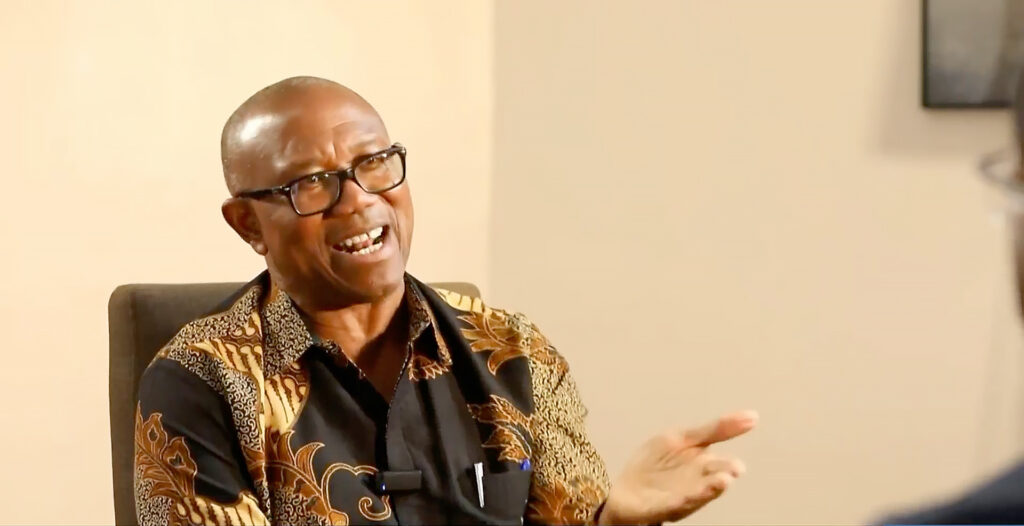
The one-term presidency vow by Peter Obi, the former Labour Party presidential candidate and a leading figure in the opposition coalition, is generating heated debate—especially among political stakeholders from Northern Nigeria.
Obi, who continues to maintain that he would serve only a single four-year term if elected President in 2027, reiterated his stance over the weekend. The former Anambra State governor declared:
“It is within this context that I reiterate my vow: I will serve only one term of four years if elected President. And that vow is sacrosanct.”
He acknowledged widespread public skepticism over politicians’ promises but stressed that trust must be restored through accountability.
“Even in this climate of cynicism, there are still a few whose actions have matched their words – whose integrity is built on verifiable precedent,” Obi added.
Baba-Ahmed: “Politicians Break Rules, Nigerians Must Interrogate Candidates”
Reacting to Obi’s renewed commitment, Dr. Hakeem Baba-Ahmed, a former Political Adviser to President Bola Tinubu, expressed caution. According to him, Nigerians should be wary of political promises and demand more specific plans from candidates as the 2027 elections approach.
“Politicians are breaking the rules… anything is possible in this country. I hope Nigerians will interrogate every candidate so they’ll be specific about what they want to do regarding security, cost of living, education, and healthcare,” Baba-Ahmed said.
He emphasized that while a four-year tenure is sufficient for real change, what matters more is the quality of leadership.
READ ALSO: Peter Obi: I never commissioned projects as governor, Focused on service over self-promotion
“If you come up with relevant ideas, pick a good team, and govern effectively without seeking to entrench yourself in power, then yes—four years is good enough.”
However, Anthony Sani, former Secretary General of the Arewa Consultative Forum (ACF), dismissed Obi’s pledge as politically motivated rather than principled. He argued that the North may not trust Obi to step down after one term, even if he promises to do so now.
“Peter Obi’s pledge is informed more by the politics of zoning than performance. Northerners may prefer Tinubu over Obi because Tinubu has only one constitutional term left, while Obi, if elected, is eligible for two terms,” Sani explained.
He further suggested that political pressure from Obi’s supporters or party could compel him to seek re-election, regardless of his current stance.
“Politics is about group interest and cohesion. The decision to re-contest may not rest with Obi alone. Northerners know this and may not trust that he will leave office after one term.”
Obi’s pledge is seen by many as a strategic move to gain broader national acceptance, particularly among Northern power blocs who insist the presidency should return to the region in 2031.
But the reactions it has sparked also reveal deeper distrust and political calculations that may define the run-up to the 2027 general elections.
As the race gathers momentum, both critics and supporters agree on one thing: Nigerians must demand transparency, clarity, and accountability from every contender.



 Football3 days ago
 Crime1 week ago
 Crime1 week ago

 Business1 week ago
 Latest1 week ago
 News1 week ago
 Crime4 days ago