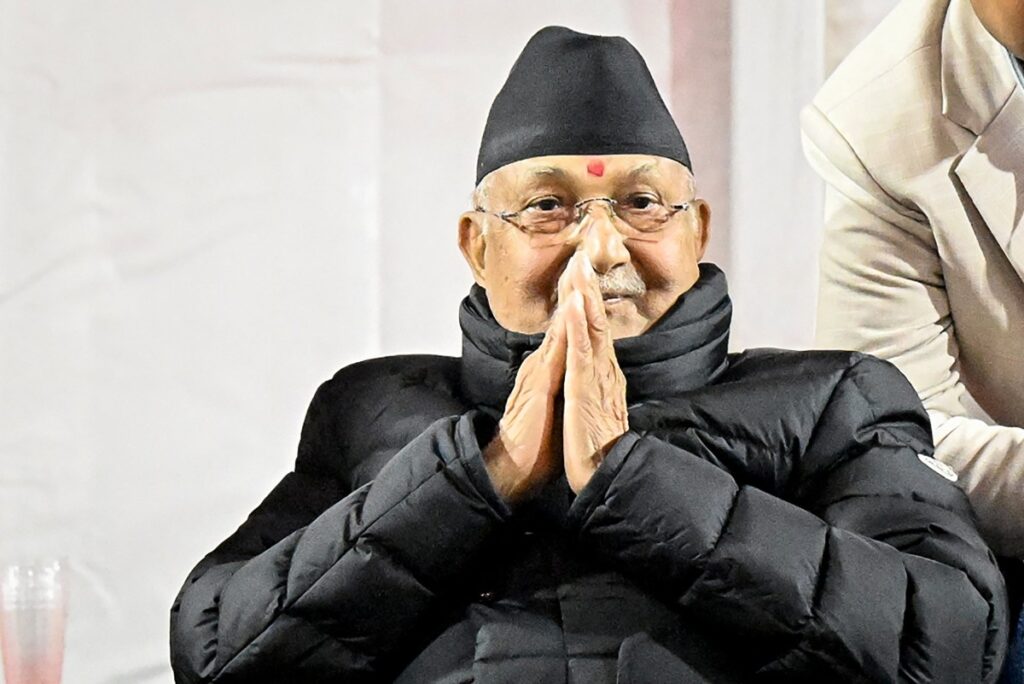
Four-time Nepali Prime Minister K.P. Sharma Oli is mounting a political comeback attempt in the country’s March elections, seeking to return to power after being ousted by mass youth-led protests that fundamentally reshaped Nepal’s political landscape.
Oli, a seasoned political operator who has dominated Nepali politics for years, faces his most challenging electoral battle yet as he confronts a new generation of leaders who emerged from the protest movement that forced his departure. The upcoming polls will test whether traditional political figures can regain relevance in a political environment transformed by demands for change and accountability.
The veteran politician’s previous tenure was marked by growing public frustration over governance issues, allegations of authoritarianism, and perceived failure to address the concerns of young Nepalis struggling with economic challenges and limited opportunities. The youth protests that ultimately toppled his government represented a watershed moment in Nepali politics, signaling widespread discontent with established political elites.
Oli’s campaign strategy appears focused on leveraging his experience and past achievements while attempting to distance himself from the controversies that led to his ouster. His party, the Communist Party of Nepal (Unified Marxist-Leninist), is banking on his name recognition and organizational strength to mobilize traditional support bases, particularly in rural areas.
However, the political landscape he now navigates is markedly different from previous elections. New political movements and younger candidates have gained traction by promising fresh approaches to governance, economic development, and social issues. These emerging leaders have successfully tapped into the aspirations of Nepal’s youth population, which comprises a significant portion of the electorate.
ALSO READ: US lawmakers vote to rescind Trump tariffs on Canada
The March elections represent more than a contest between individual candidates; they embody a broader struggle over Nepal’s political direction. The outcome will determine whether voters are willing to give established figures like Oli another chance or if they will embrace the new generation of leaders promising systemic change.
Opinion polls and political analysts suggest the race will be highly competitive, with neither camp holding a decisive advantage. Oli’s decades of political experience and extensive party machinery could prove valuable, but the momentum appears to be with younger, reform-minded candidates who can credibly claim to represent a break from the past.
The election campaign has already generated intense debate about governance, corruption, economic management, and Nepal’s foreign policy orientation. Oli’s critics have highlighted his controversial decisions during previous terms, including his handling of relations with neighboring India and China, as well as domestic policy choices that sparked public backlash.
Supporters of the former prime minister argue that his experience and international connections make him best positioned to navigate Nepal’s complex geopolitical situation and deliver economic development. They point to infrastructure projects and diplomatic initiatives during his tenure as evidence of his capabilities.
The youth-led opposition has countered that experience alone is insufficient if it comes with baggage of past failures and resistance to reform. They argue that Nepal needs leaders who understand contemporary challenges and are committed to transparency, accountability, and inclusive governance.
As the March elections approach, all eyes are on whether K.P. Sharma Oli can overcome the forces that removed him from power and convince Nepali voters to entrust him with leadership once again, or whether this election will mark the definitive rise of a new political generation in Nepal.



 Crime1 week ago
 Football1 week ago
 Football1 week ago
 Business1 week ago

 Football1 week ago
 Football1 week ago
 Business1 week ago