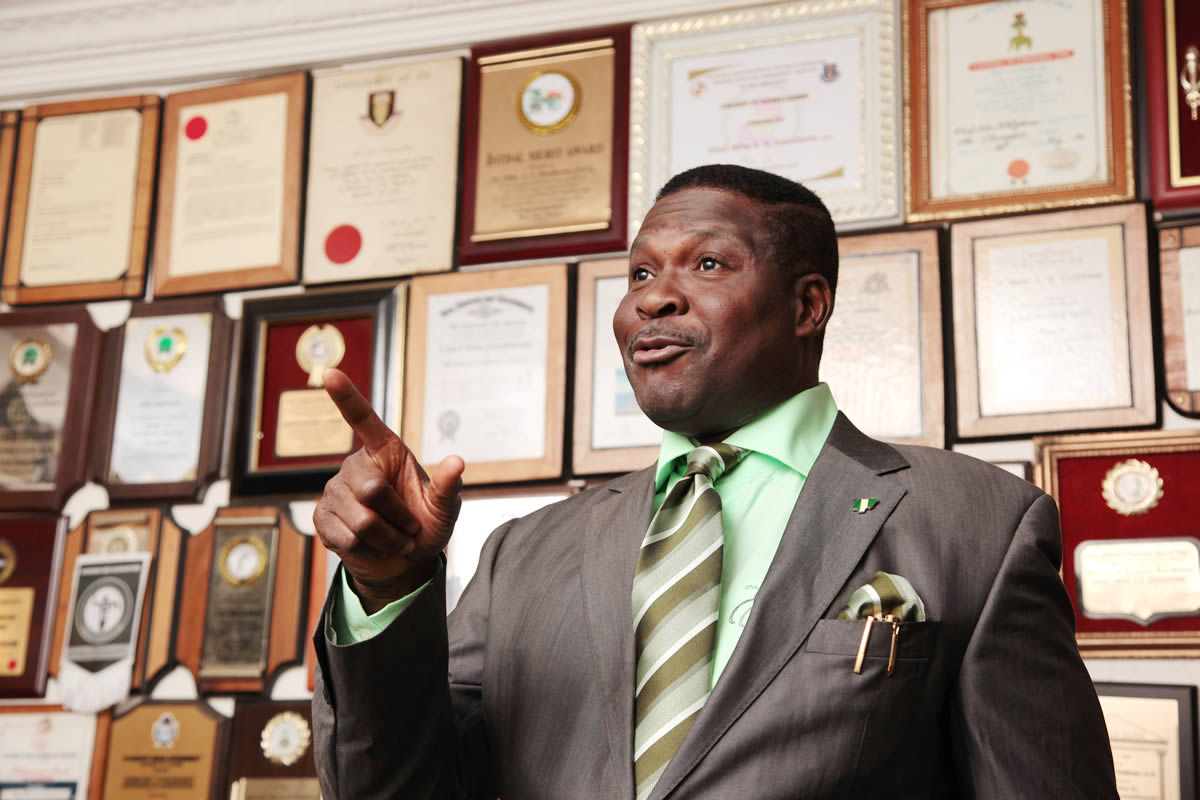
Senior Advocate of Nigeria, Mike Ozekhome, has strongly criticized the House of Representatives Committee on the Review of the 1999 Constitution for proposing the creation of 31 additional states, calling the move “wasteful” and “needless.”
Ozekhome, in a statement shared on Saturday, urged lawmakers to instead prioritize making at least two-thirds of the existing states economically viable before considering state expansion.
During a plenary session on Thursday in Abuja, Deputy Speaker of the House of Representatives, Benjamin Kalu, read a letter from the committee proposing the creation of new states to address demands for greater representation, economic viability, and regional balance.
“The committee proposes the creation of 31 new states. As amended, this section outlines specific requirements that must be fulfilled to initiate the process of state creation,” the letter stated.
The proposed states include: North Central: Okun, Okura, and Confluence (Kogi); Benue Ala and Apa (Benue); FCT State.
North East: Amana (Adamawa); Katagum (Bauchi); Savannah (Borno); and Muri (Taraba).
READ ALSO: Obasanjo, Jonathan attend 67th birthday of Mike Ozekhome
North West: New Kaduna and Gurara (Kaduna); Tiga and Ari (Kano); Kainji (Kebbi).
South East: Etiti and Orashi (as the 6th state in the South East); Adada (Enugu); Orlu (Imo); and Aba (Abia).
South-South: Ogoja (Cross River); Warri (Delta); Ori and Obolo (Rivers).
South West: Torumbe (Ondo); Ibadan (Oyo); Lagoon (Lagos); Ijebu (Ogun); Oke-Ogun/Ijesha (Oyo/Ogun/Osun).
In a statement titled “NASS Proposal for 31 Additional States – A Wasteful Venture,” Ozekhome dismissed the proposal as a distraction from more pressing national challenges.
“How can they be talking about creating 31 additional states when over two-thirds of the existing states are unviable entities, surviving on life support and relying on federal allocations under Section 162 of the 1999 Constitution?” Ozekhome questioned.
He further criticized the focus on new states at a time when Nigeria faces economic hardship, rising hunger, and widespread poverty.
“How can we be discussing the stringent provisions of Section 8 of the 1999 Constitution for a meaningless exercise that adds no value to a nation gasping for existential breath?”
According to Ozekhome, Nigeria only needs two key reforms: The creation of one additional state in the South East to bring parity with other regions.
He urged lawmakers to abandon what he described as a “provocative” venture and instead focus on addressing Nigeria’s socio-political and economic challenges.
The proposal for new states has long been a contentious issue in Nigeria. Proponents argue that it will enhance governance, accelerate development, and bring government closer to the people.
However, critics caution that additional states could strain federal resources and lead to higher administrative costs.
Political analyst Dr. Ifeanyi Ogbonna warned that Nigeria’s revenue base may not support more states.
“The federal government already distributes allocations to 36 states, many of which struggle with internally generated revenue. Adding 31 new states will only increase dependence on Abuja without guaranteeing economic self-sufficiency,” he said.
If approved, this restructuring would mark the most significant political shift since Nigeria’s last state creation exercise in 1996, which increased the number of states from 30 to 36.
Amid growing debate, Akin Rotimi Jr., Spokesman of the House of Representatives, clarified on February 6, 2025, that these proposals were submitted as private member bills and do not represent the official stance of the House.
He emphasized that the committee will align with constitutional provisions and will only consider proposals that meet stipulated guidelines.
Additionally, he reaffirmed the House’s commitment to a transparent and inclusive constitutional review process that reflects the will of the Nigerian people.


 Latest1 week ago
 Latest1 week ago
 Football7 days ago
 Football7 days ago
 Football7 days ago
 Business1 week ago
 Football7 days ago
 Business7 days ago