

Connect with us

Crime

Police extortion in Lagos: Are recent reforms making any difference?

Published

on

How policemen abducted me, stole N4.5m, and left me in Owerri - man narrate ordeal
Spread The News

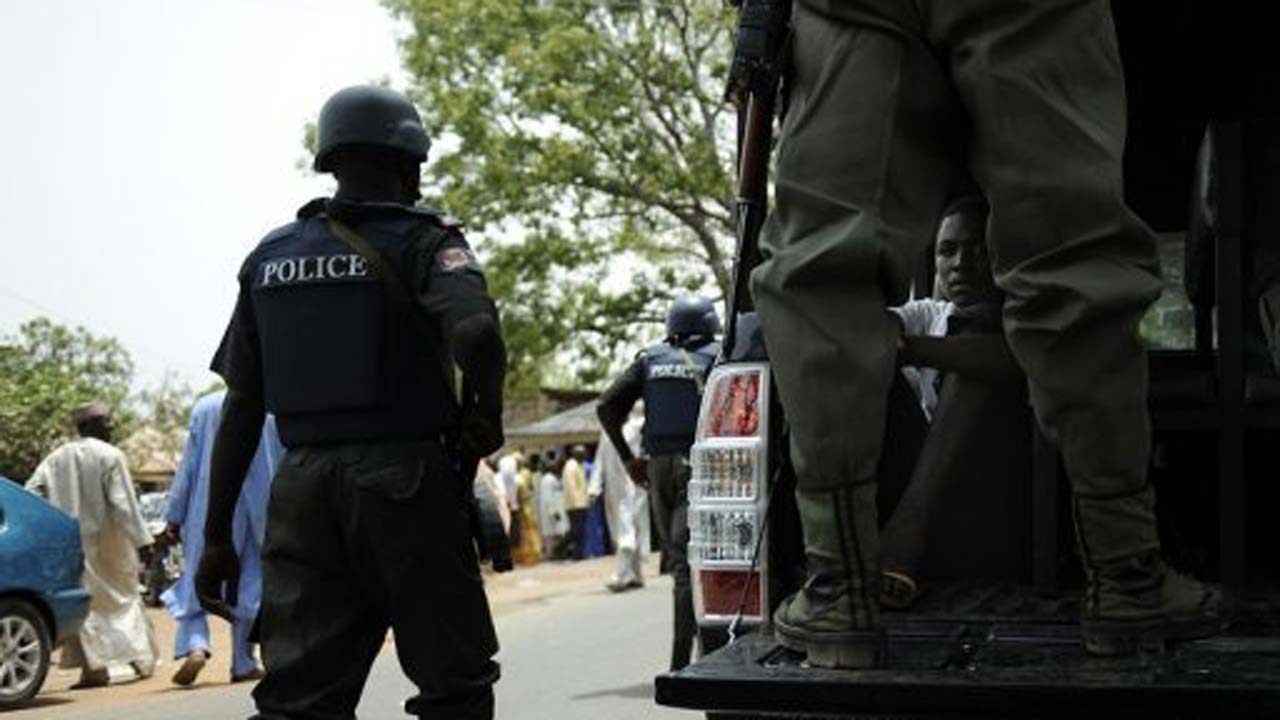
Every day, thousands of Nigerians leave their homes not just to beat traffic but to dodge something more insidious: police extortion. From roadside checkpoints to illegal arrests, the demand for “something for the boys” has become a near-daily ritual — a bitter tax on survival.

Despite recent reforms and public declarations of a rebranded Nigerian Police

Force, citizens continue to question: Are things really getting better? Or is extortion simply evolving in new forms?

Take the experience of Tunde Akinyemi, a 27-year-old software developer, who was stopped in Ikorodu while heading home from work.

“They asked for my ID, checked my phone without a warrant, then said I looked like a ‘Yahoo boy,’” he recalls. “I had to transfer ₦200,000 before they let me go. They didn’t write anything down. No station. Nothing.”

Cases like Tunde’s are not isolated. A growing number of young professionals, particularly those carrying laptops or driving decent cars, report similar run-ins. The targets are often male, under 35, and assumed to be “internet fraudsters” — a profile that has become both a justification and a business model for harassment.

Post-#EndSARS Promises and Present Realities

Following the #EndSARS protests of October 2020 — a nationwide uprising against police brutality — the federal government and police leadership promised sweeping reforms:

  • The disbandment of SARS

  • Creation of human rights desks at stations

  • New community policing models

  • Training in human rights and professionalism

But four years later, civil society groups argue that many of these promises remain largely cosmetic.

“What we’re seeing is rebranding, not reform,” says Adebayo Aluko, a legal officer with Behind Bars Human Rights Foundation. “SARS may be gone in name, but the mindset persists — same tactics, different uniforms.”

Grassroots Pushback

Organizations like Behind Bars Human Rights Foundation, whose Lagos Mainland coordinator Emmanuel Mike has helped recover millions of naira extorted at gunpoint, are documenting cases and intervening in real time.

“We’ve retrieved hundreds of millions of naira for victims,” Emmanuel says. “But it shouldn’t take activism to stop what’s illegal in the first place. Some officers see extortion as part of their salary.”

The foundation has recorded over 70 cases of police extortion in Lagos alone since January 2025, with most victims too afraid or exhausted to pursue justice.

In response to mounting pressure, Lagos State Police Command insists it is taking action. In April, several officers were dismissed for professional misconduct, and disciplinary hearings were held in Ikeja and Surulere divisions.

ALSO READ: Police detain 3 officers for alleged extortion of content creator

“We have zero tolerance for corruption,” said a police spokesperson. “We encourage citizens to report extortion, and we assure them of protection.”

However, critics say the internal disciplinary process lacks transparency and rarely results in prosecution.

Surveys by SBM Intelligence show that nearly 7 in 10 Lagos residents have paid a bribe to the police in the past 12 months. Many do so out of fear of being detained, brutalized, or falsely accused.

“Even when you’re innocent, the process can break you,” says Chinedu, a Bolt driver who paid ₦50,000 to avoid having his car seized over nonexistent documents. “You either pay or sleep in a cell.”

The silence of many victims, experts say, is part resignation and part self-defense — the belief that reporting police abuse could make one a target.

Is There Hope?

Despite these challenges, some positive signs are emerging:

  • The Lagos State Public Complaints Commission has increased its public engagement.

  • Human rights lawyers are offering free legal aid through mobile legal clinics.

  • A few officers have taken to social media to educate citizens on their rights — a move applauded by reform advocates.

Still, observers warn that unless extortion is punished publicly and consistently, trust in the police will continue to erode.

Conclusion: A Long Road Ahead

Police extortion in Lagos is more than an ethical issue — it’s a structural and cultural crisis. Until reforms are implemented at the grassroots level, with transparency, accountability, and citizen oversight, the “boys” at the checkpoint will remain above the law.

For now, many Lagosians will keep one eye on the road and the other on their wallet — hoping that the promise of reform is more than just another checkpoint in Nigeria’s long journey toward justice.

Continue Reading
Advertisement
Click to comment

Leave a Reply

Your email address will not be published.

Trending