IN a historic democratic landslide, Saudi Arabian women, long disenfranchised from participating in electoral processes in the theocratic kingdom, are today celebrating the birth of a new dawn. What seemed impossible a year ago has now become a momentous event and the triumph of the suffragette movement, championed by the iconic British feminists, Emmeline Pankhurst, Christabel and Sylvia, her daughters, of blessed memory.
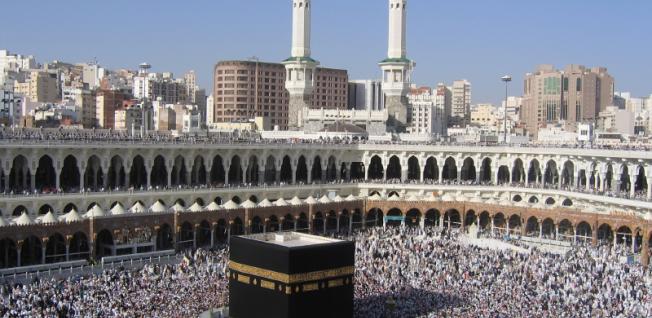
We have to thank the vision of late King Abdullah, who, in 2011 ordered the participation of women in democratic processes as a way to forestall the avalanche of Arab Spring then blowing across Middle Eastern countries. Beyond the euphoria of empowering women to participate in democratic politics, the theocratic Saudi Arabian Kingdom, famous for its yearly global Mecca pilgrimage among Muslims, has been a graveyard of sorts where women were repressed and their rights denied just because they belong to the female gender.
From a remote period of antiquity, Saudi Arabian women including other women in some Islamic theocracies, have not been allowed to exercise their franchise let alone participate in the government of their motherland. The Saudi women have been subjected to be passive observers and conditioned to accept the indignities of patriarchy as the divine order of things. Worse still, the Saudi women have not been allowed to drive cars. They have been watching men as though they are second class citizens. Even though the ban on women driver remains in force, the coast is now clear for Saudi women not only to vote at elections but also to be voted for as councillors in the municipal elections as the whole world witnessed in the last Saturday’s democratic exercise.
Though the elected 17 women councillors would only serve as advisers to both local government and the budget offices, at least, a roadmap has been given that would encourage greater empowerment in future elections. Only 1.32 million men and 130,000 women out of a population of 20 million voted figures that highlight the unfamiliarity of the democratic process of election in the absolute monarchy. No matter how insignificant are their political roles, we have to hail this small beginning as the sure harbinger of a greater future role for the enfranchised women of the Saudi kingdom. What was regarded as impossible yesterday is today being celebrated with euphoria all across Saudi Arabia. Having said that, the remaining theocracies where women are still under severe repressions should now wake up and smell the coffee.
We are now participants in a brave new world where democratic principles are the preferred system of governance for most of the free world. The United States, Europe, Africans, the Caribbean and a few nations in the Middle East have been enjoying the dividends of democracy for decades in terms of freedom and liberty in female participation in electoral processes and equal rights for all citizens regardless of gender.
What we have just witnessed in Saudi Arabia is nothing short of a political challenge to other Islamic theocracies the world over to take a cue from the courage of Saudi Arabia and unbind their women from centuries of servitude to Sharia laws and their attendant discrimination against their humanity.
Now the political task and focus for the free world is to channel their resources and energies into supporting and ensuring that women’s rights are sustained in Saudi Arabia. Henceforth, there must not be any relapse into repression or withdrawal of democratic rights from among women in that kingdom. It is a shame that in spite of Saudi Arabian rich historical civilization, oil wealth and friendship with other democratic countries of the world, it has been allowed to keep its women under severe restrictions and disenfranchisement for so long while its most important partner, the US, looks the other way. This scandalous arrangement was encouraged because of US strategic interest in Saudi oil and its massive defence contract with the conservative kingdom.
This paper applauds the belated voting rights extended to women of the Saudi Kingdom and it is our hope that this new development will benefit the Islamic nation. In any society, where many women, by reason of their intellectual abilities and superior intuitive capacities, excel where men fail, and where women elsewhere have made and are making sterling contributions to socio-economic development, their exclusion either from politics, business, academia, social participation or any other pursuit is a crime against humanity and a calculated breach of women’s fundamental human rights as citizens of a free world. It is also our hope that other barriers, like the ban on Saudi women driving vehicles, will soon be a relic of a bygone era in a nation that is now ready to accept democracy as the government of the people, by the people and for the people.








 Latest1 week ago
 Latest6 days ago
 Crime1 week ago
 Business1 week ago
 Latest6 days ago
 Crime1 week ago
 Football6 days ago
 Business1 week ago