The long-standing call for the establishment of state police in Nigeria gained renewed momentum over the weekend as major socio-cultural organisations—Afenifere, Ohanaeze Ndigbo Worldwide, and the Arewa Youth Consultative Forum (AYCF)—publicly endorsed the proposal, citing the country’s worsening security challenges.
For decades, the idea of state policing has generated intense national debate, with proponents arguing that Nigeria’s centralised police system is overstretched and ineffective, while critics warn of potential abuse and politicisation by state governors.
The debate resurfaced prominently on February 15, 2024, when President Bola Tinubu met with state governors in Abuja to deliberate extensively on the feasibility of establishing state police.
While the meeting raised hopes among many Nigerians who believe decentralised policing could help curb insecurity, some stakeholders expressed reservations, arguing that the country may not yet be prepared for such a system.
At the heart of the concerns is the fear that governors could misuse state-controlled police forces for political intimidation, especially during elections.
However, advocates counter that the Nigeria Police Force, in its current centralised form, lacks the manpower, resources, and local intelligence capacity to effectively police a population of over 230 million people across diverse and challenging terrains.
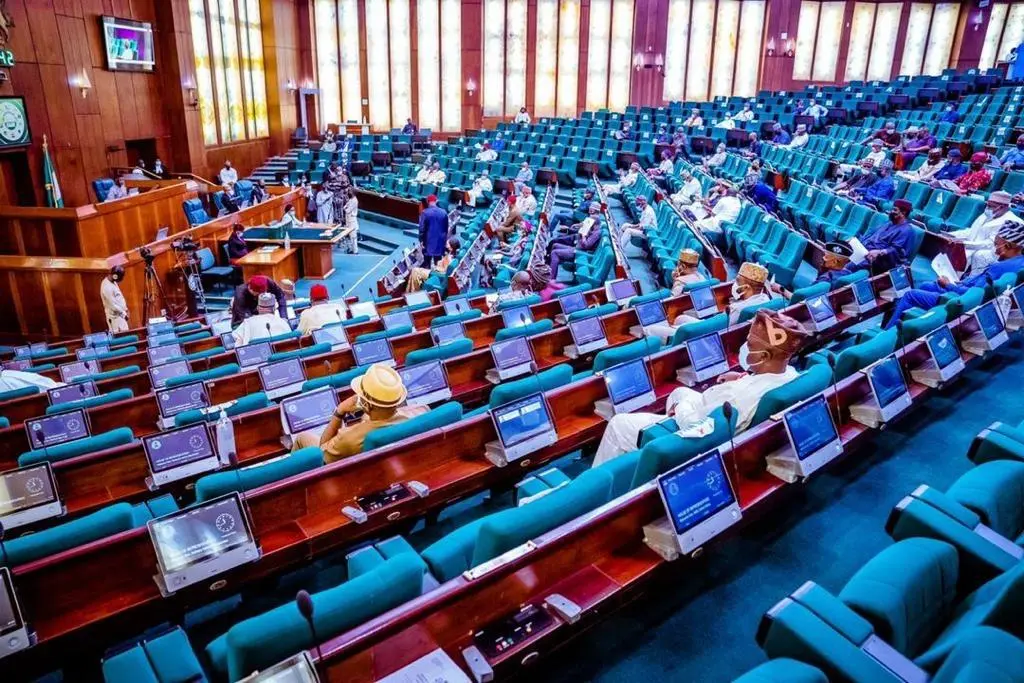
Reports indicate that the State Police Constitution Alteration Bill, currently before the National Assembly, is among the 44 harmonised constitutional amendment bills now ready for consideration and voting by both the Senate and the House of Representatives.
The two chambers are expected to vote on the bills this week, after which they will be transmitted to state Houses of Assembly for approval.
In separate interviews, Afenifere, Ohanaeze Ndigbo, and the Arewa Youth Consultative Forum expressed optimism that state police would significantly improve security and help address Nigeria’s decade-long struggles with banditry, terrorism, and violent crime.
The pan-Yoruba socio-political organisation, Afenifere, strongly backed the creation of state police, describing Nigeria as “ripe enough” for the reform.
Speaking on the issue, Afenifere’s National Publicity Secretary, Comrade Jare Ajayi, dismissed fears of abuse by governors as insufficient grounds to oppose the initiative.
According to him, governors cannot effectively perform their roles as chief security officers of their states without having some level of control over security apparatus.
Ajayi, however, advised that strong legal safeguards should be built into the state police law to prevent abuse or politicisation. He stressed that appropriate clauses must be included to restrain governors from using state police for partisan purposes.
Beyond policing reforms, Afenifere also called on the Federal Government to intensify efforts to identify and prosecute sponsors of terrorism and banditry.
Ajayi argued that insecurity in Nigeria has reached alarming levels largely because those perpetrating violence are allegedly backed by influential individuals.
Ohanaeze Ndigbo Worldwide also supported the establishment of state police but raised serious concerns about potential political misuse.
Mazi Okechukwu Isiguzoro, factional Deputy President General of Ohanaeze, said the rising wave of killings and violent attacks across the country makes state policing inevitable.
However, he warned that without comprehensive police reforms and strong constitutional safeguards, some governors—particularly in the North—could exploit state police for electoral manipulation.
Isiguzoro argued that the tendency of some governors to undermine local government autonomy, despite Supreme Court rulings, reflects a troubling pattern of governance that could extend to the misuse of state police powers.
The Arewa Youth Consultative Forum (AYCF) also endorsed state police, describing it as a practical solution to Nigeria’s region-specific security challenges.
In an exclusive interview, AYCF President, Alhaji Shettima Yerima, said insurgency in the North-East, banditry in the North-West, and communal clashes in the Middle Belt require tailored responses that a centralised police force often struggles to deliver.
According to him, state police would enable localised security strategies, allowing officers—who are familiar with local cultures, languages, and dynamics—to respond more effectively to threats.
He added that community-based policing would strengthen trust between citizens and law enforcement, encouraging cooperation and timely intelligence sharing.
While acknowledging concerns about potential abuse by governors, the AYCF president stressed that such risks could be mitigated through robust accountability and oversight mechanisms.
He called for clear regulations governing recruitment, training, and operations, as well as the establishment of independent oversight bodies to monitor state police activities.



 Latest7 days ago
 Football6 days ago
 Business5 days ago
 Football1 week ago
 Football1 week ago
 Football1 week ago
 Health6 days ago
 Latest6 days ago