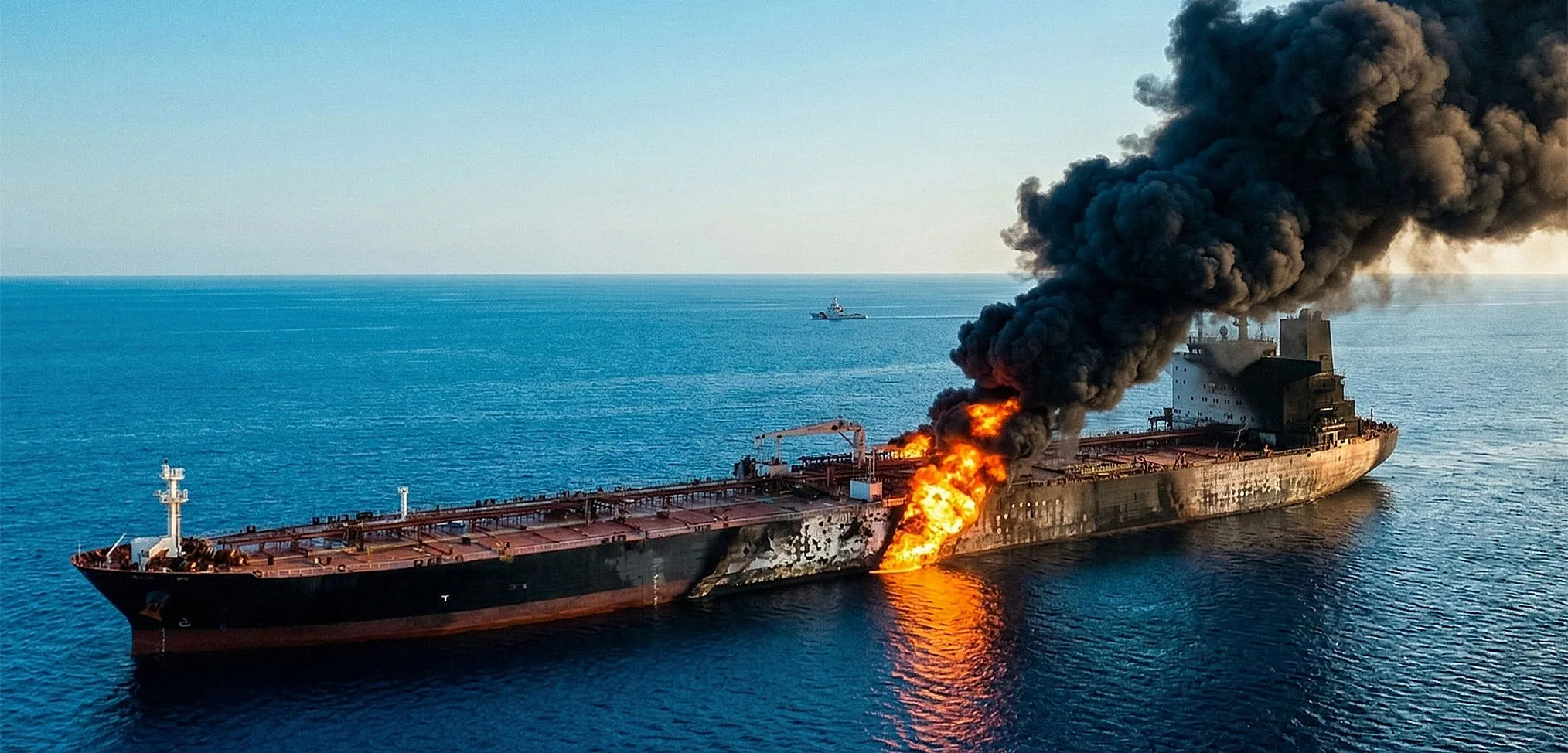
Importers across the Gulf region are scrambling to secure alternative supply routes after the effective closure of the Strait of Hormuz halted commercial shipping to several ports in one of the world’s most import-dependent regions.
According to a Reuters report on Monday, businesses reliant on shipments of food, medicines and industrial materials are now exploring costly overland routes as cargo vessels are stranded or forced to divert away from the chokepoint.
The disruption follows the escalation of the United States–Israeli war with Iran, which has brought navigation through the strategic passage to a near standstill. The waterway normally serves as a critical artery for both oil exports and essential imports to Gulf states.
The blockade has severely disrupted oil shipments from Gulf producers, sending shockwaves through global energy markets. Roughly one-fifth of the world’s oil supply typically passes through the strait, making any interruption a major international concern.
The crisis has forced governments and logistics firms to rapidly redesign supply chains to maintain the flow of essential goods. Shipping companies are racing to reroute vessels, shift cargo to alternative ports and arrange land transportation — all while trying to prevent spoilage of perishable products.
“The price of supplies will go up quite dramatically,” said Ronan Boudet, head of container research at data analytics firm Kpler.
“Trucking from any port to Dubai would probably be multiple times the price of ocean freight,” he added.
Data from Kpler indicates that 81 container ships were en route to ports inside the strait on February 28, just before hostilities intensified. Since then, 43 vessels have been redirected to alternative Gulf ports, while the remainder have been diverted away from the region entirely.
READ ALSO: EU leaders scramble over soaring energy prices as Iran war sends oil to four-year high
Because of the Gulf’s harsh desert climate, most food is imported — with an estimated 70 percent of supplies passing through the strait en route to major hubs such as Jebel Ali Port in Dubai.
Food shipments are particularly vulnerable to delays, raising concerns about shortages and price spikes.
Christophe Belloc of the French fruit and vegetable association Interfel highlighted the plight of exporters caught in the crisis. Approximately 5,000 metric tons of French apples destined for Dubai are currently stranded in transit.
The cargo incurred a €900,000 (about $1 million) maritime surcharge in the early days of the conflict. Exporters, including Belloc’s company Blue Whale, are now attempting to reroute shipments to alternative destinations.
As the conflict enters its third week, U.S. President Donald Trump has urged countries heavily dependent on Gulf oil to take responsibility for safeguarding the waterway.
However, Japan and Australia have indicated they are not planning military involvement and are closely monitoring developments instead.
Meanwhile, France and Italy are reportedly engaging Iran diplomatically in an effort to secure guarantees for the safe passage of their commercial vessels.
Commercial traffic in the Gulf and along the narrow strait has slowed to a crawl since the conflict erupted on February 28, pushing global oil prices to their highest levels since 2022.
The ripple effects are already being felt worldwide, with consumers facing rising fuel costs and businesses bracing for broader inflationary pressures.
Beyond economic concerns, the escalating conflict is also heightening fears about maritime safety and regional stability, underscoring the strategic importance of the Strait of Hormuz to the global economy.
As uncertainty persists, Gulf nations and international partners are urgently seeking solutions to prevent prolonged disruptions to both energy supplies and essential imports.



 Football6 days ago
 Business5 days ago
 Latest4 days ago
 Business5 days ago
 Crime1 week ago
 Business6 days ago
 Football1 week ago
 Business1 week ago