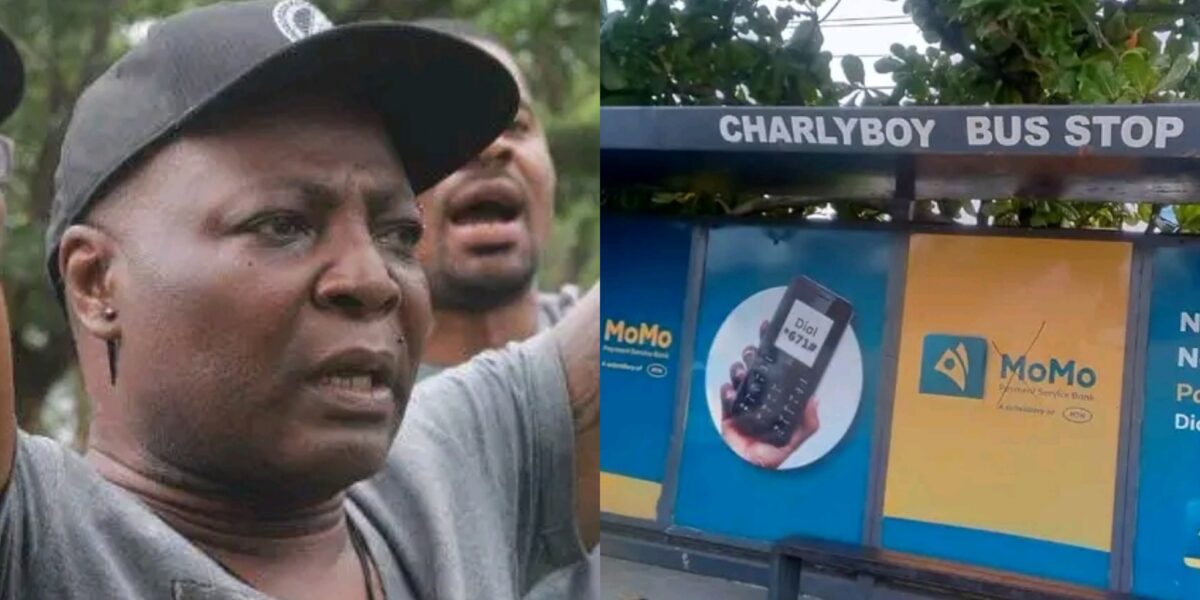
The recent renaming of the iconic Charly Boy Bus Stop to “Baddo Bus Stop” in Lagos by Hon. Kolade Alabi David, the outgoing Chairman of Bariga Local Council Development Area (LCDA), has drawn sharp criticism, sparking a wider national debate over what some have described as an alarming trend of cultural erasure and ethnic exclusion.
The move, which was intended to honour Nigerian music star Olamide and others, has been met with strong disapproval from various quarters, with legal expert and former Chairman of the Nigerian Bar Association (NBA) Ikeja Branch, Dr. Monday Onyekachi Ubani (SAN), warning that such actions represent a deeper and disturbing pattern of silent historical revisionism in the state.
In a strongly worded opinion, Dr. Ubani lamented the gradual disappearance of street names and landmarks associated with non-Yoruba individuals in Lagos.
He argued that this trend undermines the cosmopolitan and inclusive identity that Lagos has long represented as Nigeria’s commercial capital and melting pot of cultures.
“Renaming Charly Boy Bus Stop may seem harmless or even commendable to admirers of Olamide’s musical influence. But beneath this decision lies a pattern that deserves national reflection — the systematic sidelining of names reflecting the heritage of non-Yoruba residents, especially the Igbo community,” he said.
Dr. Ubani cautioned that such policies — often undertaken without public engagement or clear policy rationale — send the wrong signals, not only to residents but to the broader Nigerian public and international observers.
“Was the original name illegally imposed? Were the names not approved by the same government institutions that are now replacing them without due process? These acts raise serious questions about governance, transparency, and respect for Nigeria’s multi-ethnic character,” he queried.
He warned that in a nation already plagued by ethnic tensions, insecurity, and economic instability, actions that deepen tribal divisions must be swiftly addressed.
“Public policy must never be used as a weapon of exclusion. Lagos belongs to all Nigerians — Igbo, Hausa, Yoruba, and others. Naming or renaming public spaces should not become an instrument of ethnic cleansing or cultural rewriting,” he said.
Dr. Ubani, who has lived in Lagos since the 1980s and established his legal career in the state, said he speaks not only as a concerned Igbo Nigerian but also as someone who has benefited from the inclusive spirit that Lagos once proudly embodied.
READ ALSO: Lagos rent crisis: Why middle-class tenants are fleeing the city
“The Lagos I have known and loved welcomed all Nigerians. It was not a city where your ethnic origin defined your access to opportunities or recognition. Unfortunately, the current wave of renaming appears to betray that legacy,” he stated.
He emphasized that the Yoruba people have historically been known for their education, inclusiveness, and political maturity, and called on leaders at the local government level to reflect these values in their policies.
“Renaming a landmark after one entertainer while erasing another — particularly one whose name carries historic or emotional weight — is a subtle but dangerous move. It sends a message of exclusion and hostility toward coexistence.”
Dr. Ubani urged the Lagos State Government and the Ministry of Local Government and Chieftaincy Affairs to clarify the criteria behind such renaming efforts. He called for public hearings and active community involvement in decisions that affect collective memory and identity.
“Were residents consulted? Was any public notice given? If not, then these renaming actions lack democratic legitimacy. We must insist on openness, inclusiveness, and fairness,” he argued.
Concluding his appeal, Dr. Ubani warned that failure to address the ethnic implications of these policies could erode the fragile gains Nigeria has made in fostering national unity.
“Let us not allow narrow ethnic sentiments to undermine the rich diversity that gives Nigeria its strength. The greatness of Lagos — and indeed the entire nation — lies in peaceful coexistence, mutual respect, and shared ownership,” he said.
Calling for an immediate halt to what he termed “aggravated and systemic hatred through public policy,” Dr. Ubani urged Lagos and its leaders to rise above parochial interests and safeguard the city’s legacy as a home for all Nigerians.



 Football5 days ago
 Crime6 days ago
 Crime1 week ago
 News1 week ago
 Business4 days ago
 Business6 days ago
 Business7 days ago
 Football6 days ago