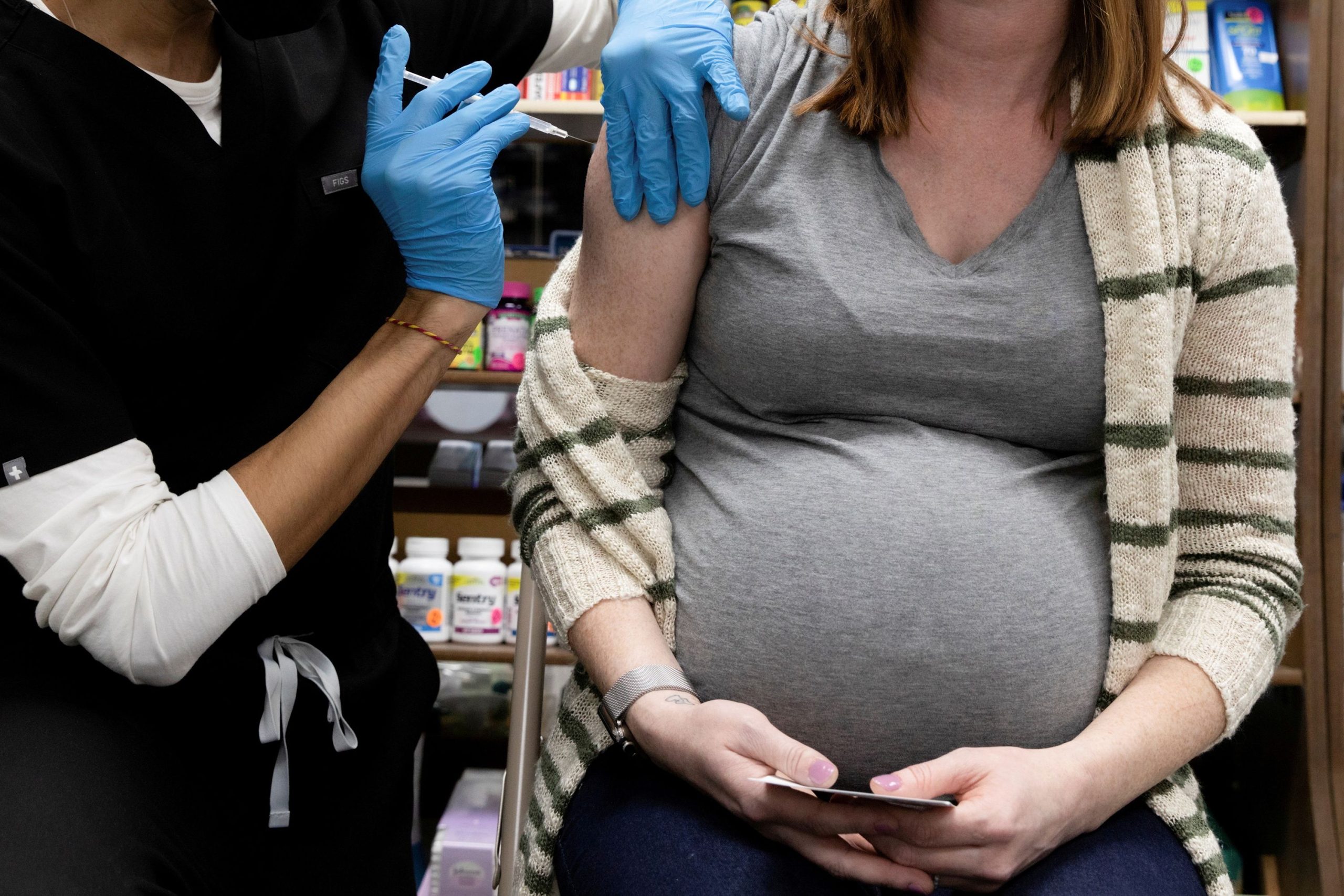
A new peer-reviewed study published in the journal Vaccine has found that women who received a COVID-19 vaccine either shortly before or during pregnancy reported higher rates of hypertensive disorders of pregnancy (HDP) compared to unvaccinated women, prompting calls for continued safety evaluation and updated risk-benefit analyses.
The study, conducted by researchers largely affiliated with the U.S. Centers for Disease Control and Prevention (CDC), analyzed data from more than 16,000 first-time pregnancies.
According to the findings, vaccinated women had a 24 percent higher reported risk of developing hypertensive disorders, including gestational hypertension and preeclampsia — conditions that are among the leading causes of maternal and fetal illness and mortality in the United States.
Researchers noted that the elevated risk was observed regardless of which COVID-19 vaccine the women received or at what stage of pregnancy vaccination occurred.
After adjusting for potential confounding factors such as body mass index, diabetes status, year of delivery and state of residence, the association remained statistically significant.
Among participants, 15 percent of vaccinated women reported experiencing HDP, compared with 12 percent of unvaccinated women.
To strengthen the comparison, researchers matched participants one-to-one based on age, race, ethnicity and gestational age at delivery.
The study included only first-time mothers carrying a single fetus and excluded women with known chronic hypertension.
The vaccinated cohort was drawn from the CDC’s COVID-19 Vaccine Pregnancy Registry, while unvaccinated participants came from the CDC’s Pregnancy Risk Assessment Monitoring System.
All diagnoses were self-reported, although validation analyses indicated strong agreement between self-reported hypertension and medical records.
The study also examined outcomes among women who contracted COVID-19 during pregnancy. Those who experienced infection had a 28 percent higher risk of HDP compared to women who did not report infection — a risk level similar to that observed among vaccinated women.
While the findings identified a statistically significant association, the authors cautioned that the results do not establish causation. They emphasized that differences between the vaccinated and unvaccinated groups — including the fact that nearly half of vaccinated participants were healthcare workers who may have experienced heightened stress and different healthcare monitoring practices — limit the ability to draw definitive conclusions.
READ ALSO: DOJ files expose Gates–Epstein ties in pre-COVID pandemic planning, funding
The researchers also acknowledged that the two groups were drawn from different surveillance systems and time periods, further complicating direct comparisons.
Nonetheless, they concluded that the findings underscore the need for continued surveillance and updated evaluations of pregnancy-related risks from both COVID-19 illness and vaccination.
During the early phase of vaccine rollout in 2021, then-CDC Director Dr. Rochelle Walensky encouraged pregnant women to receive the COVID-19 vaccine, stating that it was safe, while also noting that data at the time were limited.
The American College of Obstetricians and Gynecologists (ACOG) continues to recommend COVID-19 vaccination for pregnant women, describing the vaccines as safe for use during pregnancy.
The CDC’s current public guidance appears less definitive. Although the agency reportedly stopped routinely recommending COVID-19 vaccination last year, it has yet to issue updated formal guidance specific to pregnancy.
The CDC’s website currently lists “no guidance/not applicable” under COVID-19 vaccination during pregnancy.
Some scientists have suggested potential biological mechanisms that warrant further study.
These include the interaction between the SARS-CoV-2 spike protein and ACE2 receptors — which are involved in blood pressure regulation and are present in placental tissue — as well as immune activation and inflammation that could potentially affect placental blood flow. However, the study itself did not establish these mechanisms as causes.
External commentators have argued that the findings raise questions about pandemic-era public health messaging.
Epidemiologist Nicolas Hulscher said the study’s results merit accountability and deeper investigation, while other researchers noted that acknowledgment of potential safety signals reflects the importance of transparent monitoring systems.
The authors concluded by calling for renewed and comprehensive evaluations of the risks of COVID-19 illness and vaccination during pregnancy, stressing the importance of ongoing data collection to inform evidence-based recommendations for expectant mothers.



 Entertainment5 days ago
 Latest1 week ago
 Aviation1 week ago

 Crime5 days ago
 Crime6 days ago
 Featured1 week ago
 Politics5 days ago