The first public congressional hearing since the dramatic U.S. capture of Venezuelan President Nicolás Maduro opened on Capitol Hill on Wednesday with tense exchanges over the future of Venezuela’s oil revenues and Washington’s role in the South American nation’s transition.
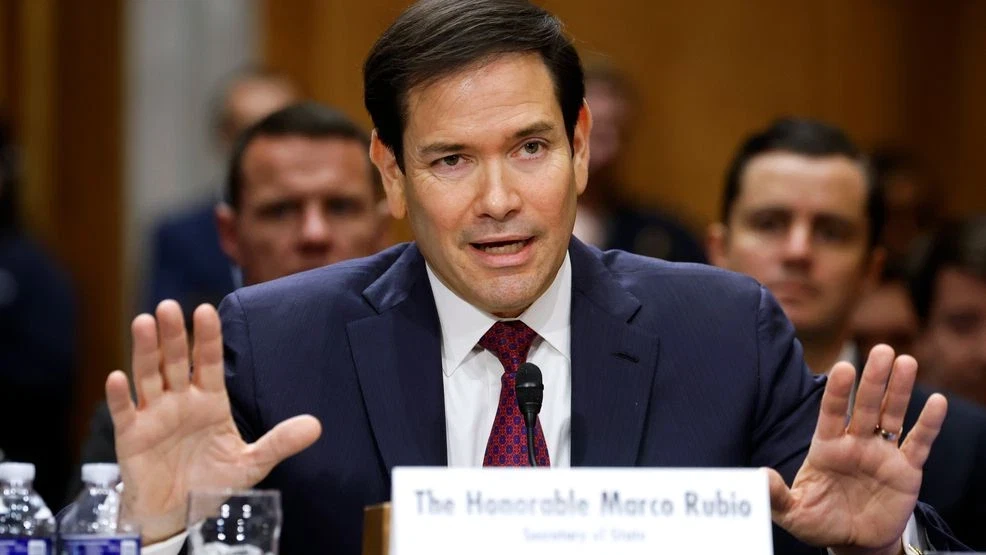
U.S. Secretary of State Marco Rubio appeared before the Senate Foreign Relations Committee for the first time since the January 3 operation that ousted Maduro and brought him to the United States on federal charges.
Lawmakers pressed Rubio on how roughly $200 million in proceeds from Venezuelan oil sales — now under U.S. supervision — are being managed and whether the strategy is justified given concerns about legality, transparency and long-term stability.
At the centre of the confrontations was a growing political debate over the handling of Venezuelan oil money since Maduro’s removal. Democratic Senator Jeanne Shaheen raised pointed questions about where the revenue is being held, how the funds are being used, and whether the plan — which places initial proceeds under stringent U.S. oversight — truly benefits the Venezuelan people.
Rubio defended the administration’s approach, saying that safeguards are in place to prevent the money from flowing back to networks loyal to the former regime and that the funds will be directed toward essential public services.
In his testimony, Rubio also stressed what he described as early positive developments since Maduro’s capture, including reports that vessels from a so-called “shadow fleet,” often linked to sanctioned oil trading networks, have stopped making trips to Venezuelan ports. He presented this as evidence of Washington’s influence over Venezuela’s oil sector as part of broader efforts to stabilise the country.
The hearing reflected a broader debate in Washington over whether controlling Venezuelan oil exports can help facilitate a political transition, or whether it risks deeper U.S. involvement in another complex foreign intervention.
Rubio defended the Trump administration’s strategy as a necessary interim step to ensure that Venezuela’s economy does not collapse while a political transition unfolds, and to block resources from returning to Maduro’s allies.
Republican and Democratic lawmakers diverged sharply on the issue. Some Republicans praised the administration’s decisive actions, while Democrats expressed scepticism, questioning both legal authority and oversight mechanisms.
The session underscored persistent concerns in Congress about the cost, legality and strategic direction of U.S. policy toward Venezuela, especially as the nation grapples with a fragile leadership transition and efforts to normalise its oil industry under U.S. supervision.
As the debate continues, both sides appear to agree on one point: Venezuela’s vast oil resources and political future will remain central to U.S. foreign policy discussions for months to come.



 Energy1 week ago
 Crime6 days ago
 Football1 week ago
 Business1 week ago
 Crime6 days ago

 Football2 days ago
 Business7 days ago