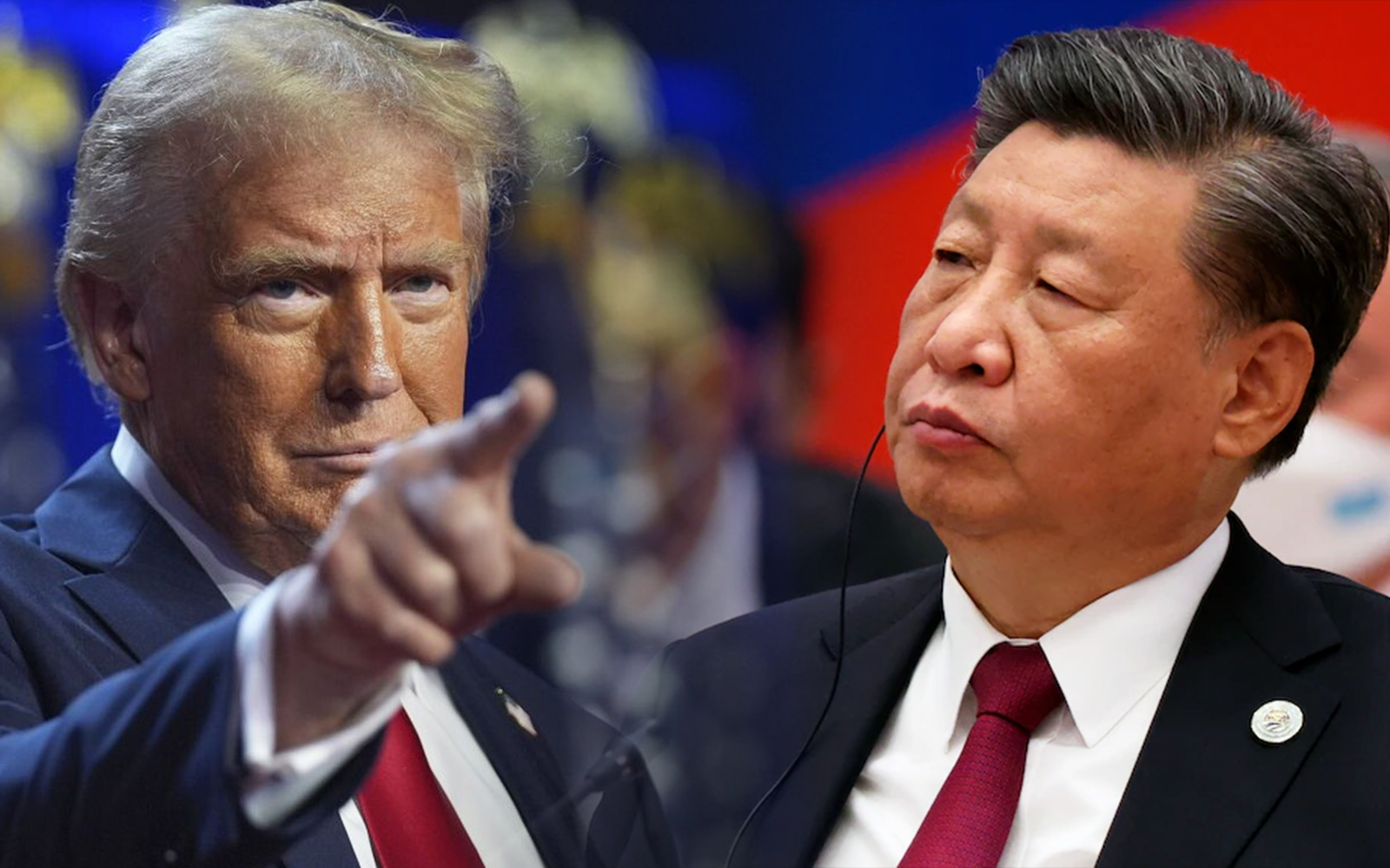
As top Trump administration officials gather in Geneva for a pivotal U.S.-China trade summit, Beijing appears to be quietly escalating its economic counteroffensive — one that’s beginning to reshape the contours of the global power dynamic.
In a string of calculated moves, China is methodically retaliating against what it views as years of aggressive economic warfare initiated by President Donald Trump’s tariff-heavy approach. While U.S. negotiators arrived in Geneva hoping for incremental progress on long-standing issues like fentanyl exports and trade imbalances, Beijing is signaling that it’s done playing defense.
The most significant sign of pushback? China is quietly offloading its vast holdings of U.S. Treasury bonds — once worth over $800 billion. Though not formally announced, economists warn that a sustained selloff could destabilize U.S. debt markets and raise long-term borrowing costs.
Simultaneously, China has tightened the spigot on rare earth mineral exports — critical inputs for American tech and defense industries. The move has alarmed policymakers in Washington, where efforts to reduce reliance on Chinese materials have so far lagged behind strategic needs.
But Beijing’s response isn’t confined to high finance and rare metals. In a digital messaging campaign gaining traction on TikTok, Chinese influencers are exposing the stark markup of Chinese-made luxury goods sold in the U.S. — some priced at four times their domestic value. The viral posts appear designed to stoke American consumer frustration and amplify calls for domestic price reforms.
On the trade front, China has just rejected multiple U.S. beef shipments at its ports, citing “quality concerns.” But sources familiar with the matter say the decision is more geopolitical than sanitary. In a direct rebuke to American agriculture, Beijing has struck a separate deal with Australia to secure a steady beef supply — effectively sidelining the U.S. in a key export sector.
ALSO READ: Trump’s Trade Gambit: Surprise tariff comments jolt U.S.-China talks ahead of Geneva summit
These actions cast a long shadow over the ongoing Geneva talks, which were already complicated by President Trump’s unexpected suggestion to lower tariffs on China from 145% to 80%. The announcement, made just hours after his trade delegation departed, blindsided Chinese officials and added tension to a negotiation that was always going to be fraught.
Inside Trump’s camp, the move was interpreted as part of a larger strategy to keep leverage flexible. Treasury Secretary Scott Bessent and U.S. Trade Representative Jamieson Greer, who are leading the American delegation, were not surprised by the tariff float — having discussed such possibilities internally. But the broader context has shifted.
China’s Strategy: Soft War, Real Impact
Foreign policy analysts are calling China’s approach a form of “soft war” — leveraging economic tools and public messaging rather than military might. And by some measures, it’s working.
“This isn’t saber-rattling,” said a European trade diplomat. “It’s quiet, deliberate economic strangulation — and the U.S. is on the back foot.”
National Economic Council Director Kevin Hassett remains cautiously optimistic, citing “respectful and collegial” tones heading into the summit. But with Beijing drawing clear red lines — and now enforcing them through tangible economic action — the space for compromise is narrowing.
Leading the Chinese delegation is Xi Jinping’s close economic advisor, He Lifeng, flanked by security chief Wang Xiaohong. Greer, who’s deeply familiar with the players on both sides, insists the talks are “serious,” but he acknowledges that China’s new posture has shifted the balance.
Trump’s Gamble
Behind the escalating tit-for-tat lies Trump’s larger ambition: a historic deal that would reset U.S.-China relations on his terms. Some aides say he views it as his “white whale” — a legacy-defining accomplishment akin to winning the Nobel Peace Prize.
But critics argue the administration is reaping what it sowed. “Trump started a trade war with no endgame,” said a former White House economic advisor. “Now China’s responding not with threats, but with action — and it’s working.”
As negotiations continue in Geneva, the world watches. Not just for a deal — but to see if the Trump administration can regain control of an increasingly asymmetric economic battle.


 Latest1 week ago
 Football6 days ago
 Business6 days ago
 Latest6 days ago
 Health7 days ago
 Latest1 week ago
 Latest6 days ago
 Latest6 days ago