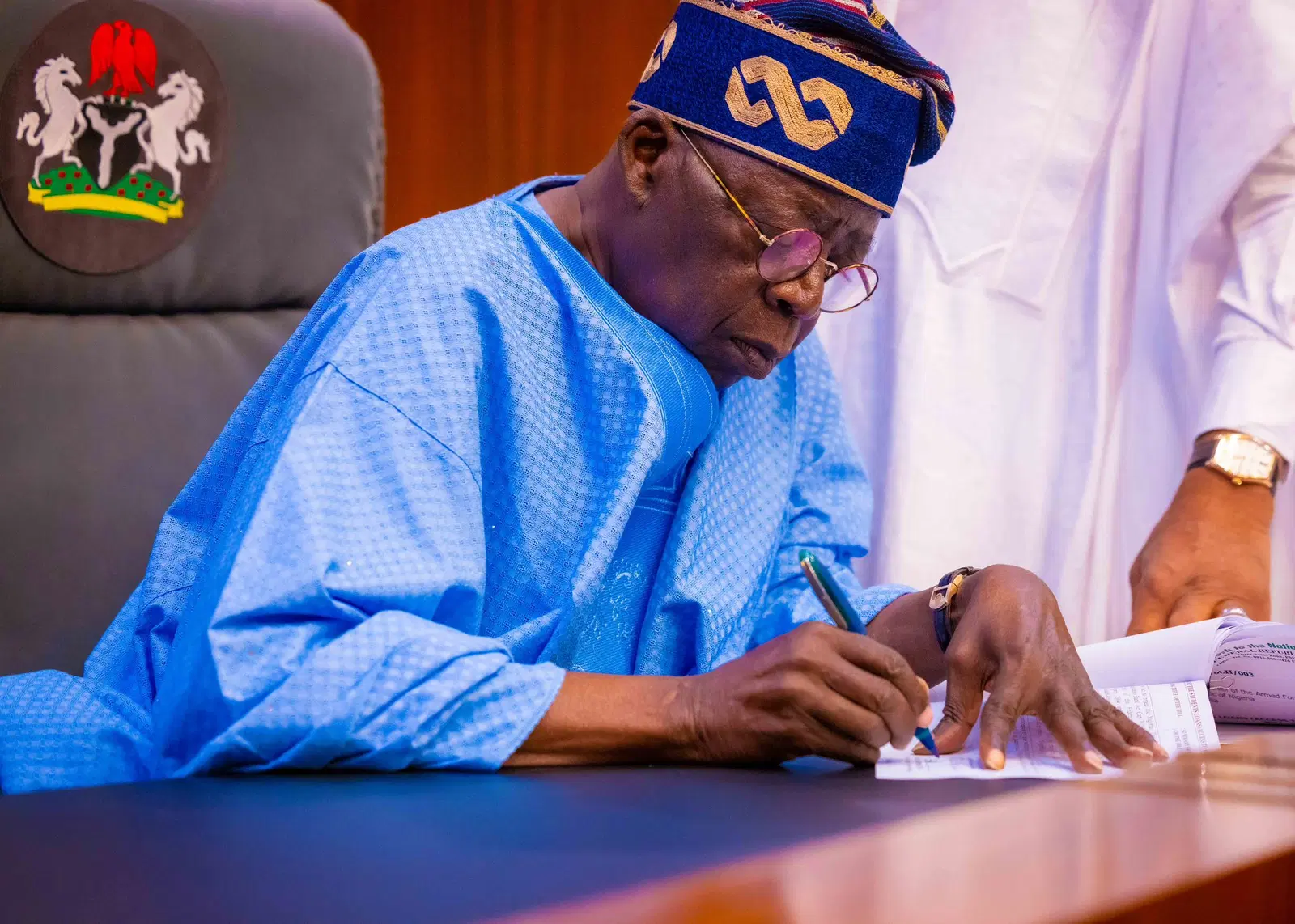
The Presidency has released a comprehensive list of appointments made so far by President Bola Ahmed Tinubu in response to growing criticisms over allegations of regional imbalance and favoritism in the distribution of key positions.
The clarification, made public through Sunday Dare, the Special Adviser to the President on Information and Strategy, aimed to counter claims of lopsidedness.
However, the detailed breakdown of appointments has reignited public debate, as it reveals a heavy concentration of appointments in the South West, particularly from the President’s home zone.
According to the compiled data, the South West has 29 presidential appointees, contrary to the 24 previously stated by Dare.
Notably missing from the official list was Femi Gbajabiamila, Chief of Staff to the President and one of Tinubu’s earliest and most influential appointments, raising concerns about transparency and completeness of the record.
The SouthEast region, by contrast, continues to show a significantly lower representation, with only 16 appointments listed.
Critics argue this reinforces long-standing perceptions of marginalization of the region in national political appointments.
Equally controversial is the observation that the ‘juiciest’ and most strategic positions—such as heads of key financial institutions, security agencies, and economic ministries—have predominantly gone to individuals from the South West and North West.
READ ALSO: Ndume raises alarm over federal character violations in Tinubu’s appointments
South West (29 Appointees): Includes key figures like Wale Edun (Finance Minister), Bosun Tijani (Minister of Communications), Olayemi Cardoso (CBN Governor), and several heads of strategic agencies such as the EFCC, Customs, DSS, and FIRS.
North Central (25 Appointees): Appointees include Lateef Fagbemi (Attorney-General), Joseph Utsev (Minister of Water Resources), and several top security and media agency heads.
North East (24 Appointees): Includes Muhammad Pate (Health), Yusuf Tuggar (Foreign Affairs), and National Security Adviser, Nuhu Ribadu.
North West (36 Appointees): The most represented region. Includes Defence Minister Mohammed Badaru, Chief of Defence Staff Gen. Christopher Musa, and several chairmanships of federal institutions.
South South (22 Appointees): Includes Nyesom Wike (FCT Minister), Festus Keyamo (Aviation), and several heads of oil, energy, and environmental agencies.
South East (16 Appointees): Among them are Dave Umahi (Works Minister), Doris Anite (Finance), and a few other technocrats in less strategic roles.
This distribution comes amidst mounting scrutiny, with civil society groups and political observers raising concerns about regional equity and inclusion in federal governance.
The release of this list may have been intended to promote transparency, but it has also sharpened focus on perceived imbalances and rekindled the national conversation on federal character principles and political fairness.
Political analysts warn that unless the administration takes deliberate steps to address the lopsided nature of the appointments, it risks deepening regional divisions and discontent, particularly in areas like the South East, which continue to feel excluded from the power structure.
The Presidency has yet to formally address why certain appointments, such as that of the Chief of Staff, were omitted from the official list.



 Football1 week ago
 Business1 week ago
 Latest1 week ago
 Latest1 week ago
 Crime1 week ago
 Latest1 week ago
 Latest6 days ago
 Latest1 week ago