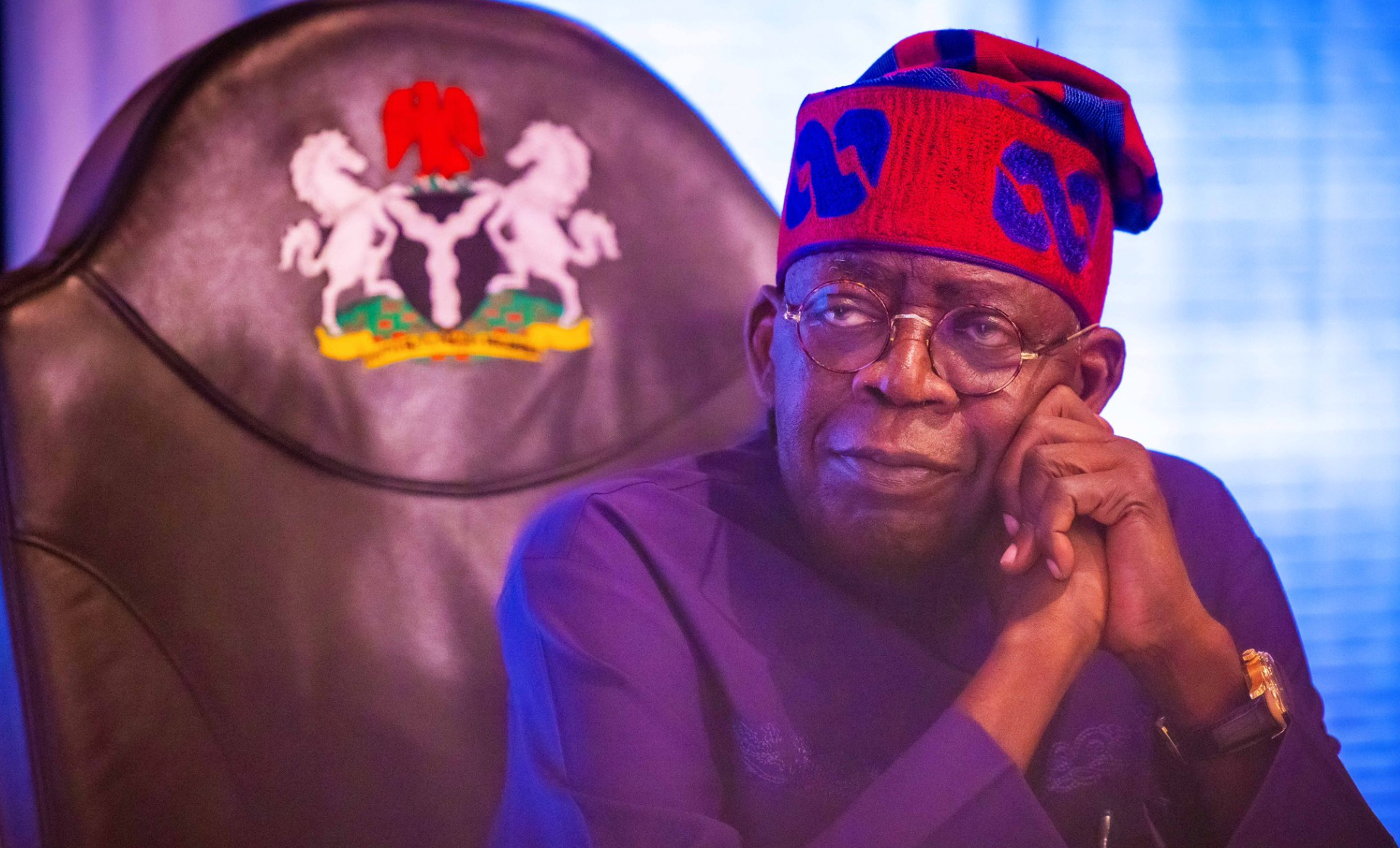
The Minister of Budget and Economic Planning, Senator Abubakar Atiku Bagudu, has revealed that the Northern region of Nigeria has recorded remarkable economic gains under President Bola Ahmed Tinubu’s administration, citing increased revenue allocations, debt reduction, and infrastructure development as key indicators.
READ ALSO: Peter Obi Accuses President Tinubu of Masking Economic Hardship with Misleading Statistics
Bagudu made the declaration on Wednesday while delivering a presentation at a two-day interactive session hosted by the Sir Ahmadu Bello Memorial Foundation in Kaduna, themed: “Assessing Electoral Promises: Fostering Government-Citizen Engagement for National Unity.”
The high-level gathering, which began on Tuesday, attracted over 60 federal appointees from Northern Nigeria, including the Secretary to the Government of the Federation, Senator George Akume, key ministers, heads of MDAs, state governors, and representatives of influential regional groups like the Arewa Consultative Forum (ACF) and the Northern Elders Forum (NEF).
Tinubu’s Reforms Yield Significant Revenue Growth
According to Bagudu, President Tinubu’s bold economic reforms—particularly the removal of fuel subsidies—have significantly increased revenues for states, especially in Northern Nigeria. He noted that these reforms allowed for more oil revenues to flow into the Federation Account, thereby raising monthly allocations to states and local governments.
Between May 2023 and June 2025, total net statutory revenue and VAT allocations to subnational governments (excluding EMT levy, FX gains, and augmentations) surged by 116.17%, from N458.81 billion to N991.81 billion.
“By ending the fuel subsidy, President Tinubu made a hard but necessary call—liberating trillions of naira to expand federal allocations by over 340%. States now have the means to invest in their future,” Bagudu said.
He explained that Gombe State recorded the highest percentage increase in allocations, rising from N6.69 billion in May 2023 to N24.91 billion in June 2025—a 272.35% jump. Kaduna State followed closely with a 251.84% increase, from N11.94 billion to N42.01 billion.
A regional analysis showed that: North Central states saw a 145% increase, North East states grew by 149%, and North West states rose by 143%.
Debt Reduction Across the Federation
READ ALSO: Presidency defends Tinubu’s N150m reward, honours for Super Falcons
Bagudu also highlighted a significant improvement in the fiscal health of subnational governments, thanks to the increased revenue flow.
He said the combined domestic debt of the 36 states and FCT dropped from N5.8 trillion to N3.8 trillion, a 33.4% reduction. The 19 Northern states alone slashed their domestic debt by 42.06%, from N1.98 trillion to N1.14 trillion.
“These results demonstrate the tangible benefits of macro-fiscal reforms. The Renewed Hope Agenda is delivering real value to citizens through improved subnational fiscal capacity,” he added.
Infrastructure Boom in the North
To further underscore the Tinubu administration’s commitment to the region, Bagudu listed several ongoing federal infrastructure projects in Northern Nigeria, including: Sokoto-Badagry Superhighway; Kano-Maiduguri Dualisation; Sokoto-Gusau-Funtua-Zaria Highway; Abuja-Keffi-Makurdi Road; Ilorin-Jebba-Minna Road; Abuja-Lokoja Road; Kano-Katsina Road Dualisation; Abuja-Kaduna-Kano Expressway; Kaduna-Kano Railway
He noted that these initiatives are aimed at improving regional connectivity, boosting trade, and creating jobs.
While affirming the significant gains recorded in the North, the minister was quick to clarify that Tinubu’s reforms are designed to benefit all regions equitably.
“President Bola Ahmed Tinubu’s administration has demonstrated a comprehensive and strategic approach to addressing the economic, social, and governance challenges in Nigeria,” he said.
The interactive session was part of an effort to review President Tinubu’s campaign promises to the region. Although some participants expressed concerns about regional fairness, 19 Northern governors and political appointees provided data-backed evidence of significant federal investment and reform impact in the region.
Bagudu concluded by assuring the audience of the administration’s continued focus on fiscal transparency, equity, and collaborative federalism, stressing that the Renewed Hope Agenda is laying a foundation for sustainable national development.



 Football4 days ago

 Crime5 days ago
 News7 days ago
 Business6 days ago
 Crime6 days ago
 Football5 days ago
 Business5 days ago