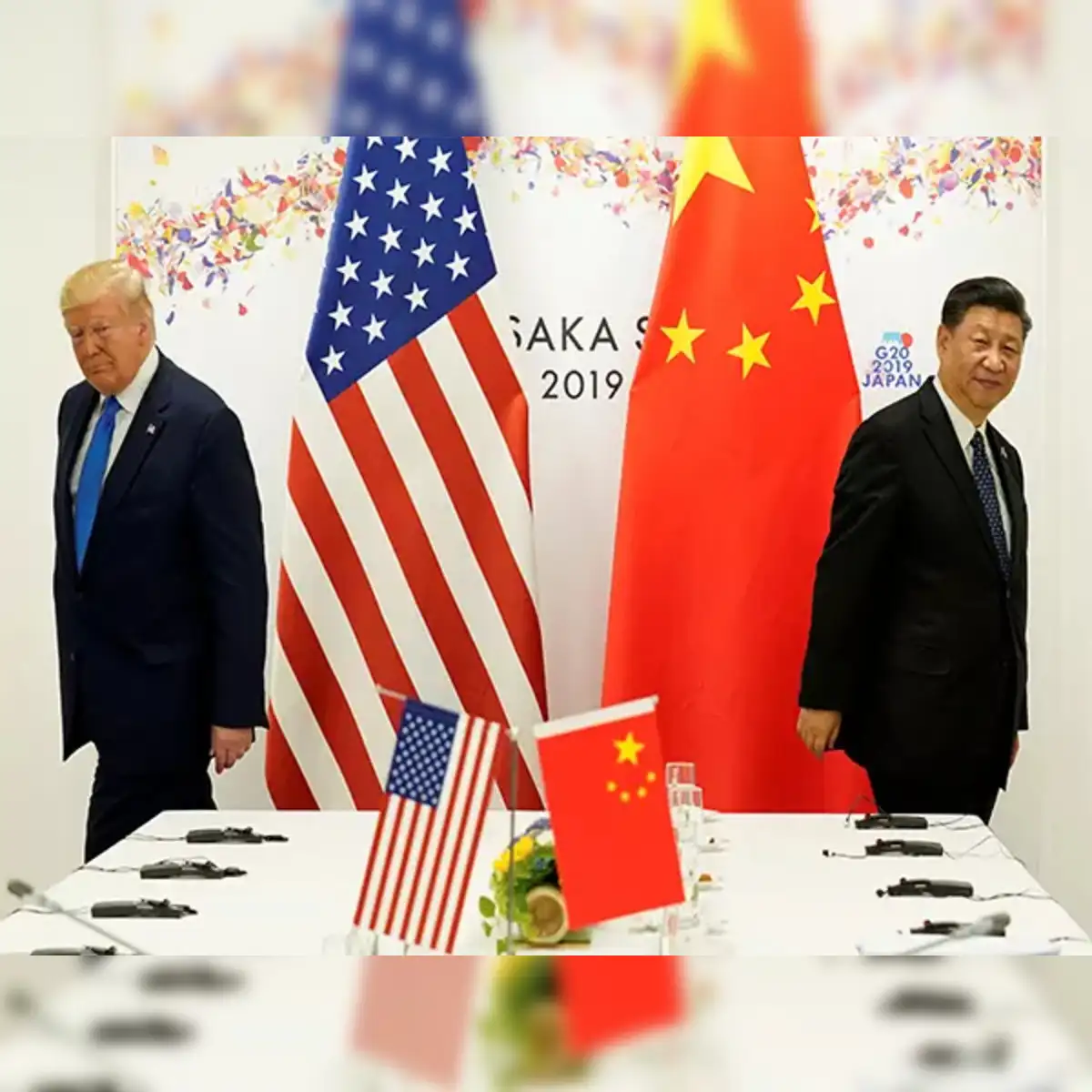
Senior trade negotiators from the United States and China are scheduled to meet in London next week Monday, as both powers attempt to reset fraught economic relations and avert further deterioration in global market stability. The high-level talks follow months of rising tension, marked by tariff disputes, export bans, and strategic maneuvering in key industries like technology and rare earth minerals.
The London summit is being closely watched by international observers, investors, and policymakers, given the economic weight of both nations and the potential ripple effects across global supply chains.
The talks come just weeks after the U.S. accused China of weaponizing its dominance in rare earth minerals, crucial for electric vehicles and defense systems, and following China’s decision to block U.S. beef imports while deepening trade ties with Australia. The U.S., in response, has hinted at recalibrating tariffs imposed during the Trump administration, with President Trump recently suggesting a possible reduction from 145% to 80% on select Chinese imports.
Despite the rhetoric, both sides appear cautiously open to a reset.
Leading the American delegation are Treasury Secretary Scott Bessent and U.S. Trade Representative Jamieson Greer, both key architects of Trump’s second-term trade strategy. China’s team is expected to be led by Vice Premier He Lifeng and top economic aide Wang Xiaohong, indicating Beijing’s serious approach to the discussions.
According to sources familiar with the agenda, topics on the table include:
Tariff relief and enforcement of previous trade agreements
Export controls and supply chain disruptions
Intellectual property and technology transfer concerns
Currency stabilization and financial cooperation
The meeting takes place against a complex geopolitical backdrop. With Europe grappling with inflation, Africa navigating debt burdens, and Asia adjusting to supply chain shifts, any breakthrough in London could provide needed relief or direction.
President Trump is under pressure to deliver economic wins ahead of a heated election cycle, while Beijing faces slowing growth and international scrutiny over its foreign investment practices.
Economic analyst Linnea Chung of Global Economics Forum notes: “This is more than just bilateral diplomacy. The London talks are a bellwether for the future of global trade frameworks — whether we’re moving toward fragmentation or cooperation.”
While a comprehensive deal is unlikely, insiders suggest both sides may agree to small but significant steps, such as reestablishing technical working groups, easing restrictions on specific goods, or outlining a phased de-escalation process.
A joint press conference is expected at the close of the talks, though sources caution that any announcements will likely focus on framework agreements rather than binding decisions



 Latest1 week ago
 Football1 week ago
 Business6 days ago
 Latest7 days ago
 Health1 week ago
 Latest6 days ago
 Latest6 days ago
 Latest1 week ago