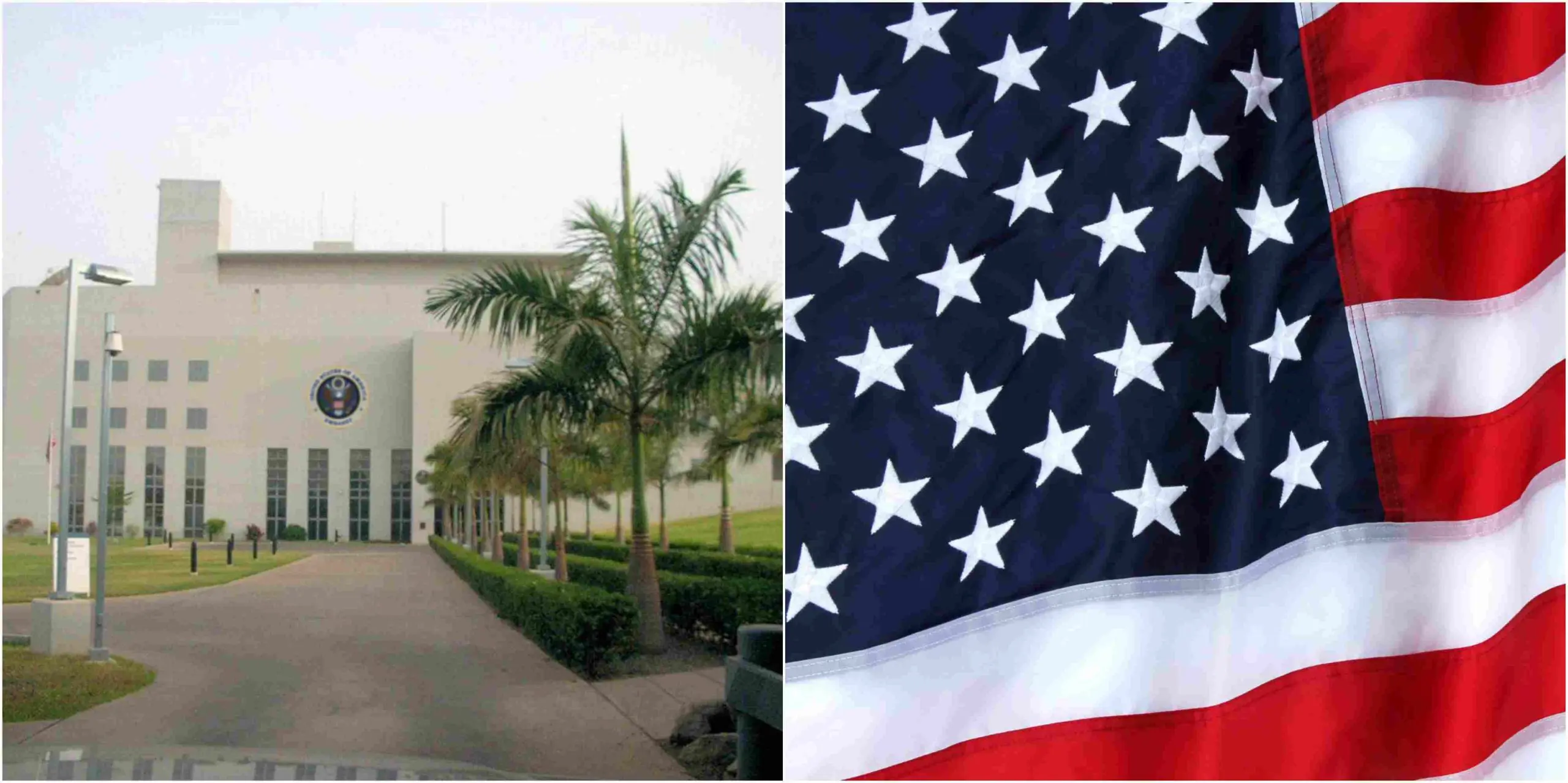
The United States Embassy in Nigeria has clarified that the recent decision to shorten visa validity for most Nigerian nonimmigrant applicants is not politically motivated and has no connection to Nigeria’s diplomatic stance on deportees, its adoption of e-visa systems, or its growing affiliation with international blocs like BRICS.
The clarification, issued Thursday by the U.S. Mission in Nigeria, follows widespread speculation that the visa policy change was a retaliatory move stemming from recent diplomatic tensions.
“The U.S. Mission Nigeria wishes to address misconceptions about the recent reduction in visa validity for most nonimmigrant U.S. visas in Nigeria and other countries.
This reduction is not the result of any nation’s stance on third-country deportees, introduction of e-visa policies, or affiliations with groups like BRICS,” the statement said.
According to the Embassy, the change is part of a global security and technical review of visa usage patterns and is being implemented in several countries—not just Nigeria.
The new policy is aimed at safeguarding the integrity of U.S. immigration systems through uniform global benchmarks.
The U.S. government’s clarification came in the wake of public commentary by Nigeria’s Foreign Affairs Minister, Yusuf Tuggar, who had rejected a request from U.S. authorities to accept 300 Venezuelan deportees—some of whom had completed prison sentences in the United States.
During an interview on Channels Television, Tuggar described the request as unfair and emphasized that Nigeria was not in a position to absorb such individuals given its own economic and social pressures.
“It will be difficult for a country like Nigeria to accept Venezuelan prisoners into Nigeria. We have enough problems of our own; we cannot accept Venezuelan deportees, for crying out loud,” he said.
Tuggar also linked the issue to broader concerns about growing pressure from the Trump-era immigration policy framework, which sought to push deportees to third-party nations.
READ ALSO: Nigeria’s refusal to host U.S. asylum seekers linked to visa restrictions
Nonetheless, the U.S. has now clarified that the recent visa adjustments are not connected to these diplomatic disagreements.
Under the revised policy, most Nigerians applying for nonimmigrant visas—including those for tourism, business, and short-term travel—will now receive single-entry visas valid for only three months, replacing the previously longer multi-entry visas.
The new rule, which took effect earlier in the week, does not affect existing visa holders whose documents were issued before the policy change took effect.
The U.S. emphasized that the visa policy is part of an ongoing global review aimed at reinforcing security within its immigration and travel systems.
“The reduction in validity is part of an ongoing global review of the use of U.S. visas by other countries using technical and security benchmarks to safeguard U.S. immigration systems,” the Embassy noted.
Despite the changes, the U.S. reaffirmed its strong bilateral relationship with Nigeria and expressed a desire to continue working closely with both government officials and the public to meet criteria that could pave the way for expanded visa access in the future.
“We remain committed to fostering safe, legal, and mutually beneficial travel between our two countries,” the statement added.
The U.S. Embassy urged Nigerian citizens to stay informed about visa requirements and reassured applicants that the changes were made in the interest of transparency, global consistency, and enhanced national security—not as a result of political retaliation.



 Football5 days ago
 Crime6 days ago
 News1 week ago
 Crime1 week ago
 Business6 days ago
 Business7 days ago
 Business4 days ago
 Football6 days ago