The United States has announced that it will begin enforcing a partial suspension of visa issuance for Nigeria and 18 other countries starting January 1, 2026, citing security concerns and immigration compliance issues.
The development was disclosed in an official statement published on Monday on the website of the U.S. Embassy and Consulates in Nigeria.
According to the statement, the restrictions will take effect at 12:01 a.m. EST and are in line with Presidential Proclamation 10998, titled “Restricting and Limiting the Entry of Foreign Nationals to Protect the Security of the United States.”
Under the new policy, the suspension will affect nonimmigrant B-1/B-2 visitor visas, as well as F, M, and J student and exchange visitor visas. It will also apply to all immigrant visas, subject to limited exceptions.
The embassy clarified that nationals of the affected countries who are outside the United States on the effective date and do not possess a valid U.S. visa will be subject to the restrictions.
The countries listed in the suspension include Nigeria, Angola, Antigua and Barbuda, Benin, Burundi, Côte d’Ivoire, Cuba, Dominica, Gabon, The Gambia, Malawi, Mauritania, Senegal, Tanzania, Togo, Tonga, Venezuela, Zambia, and Zimbabwe.
“Effective January 1, 2026, at 12:01 a.m. EST, the Department of State is partially suspending visa issuance to nationals of 19 countries for nonimmigrant B-1/B-2 visitor visas, F, M, and J student and exchange visitor visas, and all immigrant visas, with limited exceptions,” the statement read in part.
Despite the suspension, the U.S. Embassy emphasized that affected individuals may still submit visa applications and schedule interviews, although they may ultimately be found ineligible for visa issuance or entry under the new rules.
READ ALSO: Visa, landing denial threaten Nigeria’s 2026 World Cup qualifier in South Africa
The policy provides several exemptions. These include Lawful Permanent Residents (green card holders), dual nationals applying with passports from non-restricted countries, Special Immigrant Visa (SIV) holders who worked for the U.S. government, participants in major international sporting events, diplomats, and individuals whose travel is deemed to serve U.S. national interests. Immigrant visas issued to ethnic and religious minorities facing persecution in Iran are also exempt.
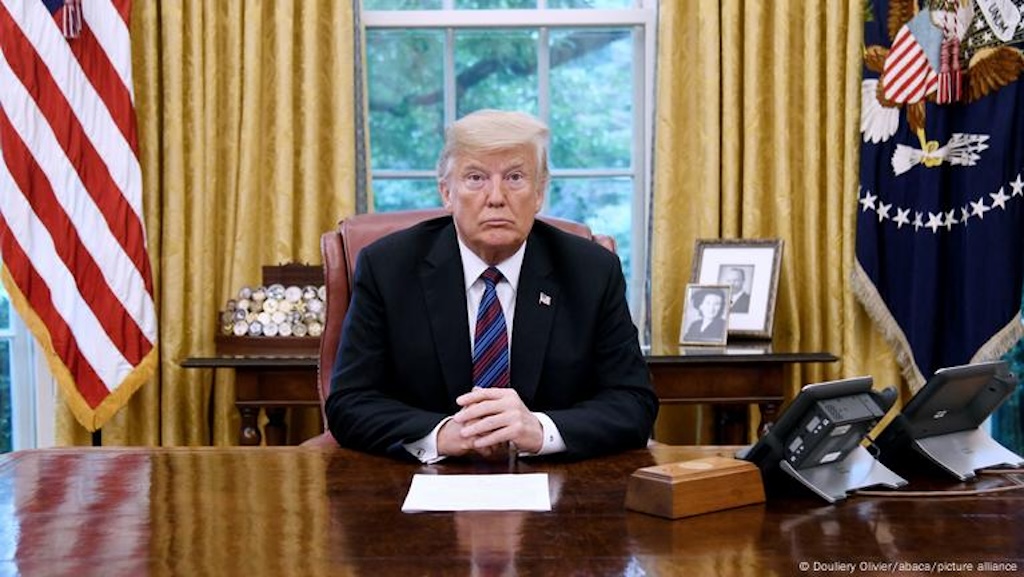
Nigeria was added to the U.S. travel restriction list earlier in December 2025, during the administration of President Donald Trump. U.S. authorities cited security concerns, immigration compliance challenges, and vetting difficulties as key reasons for the decision.
The U.S. government also referenced the activities of extremist groups such as Boko Haram and the Islamic State, noting that regional instability complicates identity verification and screening processes.
According to the Fiscal Year 2024 Entry/Exit Overstay Report, Nigerian nationals recorded visa overstay rates of 5.56 per cent for B-1/B-2 visas and 11.9 per cent for F, M, and J visas. U.S. officials argued that these figures, combined with concerns about document integrity and fraud risks in certain family-based visa categories, justified Nigeria’s inclusion under the partial suspension regime.
While Nigeria is not subject to a full travel ban, the restrictions affect both immigrant and non-immigrant visa applicants, particularly those seeking visitor, student, exchange, and some family-based visas.
The U.S. administration stressed that case-by-case waivers will remain available.
However, it warned that applicants from affected countries may face more rigorous screening, longer processing times, and potentially higher rejection rates, especially for student, visitor, and family-related visa categories.


 Business1 week ago
 Latest6 days ago
 Business1 week ago
 Football5 days ago
 Health1 week ago
 Business5 days ago
 Football1 week ago
 Football1 week ago