In a major policy shift with far-reaching implications, the U.S. Citizenship and Immigration Services (USCIS) has issued new guidance stating that immigrants without legal status who apply for permanent residency through a spouse or other family members may now face removal proceedings.
The updated directive, which took effect immediately on Monday, August 5, clarifies that the mere filing of a family-based immigration petition — such as the I-130 form — does not protect undocumented applicants from deportation. The guidance applies to both newly submitted and pending petitions filed on or after August 1.
“A family-based petition accords no immigration status nor does it bar removal,” the USCIS policy manual now states.
Previously, many undocumented immigrants seeking legal status through marriage or family ties often remained under the radar while their petitions were processed. However, under the new USCIS policy, even those actively pursuing legal pathways could now be placed in deportation proceedings if they are found to be out of status.
The change affects all family-sponsored residency applications — not just spousal petitions — and signals a stricter interpretation of immigration law enforcement under the Biden administration.
A spokesperson for USCIS told NBC News that the updated language in the policy manual is meant to clarify the legal reality that family sponsorship is not, in itself, a legal shield from removal.
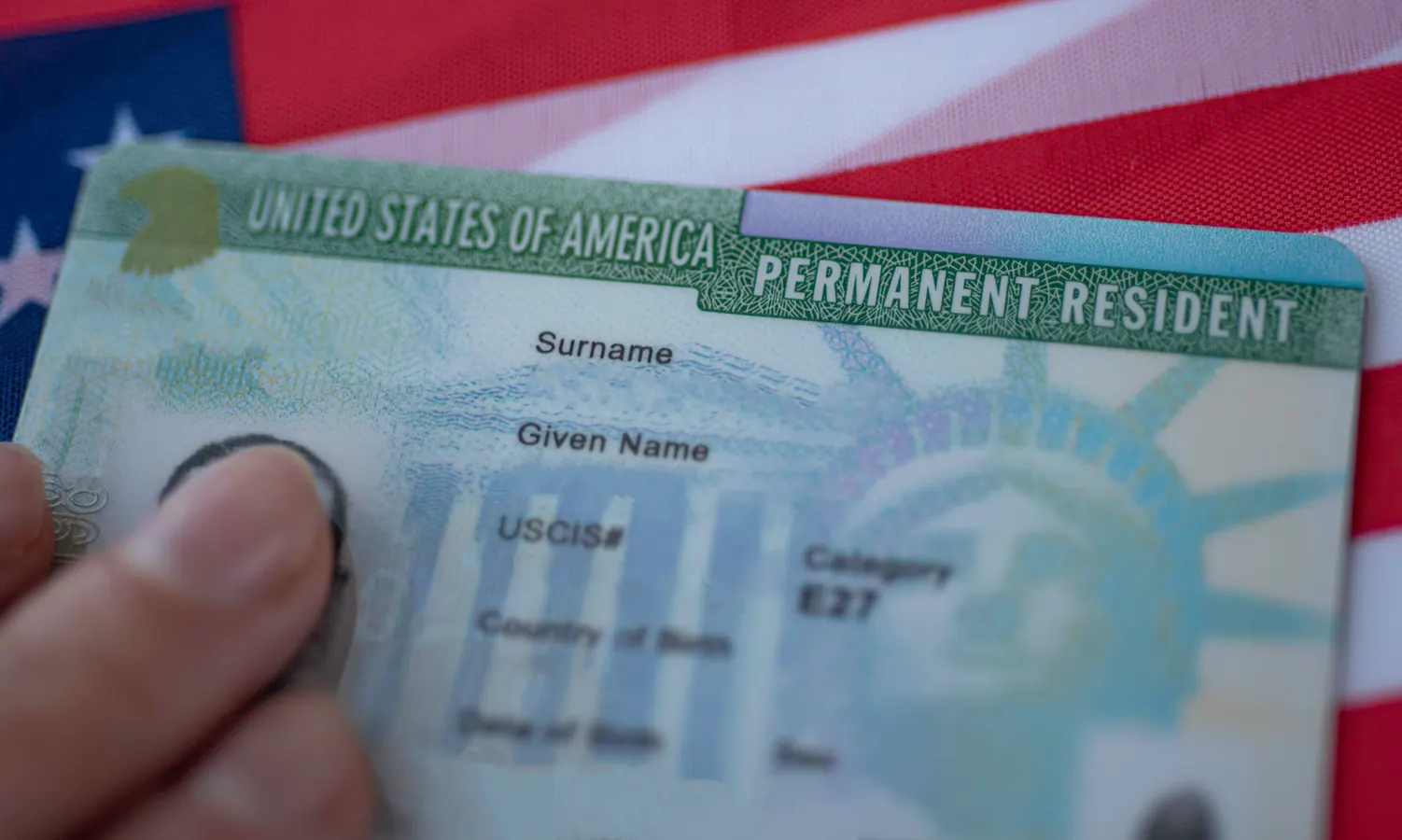
According to USCIS data, as of June 2025, over 2.4 million I-130 petitions were pending. These petitions represent the initial step in a multi-phase process for immigrants to obtain lawful permanent residency (green card) through a U.S. citizen or lawful permanent resident relative.
It remains unclear how many of those applicants are currently undocumented or have fallen out of status during their wait, but immigration attorneys warn the new policy could impact hundreds of thousands of people.
Immigration rights advocates have expressed alarm over the sudden nature of the policy and its potential chilling effect on family-based immigration — one of the most commonly used legal pathways into the U.S.
READ ALSO: Trump’s ultimatum: India faces 25% tariffs without deal
Critics argue the policy undermines trust in the system and discourages eligible immigrants from coming forward to normalize their status.
“This will discourage people from applying legally and make immigrants more vulnerable to exploitation,” said one immigration lawyer, who called the move “a backdoor crackdown on mixed-status families.”
The policy revision adds another layer of complexity to an already backlogged immigration system. Legal experts say the guidance could prompt a surge in removal cases, especially for applicants who mistakenly believed they were protected by a pending family petition.
The development also comes as immigration continues to be a hot-button issue in the lead-up to the 2026 midterm elections, with both parties under pressure to address the backlog and reform the legal immigration process.
As of now, USCIS has not provided further details on how aggressively the policy will be enforced or how it will coordinate with U.S. Immigration and Customs Enforcement (ICE) in identifying affected individuals.
But for millions of immigrant families hoping to reunite or secure legal residency through sponsorship, the landscape just became more uncertain — and potentially perilous.



 Energy1 week ago
 Football3 days ago
 Crime1 week ago
 Football1 week ago
 Business1 week ago
 Crime1 week ago
 Business1 week ago