A civil society organisation, Yiaga Africa, has released its preliminary report on the 2026 Federal Capital Territory (FCT) Area Council Elections, highlighting incidents of vote buying, delayed polling, and administrative lapses that affected the exercise.
The elections, conducted on Saturday by the Independent National Electoral Commission (INEC), covered the six area councils of the FCT, where voters elected chairmen, as well as councillors across 62 wards.
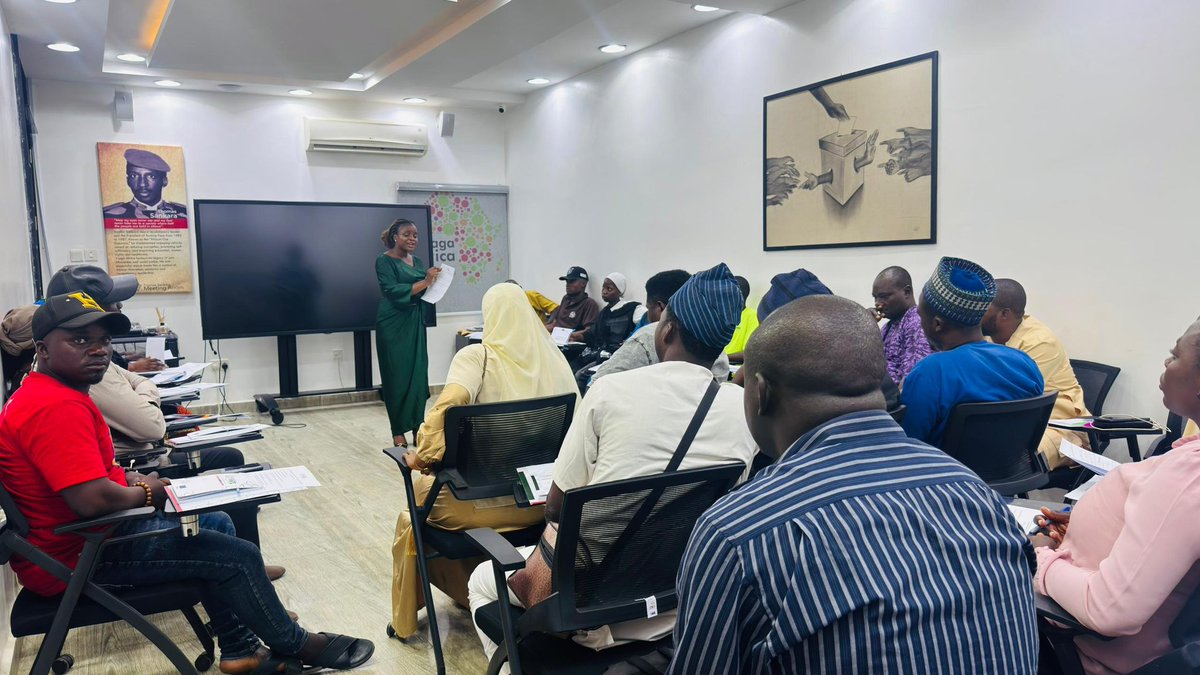
Yiaga Africa disclosed that it deployed trained and duly accredited roving observers across polling units in all 62 wards of the FCT.
According to the group, its observers were on ground by 7:30 a.m., with a mandate to monitor key aspects of the process, including opening procedures, accreditation, voting, counting, and overall compliance with electoral guidelines.
The group said the election was conducted in a largely peaceful atmosphere, noting that voters who presented themselves at polling units were generally able to cast their ballots without widespread disruption. However, it observed that voter turnout was generally low, with many polling units recording poor participation.
READ ALSO: Most Nigerian lawmakers would lose seats under transparent elections—Sowore
Yiaga Africa reported that logistical challenges significantly affected the timely commencement of polling, particularly in the Abuja Municipal Area Council (AMAC).
In areas such as Wuse and Gwarinpa wards, polling units reportedly opened behind schedule, with officials still arranging materials as of 9:00 a.m. In many locations, accreditation and voting did not begin until about 10:00 a.m.
“As of 9:00 a.m., set-up activities were still ongoing in the majority of polling units observed,” the group stated, attributing the delays mainly to logistical inefficiencies and, in some cases, security-related challenges
While critical election materials, including the Bimodal Voter Accreditation System (BVAS) devices and voter registers, were deployed in most observed units, Yiaga Africa flagged notable exceptions. In Polling Unit 004, Wuse Ward, Zone 2 Primary School, the voter register was reportedly not initially available and was only produced after concerns were raised by observers and voters.
The group also reported missing essential materials in some locations, including voting cubicles in certain polling units in Abaji Area Council and the absence of an ink pad in one observed unit.
Yiaga Africa further raised concerns about the relocation of some polling units and the creation of new ones without adequate and timely communication to voters.
Although INEC reportedly sent SMS notifications to affected voters, many messages were delivered on Election Day, with some arriving hours after polling had commenced.
The group said this late communication caused confusion, with numerous voters spending over an hour trying to identify their designated polling units. In several cases, the confusion contributed to congestion and overcrowding at polling centres, potentially discouraging participation.
It also noted significant disparities in voter distribution within the same polling locations, describing the imbalance as a concern for the coherence and reliability of INEC’s polling unit expansion and voter redistribution framework.
Observers reported that some polling units closed before the official 2:30 p.m. deadline, despite guidelines requiring units to remain open until that time or until the last person on the queue had voted.
On security deployment, Yiaga Africa said heavy presence of security personnel in certain areas restricted the movement of accredited observers and, in some cases, created barriers for voters attempting to access polling units.
The group also documented incidents of vote buying at various polling units, describing it as a persistent threat to electoral integrity.
Yiaga Africa noted that despite prior assurances and directives from INEC to security agencies to apprehend vote buyers and sellers, the practice reportedly continued in several locations.
The organisation said its findings underscore the need for stronger enforcement measures and improved logistical planning to enhance transparency, accessibility, and public confidence in future elections.
Yiaga Africa indicated that its final report would provide a more comprehensive assessment of the election process, including recommendations aimed at strengthening electoral administration in the FCT.


 Football3 days ago
 Energy1 week ago
 Crime1 week ago
 Football1 week ago
 Business1 week ago
 Crime1 week ago
 Business1 week ago