
Business
Gains, challenges of Nigeria’s telecom sector in 2024

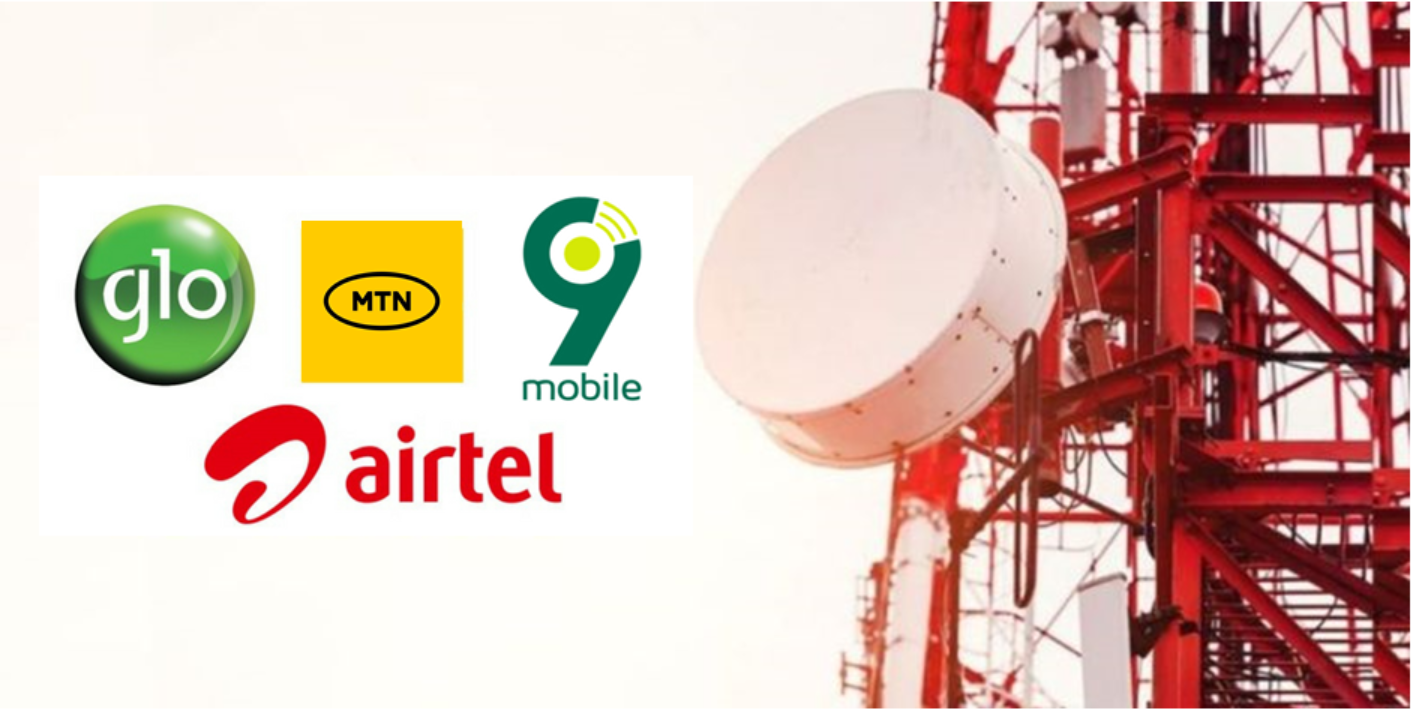
The Nigerian telecommunications sector demonstrated resilience and adaptability in 2024, achieving significant milestones while contending with persistent economic and infrastructural challenges.
As a vital contributor to the nation’s economy, the sector experienced growth driven by advancements in technology, supportive government policies, and an ever-increasing demand for digital connectivity.
According to data from the Nigerian Communications Commission (NCC), the telecom sector contributed over 16 per cent to Nigeria’s Gross Domestic Product (GDP) in 2024, up from 15.5 per cent in 2023.
This growth was underpinned by expanding broadband penetration, which reached 55 per cent by December, surpassing government targets.
Telecom analyst, Dr. Emmanuel Agbaje, attributed the sector’s success to continued investments in infrastructure.
“The rollout of 5G in major cities and the extension of 4G services to rural communities were game-changers. These developments not only improved connectivity but also created opportunities in areas like telemedicine, e-commerce, and remote work,” Agbaje said.
The Federal Government’s Digital Economy Strategy was instrumental in fostering growth.
Initiatives such as tax incentives for operators and streamlined regulatory procedures attracted significant investment. Telecom giant MTN Nigeria announced a $1 billion investment plan for 2024-2025 to enhance network quality and rural connectivity.
READ ALSO: NCC’s regulatory reforms, strategies set to redefine Nigeria’s telecom industry
Aisha Mohammed, another telecom expert, noted the importance of these policies. “By creating an enabling environment, the government has encouraged operators to expand their footprint, but rising costs remain a significant challenge,” she explained.
The sector faced mounting pressures from operating costs, driven by currency fluctuations and high diesel prices.
A PwC Nigeria report highlighted how these challenges forced operators to implement slight tariff increases to sustain operations.
“Navigating the economic headwinds has been tough for operators, but the sector’s ability to maintain growth despite these obstacles speaks to its resilience,” Mohammed added.
The number of active mobile subscribers in Nigeria grew by 8 per cent, reaching 226 million users by the end of 2024. This translated into a 35 per cent increase in internet data consumption, driven by affordable data bundles and increased smartphone adoption.
However, connectivity disparities between rural and urban areas remained. “While broadband access has expanded, over 30% of rural areas still lack reliable internet, leaving millions excluded from digital opportunities,” said Dr. Agbaje.
With digital adoption surging, cybersecurity incidents rose by 25 per cent, prompting the NCC to introduce stricter guidelines and public awareness campaigns.
READ ALSO: Nigerian telecoms investment plummets 87% amid industry challenges
Consumer complaints also climbed, with over 1.2 million grievances recorded in 2024, ranging from network quality to billing issues.
The NCC responded by imposing fines on defaulting operators and urging them to prioritize consumer satisfaction.
Looking ahead, stakeholders remain optimistic about the sector’s potential. The NCC has set an ambitious target of 70 per cent broadband penetration by 2025, with calls for stronger public-private partnerships to achieve this goal.
“The telecom industry is critical to Nigeria’s digital transformation,” Mohammed said. “Addressing operational challenges and ensuring equitable access to services will be key to sustaining progress.”
As 2024 concludes, Nigeria’s telecom sector stands out as a beacon of resilience, navigating challenges while driving the nation’s digital inclusion and economic growth agenda.


-
 Latest7 days ago
Israel marks 3 years since October 7 Hamas attack amid Gaza strikes, election debate
-

 Energy6 days ago
Fuel Battle: Dangote, marketers and government clash over petrol imports
-

 Energy1 week ago
Petrol, diesel prices rise 86% in 2026 as costs hit fresh highs
-

 Latest1 day ago
Full List: Meet the 2026 Nobel Prize winners across six categories
-

 Football1 week ago
Nigeria’s World Cup exit under spotlight as FIFA’s DR Congo files emerge
-
 Latest1 week ago
US Court set to rule on release of FBI, DEA records on Tinubu
-

 Business1 week ago
Nigerian investors at a crossroads as fixed-income yields slide
-

 Latest1 week ago
Oyo APC crisis deepens as Oluyole reconciliation meeting ends in brawl