
Business
U.S. Trade Representative slams Nigeria’s import bans, cites barrier to American export

The Office of the United States Trade Representative (USTR) has publicly criticized Nigeria for maintaining broad import restrictions on 25 product categories, including key American exports such as beef, poultry, fruit juices, medicaments, and alcoholic beverages.
The USTR described the policy as a significant non-tariff barrier that violates fair trade principles and restricts market access for U.S. producers.
In its annual National Trade Estimate Report on Foreign Trade Barriers, the USTR listed Nigeria’s import prohibitions among the top 10 unfair trade practices currently affecting American exporters.
The report, which outlines barriers faced by U.S. businesses in over 60 markets worldwide, emphasized that Nigeria’s policy directly undermines export potential and represents a broader challenge to the rules-based trading system.
“Import bans on U.S. goods such as pork, poultry, and fruit juices deny American producers access to one of Africa’s largest consumer markets,” the report stated. “These restrictions not only limit trade but also contradict Nigeria’s commitments under the World Trade Organization (WTO).”
Nigeria has long maintained import restrictions as part of its broader economic strategy aimed at conserving foreign exchange reserves, promoting domestic industries, and achieving food security.
The Central Bank of Nigeria (CBN), in coordination with the Ministry of Finance, has supported the bans by restricting access to foreign currency for listed items.
However, trade experts argue that these policies come at a cost—both diplomatically and economically.
“While Nigeria’s protectionist stance may offer short-term relief to local industries, it risks long-term isolation from global supply chains and investment flows,” said Dr. Charles Uzo, a Lagos-based international trade analyst. “Such restrictions send a negative signal to foreign partners and could lead to retaliatory measures.”
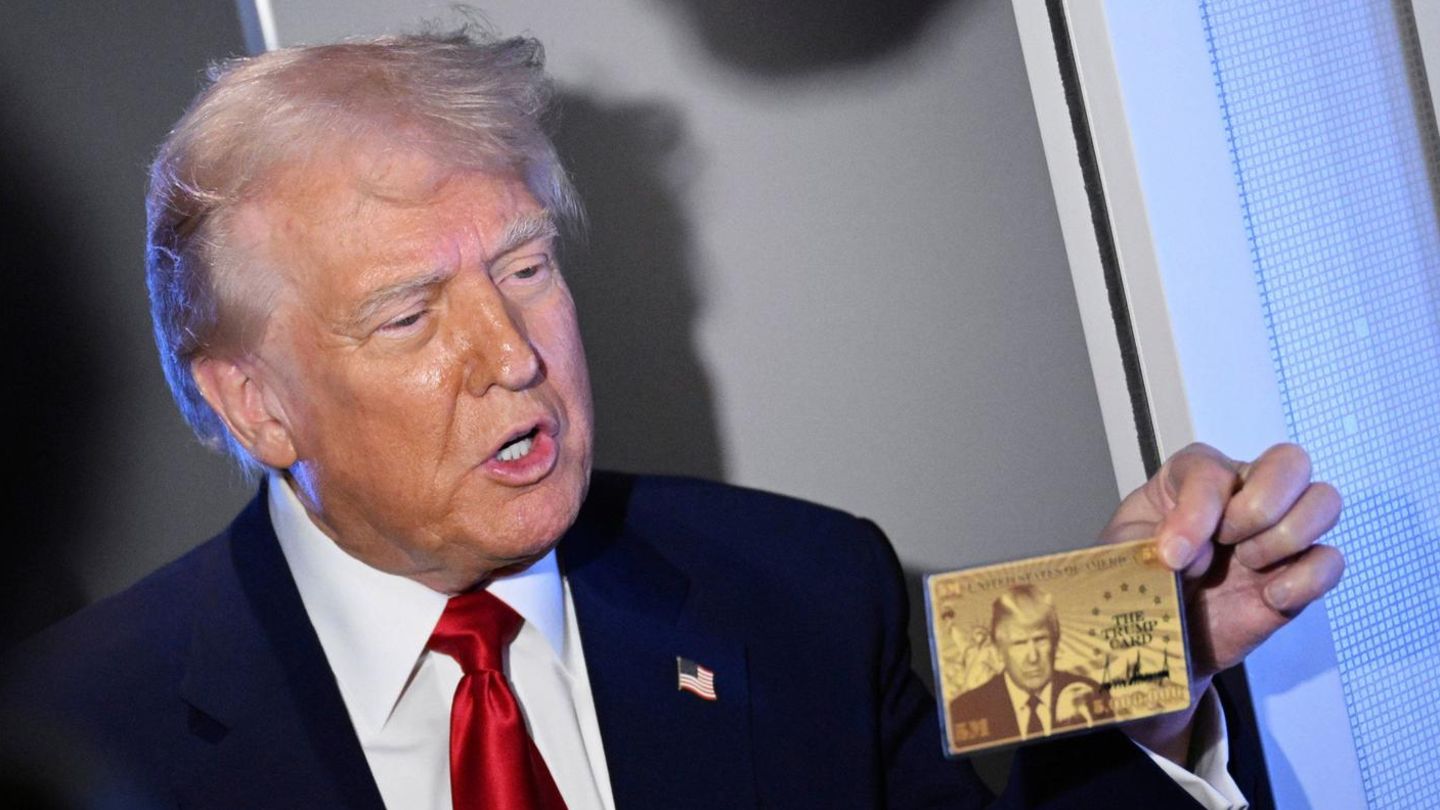
The USTR’s criticism comes amid heightened global trade tensions, particularly following a wave of new tariffs introduced by the United States under President Donald Trump.
Just this week, Trump threatened to impose an additional 50% tariff on Chinese imports, escalating a broader trade war with major economies.
Analysts suggest that Washington’s naming of Nigeria—traditionally seen as a strategic partner in Africa—may reflect growing frustration with trade imbalances in developing markets.
READ ALSO: Trump issues ultimatum to China amid escalating trade war
“This isn’t just about Nigeria. It’s about signaling to other countries that the U.S. is serious about enforcing trade reciprocity, even with long-time partners,” said Jennifer Lowenstein, a senior fellow at the Peterson Institute for International Economics. “But it also risks alienating those partners if the conversation isn’t approached through diplomatic channels.”
The U.S. report urges the Nigerian government to revisit its trade policies and align more closely with international norms. It suggests that greater openness could yield economic benefits through increased foreign direct investment, technology transfer, and stronger integration into the global market.
At the same time, domestic advocates in Nigeria argue that import bans remain crucial to boosting local production and shielding nascent industries from unfair competition.
“We need a balanced approach,” said Professor Musa Yaro of the University of Abuja’s Economics Department. “While we must not ignore our trade obligations, we also cannot afford to allow foreign goods to cripple local enterprises.”
With Nigeria’s economy still recovering from inflationary pressures and a weakening currency, it is unclear whether Abuja will heed Washington’s call to lift the restrictions. However, observers believe dialogue is still possible—especially as Nigeria seeks renewed foreign investment and deeper ties with the U.S. under the African Growth and Opportunity Act (AGOA).


-
 Latest1 week ago
Israel marks 3 years since October 7 Hamas attack amid Gaza strikes, election debate
-

 Energy1 week ago
Fuel Battle: Dangote, marketers and government clash over petrol imports
-

 Latest2 days ago
Full List: Meet the 2026 Nobel Prize winners across six categories
-
 Featured6 days ago
103 Million Voters: What does INEC’s new register say about Nigeria’s population?
-

 Business1 week ago
Nigerian startup 3650HQ moves to cut rising WhatsApp costs for businesses
-

 Business7 days ago
The Ministry of Commerce of Loveworld gets a $1 million boost for new investment fund at LTIF 2026 to promote Trade in Ghana
-

 Football2 days ago
Premier League Matchweek 7: Five Fixtures That Could Shape the Weekend
-

 Features6 days ago
Edo’s 2.5 million vote promise: Can the numbers match the politics?