
Business
Naira sinks further in parallel market, hits N1,621/$1 amid dollar shortages

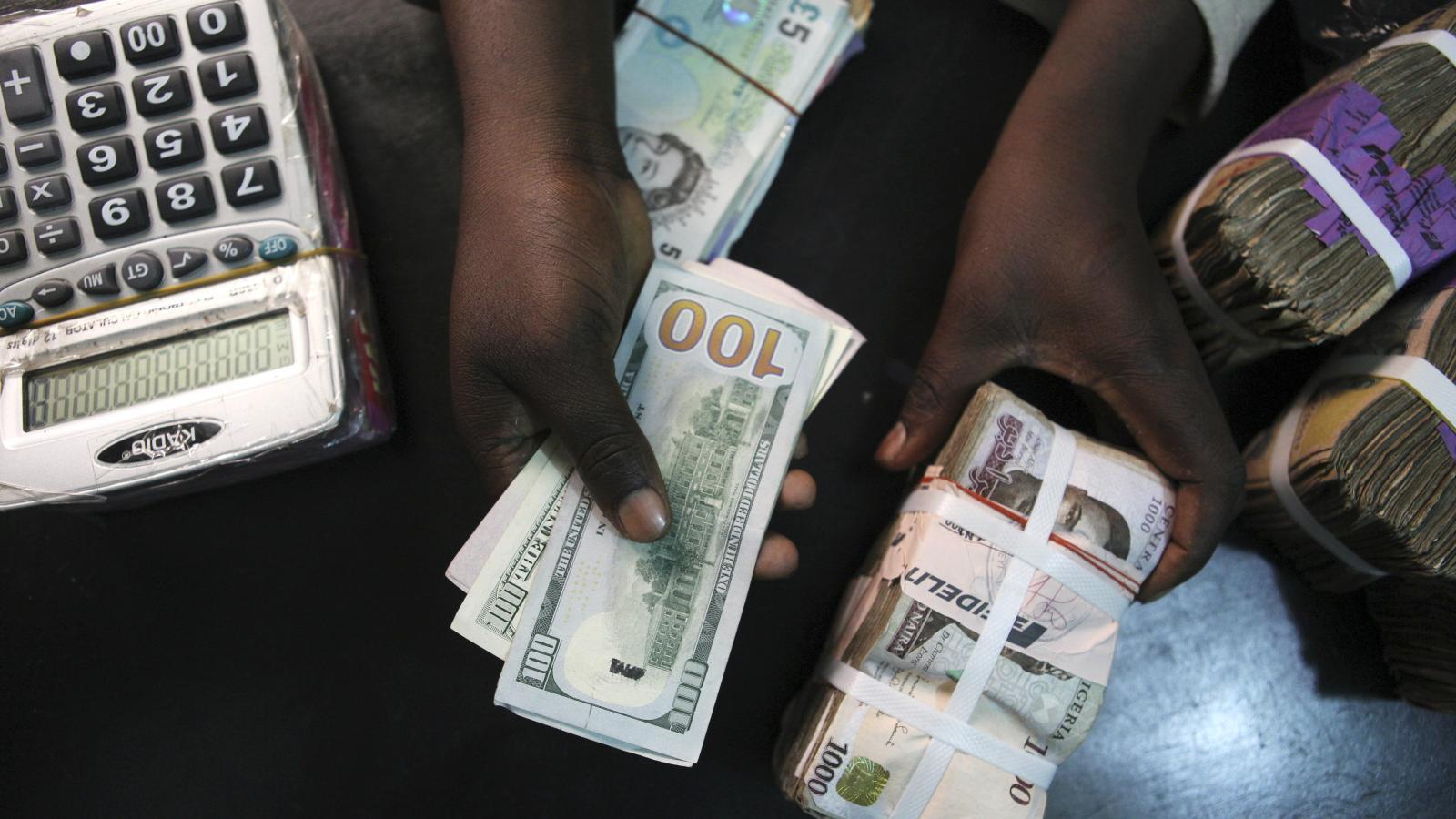
The Nigerian naira continued its downward trajectory in the parallel foreign exchange (FX) market on Thursday, closing at N1,621 to the dollar, a sharp decline from N1,580/$1 recorded just a day earlier.
This represents a N41 drop within 24 hours, intensifying concerns about sustained volatility in the country’s FX market.
Checks conducted at the popular Wuse Zone 4 FX hub in Abuja confirmed the slide, with traders attributing the continued depreciation to a spike in demand and persistent scarcity of dollars. Market participants said pressure was especially high from small businesses and importers unable to access official FX windows.
“The demand today was unusually high, especially from small businesses that can’t access the banks. It’s putting pressure on our supply,” said one currency dealer in Wuse Zone 4, who requested anonymity.
While the official exchange rate stood at N1,644/$1 on Wednesday, data from the Central Bank of Nigeria (CBN) showed no update several hours after the market closed on Thursday, further fueling speculation and uncertainty.
Experts warn that the widening gap between dollar demand and available supply is compounding market instability. Alhaji Aminu Gwadabe, President of the Association of Bureau De Change Operators of Nigeria (ABCON), linked the volatility to both local and global economic disruptions.
“The volatility, fears, happenings, and shocks in both the local and international markets call for concern. President Trump’s tariff announcements have sent markets into panic, triggered a loss of confidence, revenue losses, and forced budget reviews,” Gwadabe said in a message to Nairametrics.
He emphasized that while the CBN continues to intervene, the measures have not been sufficient to calm the markets.
“As usual, the CBN, being a catalytic actor, must continue to ensure stability through timely interventions. However, volatility remains a challenge and needs to be more comprehensively addressed,” he added.
Gwadabe further called on the apex bank to enhance its policy transmission mechanisms and expand support to the retail end of the FX market, particularly through Bureau De Change operators.
READ ALSO: Naira plummets to ₦1,620/$1 in black market
“It is necessary for the CBN to reevaluate the efficacy of its policy transmission mechanisms and broaden its scope to include BDCs. These operators are critical in meeting the retail demands of invisible transactions and represent a potent tool in the CBN’s FX policy toolkit.”
Dr. Muda Yusuf, Chief Executive Officer of the Centre for the Promotion of Private Enterprise (CPPE), also blamed the naira’s woes on speculative pressures and external policy shifts.
“This is not unconnected to recent policy signals from President Trump and global oil price movements. The market is heavily information-driven, and speculative pressure has spiked following the tariff announcements,” Yusuf said.
He added that some relief may come if the U.S. administration steps back from some of its more aggressive policy positions. “Now that Trump appears to be having second thoughts, we might even see a bit of a breather in the FX market,” he noted.
Despite the chaos, analysts point to a subtle convergence between the official and parallel market rates—N1,644/$1 and N1,621/$1 respectively—as a potential sign of progress. Still, most agree that unless the CBN resumes consistent interventions and boosts dollar liquidity significantly, the naira will remain under pressure.
“The continued depreciation of the naira, despite heightened efforts by the CBN, underscores persistent challenges in Nigeria’s FX landscape, including a structural mismatch between demand and supply,” said one market analyst.
As uncertainty continues to cloud the horizon, all eyes remain on the CBN and the federal government to provide clear, consistent policy direction that restores confidence and ensures a more stable foreign exchange environment.


-

 Football1 week ago
Banda, Chawinga make 2026 Women’s Ballon d’Or top 30 shortlist
-

 Trending Stories6 days ago
Davido, Wizkid, Burna Boy or Asake: Who is having the biggest 2026 so far?
-
 Featured1 week ago
Peter Obi, Makinde and the 2027 elections: Can unity really challenge APC?
-
 Football6 days ago
Premier League releases 2026/27 festive fixtures, 7 matches set for Boxing Day
-

 Business4 days ago
Jetour Nigeria, dealers take dashing, other models to Abuja Experience
-

 Crime5 days ago
Anambra Police arrest mother over alleged child sexual exploitation
-

 Business5 days ago
Dangote Refinery IPO shifts spotlight to corporate governance, investor protection
-

 Energy7 days ago
Brent crude tops $100: What higher oil prices mean for Nigeria