
Business
Fuel prices stay high despite crude crash — IPMAN cites FX, market forces

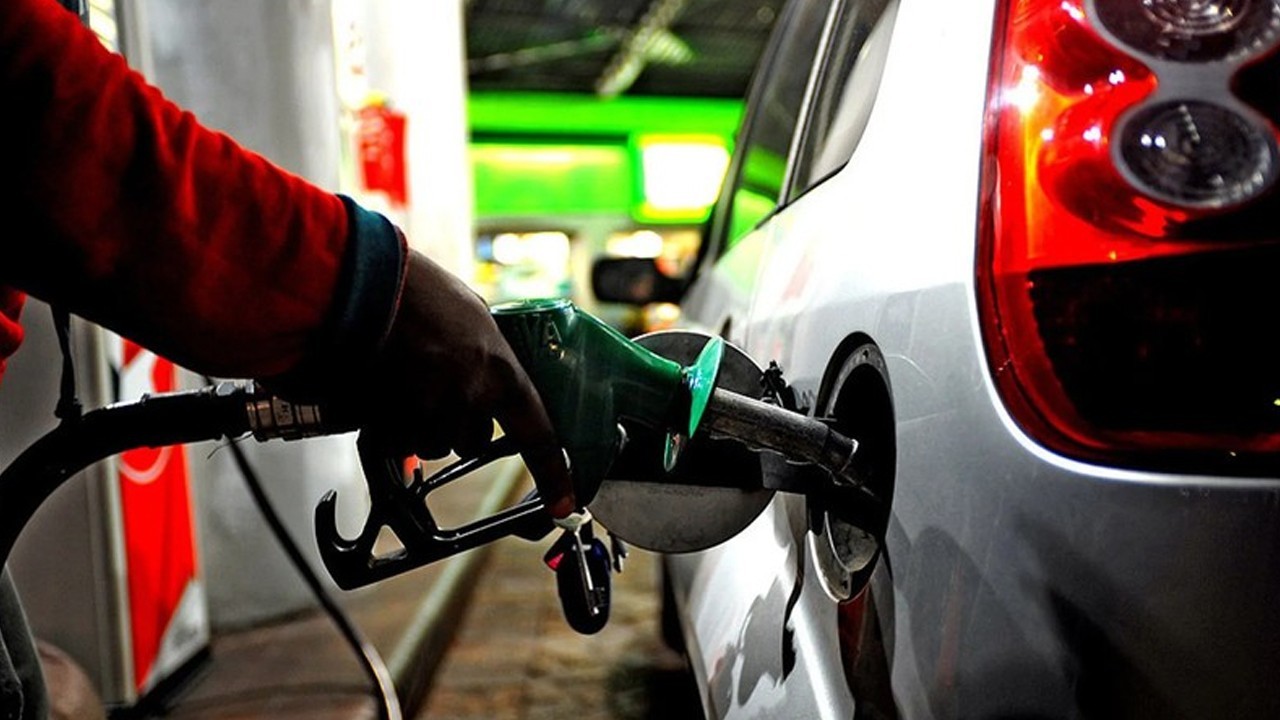
The Independent Petroleum Marketers Association of Nigeria (IPMAN) has explained why Nigerians are yet to witness a significant drop in the price of Premium Motor Spirit (PMS), despite the recent global slump in crude oil prices.
Speaking in an interview on Tuesday, IPMAN’s spokesperson, Chinedu Ukadike, attributed the sustained high cost of petrol in the local market to the interplay of market forces and Nigeria’s weakening exchange rate, despite the ongoing naira-for-crude supply deal involving the Nigerian government, Dangote Refinery, and other domestic refiners.
According to Ukadike, while global crude oil prices have dropped significantly—$65 per barrel for Brent crude and $61 for West Texas Intermediate (WTI) as reported by oilprice.com—the benefits of these declines are offset by Nigeria’s economic realities, particularly the foreign exchange rate, which stood at N1,604.48/$ in the official market as of Tuesday.
“The forces of demand and supply in the downstream sector, and the cost of foreign exchange also determine the price of crude and its by-product, fuel,” Ukadike stated.
“The current price of petrol is competitive and fair enough for Nigerians owing to the two factors of forces of demand and supply and FX rate.”
Despite the continuation of the naira-for-crude deal—which aims to prioritize local supply and reduce Nigeria’s dependence on imported fuel—petrol prices have remained high, currently selling at N940 to N975 per litre in Abuja and other parts of the country.
Amid the falling global crude oil prices, many Nigerians have expressed frustration over the unchanging domestic petrol prices.
Nurudeen Abdullahi, a resident of Abuja, said he expected fuel prices to drop to around N850 per litre, based on current crude benchmarks.
“To be fair with you, local petrol prices should be around N850 per litre or less, following the current benchmark of crude oil prices, which stood around $65 per barrel, down from $72,” he said.
Evelyn Adebayo, another consumer, voiced similar concerns, accusing marketers of being quick to raise prices but slow to reflect decreases in the global market.
“If it were petrol price hikes, they would have implemented it without hesitation. I’m surprised local petrol prices did not drop in proportion to global crude prices.”
In a bid to offer some relief, the Dangote Refinery recently announced a ₦10 reduction in its ex-depot petrol price, following the government’s reaffirmation of the naira-for-crude agreement. However, the marginal cut has not significantly impacted retail prices at the pump.
Ukadike defended marketers, saying they are not to blame for the lack of a major price reduction, and reiterated that fuel pricing is dictated by broader economic variables, not just crude oil costs.
Global crude oil prices have been volatile in recent weeks, influenced by U.S.-China trade tensions, including tariff wars initiated during Donald Trump’s presidency, and recent production cut agreements by OPEC+, which have affected global supply and demand dynamics.
Though a temporary pause in global tariffs—except those on China—has helped stabilize prices, the fluctuations have not translated to reduced costs for Nigerian consumers.


-

 Latest1 week ago
Pastor Chris Oyakhilome announces mother’s passing at 88 [VIDEO]
-

 Latest3 days ago
US Immigration fees rise from October 16 as USCIS announces new charges
-

 Football6 days ago
How David Beckham made $51.1m from 2026 World Cup, surpassing winners’ prize
-

 Comments and Issues1 week ago
Fani-Kayode on Atiku: Separating claims from the record
-

 Health6 days ago
COVID-19 Hospital care under scrutiny as US Senate hears patient, family testimonies
-

 Business5 days ago
OpenAI shelves GPT-6.1 astra release over safety concerns
-

 Business2 days ago
Nigeria’s $55bn reserves raise fresh questions over naira value
-

 Latest6 days ago
ADC’s 2027 Strategy: Who are the key players and what are their roles?