
Latest
Nigeria’s economy worse than 1960 levels, says AfDB boss

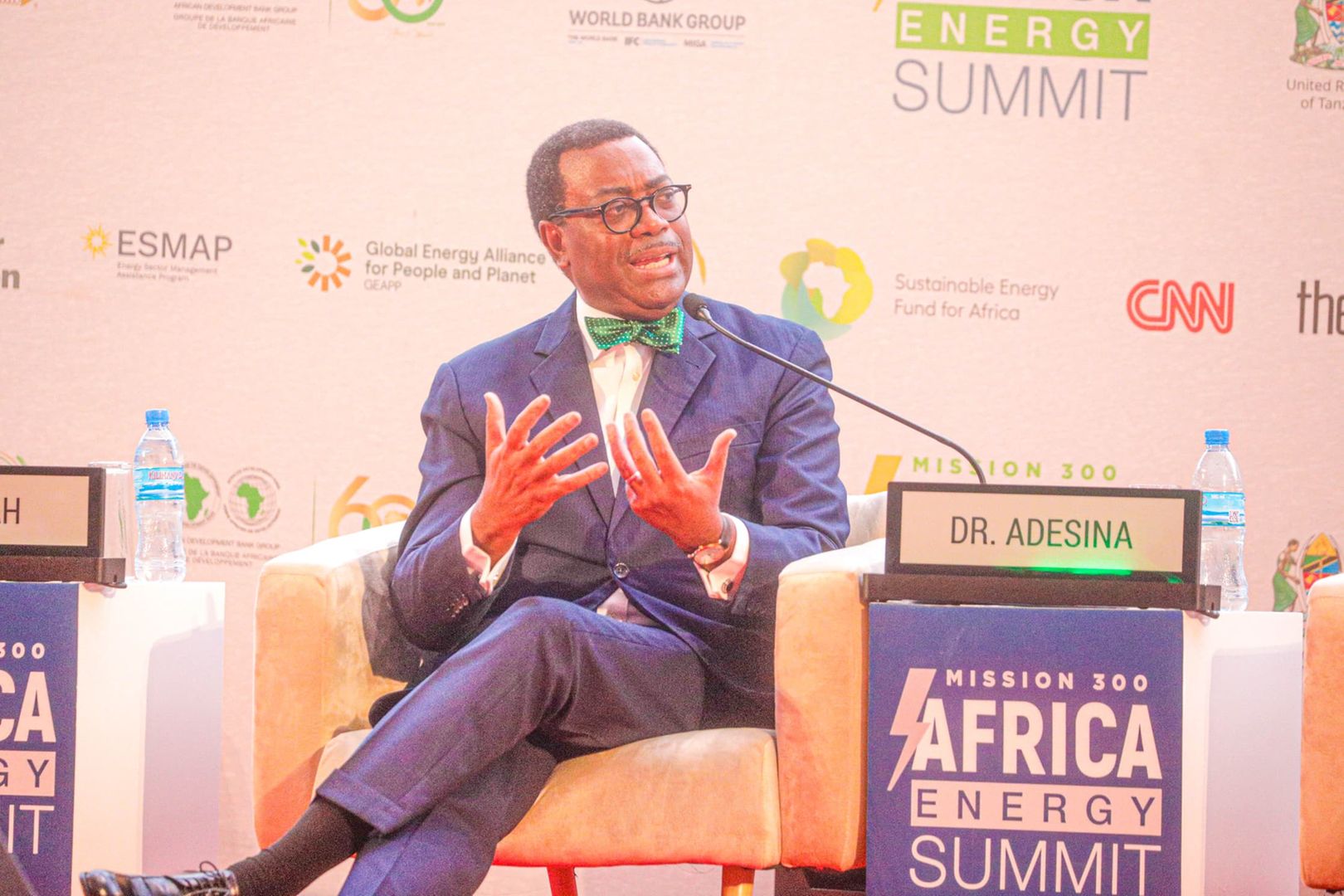
The President of the African Development Bank (AfDB), Dr. Akinwumi Adesina, has issued a stark warning about Nigeria’s economic trajectory, revealing that the country is in a far deeper state of economic regression than many Nigerians realise.
He disclosed that with a current GDP per capita of just $824, Nigerians are now significantly poorer than they were at independence in 1960, when the figure stood at $1,847.
Dr. Adesina made these comments in a statement released on Thursday, following his keynote address at the 20th anniversary dinner of Chapel Hill Denham, an investment banking firm, held in Lagos.
“Today, Nigerians are worse off than they were 64 years ago,” Adesina declared, adding that while Nigeria remains Africa’s largest economy by GDP size, its economic structure is fundamentally flawed and unsustainable.
He attributed Nigeria’s deteriorating economic state to decades of policy missteps, institutional fragility, over-dependence on crude oil exports, and chronic underinvestment in critical sectors such as infrastructure, power, manufacturing, and innovation.
“Nigeria belongs in the league of developed nations. To get there, we must shift our mindset and pursue rapid economic growth,” he stated.
Drawing a stark comparison with South Korea—a country that had a lower GDP per capita than Nigeria in 1960—Adesina noted that South Korea now boasts a GDP per capita exceeding $36,000 due to deliberate industrial policies and long-term economic planning.
He stressed that Nigeria’s stagnation is not the result of a lack of potential but rather a failure to harness and mobilize its human and material resources.
“Underdevelopment should not be accepted as our destiny. We must break free from this pattern,” he asserted.
Outlining a roadmap for economic transformation, the AfDB chief identified five urgent priorities for Nigeria: universal access to electricity, development of world-class infrastructure, rapid industrialisation, innovation-driven growth, and a globally competitive agricultural sector.
READ ALSO: AfDB invests $8bn in water infrastructure across Africa
He emphasized the need for Nigeria to adopt bold, structural reforms, warning that superficial policy tweaks will no longer suffice.
“We need to invest in technology, infrastructure, and innovation. We must become Africa’s industrial powerhouse,” he said.
As an example of the scale and ambition required, Adesina pointed to the Dangote Refinery, describing it as a model for private sector-led, large-scale industrial initiatives.
He called on Nigerian policymakers to tap into the country’s vast pension funds, the expertise of its global diaspora, and capital markets to fund such transformative projects.
Importantly, Adesina stressed that any reform agenda must be anchored in strong institutions, consistent policies, and transparent governance. Without these, he warned, Nigeria risks missing out on global opportunities and failing its youthful and growing population.
“The Nigeria of 2050 must be deliberately shaped, developed, corruption-free, and a leader in Africa,” he concluded.
With sub-Saharan Africa representing 80% of the world’s 695 million extremely poor people in 2024, Nigeria’s place in that statistic raises pressing questions about the country’s current economic model and future direction.


-

 Football1 week ago
Banda, Chawinga make 2026 Women’s Ballon d’Or top 30 shortlist
-

 Trending Stories6 days ago
Davido, Wizkid, Burna Boy or Asake: Who is having the biggest 2026 so far?
-
 Football6 days ago
Premier League releases 2026/27 festive fixtures, 7 matches set for Boxing Day
-

 Business4 days ago
Jetour Nigeria, dealers take dashing, other models to Abuja Experience
-

 Business5 days ago
Dangote Refinery IPO shifts spotlight to corporate governance, investor protection
-

 Crime5 days ago
Anambra Police arrest mother over alleged child sexual exploitation
-
 Energy7 days ago
Brent crude tops $100: What higher oil prices mean for Nigeria
-

 Business5 days ago
Naira gains ground as Euro holds around N1,548, reserves hit 18-year high