
Uncategorized
Tinubu’s anti-corruption pledge faces scrutiny amid allegations of selective justice and extravagant spending

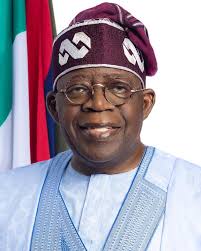
President Bola Ahmed Tinubu on Tuesday reaffirmed his administration’s commitment to the anti-corruption fight, declaring at the Stolen Assets Recovery Summit in Abuja that Nigeria’s resolve to combat graft is “unwavering and unshakable.”
With international delegates and anti-graft institutions in attendance, Tinubu promised to deploy advanced digital tools to trace and recover stolen public funds hidden abroad, asserting that no looter would be beyond the government’s reach.
However, behind the president’s firm rhetoric lies a growing cloud of public skepticism. As his administration marks its second year in office, critics argue that the anti-corruption campaign is beginning to resemble familiar patterns of selective justice and fiscal impunity that have long undermined similar efforts in Nigeria.
While the Economic and Financial Crimes Commission (EFCC) has launched several high-profile investigations since 2023, many observers point to an alarming trend of politically selective prosecutions. Figures linked to opposition parties have faced aggressive pursuit, while members of the ruling All Progressives Congress (APC), some facing serious allegations, appear largely shielded from scrutiny.
“Fighting corruption should not be an act of political theatre,” said Dr. Amaka Oboh, a governance expert. “The true test of an anti-corruption agenda is its impartiality.”
This perceived imbalance is not new to Nigerian politics, but under Tinubu’s administration, critics argue it has become increasingly conspicuous—threatening the credibility of his professed neutrality.
Compounding the skepticism is the government’s pattern of questionable public spending, which many say contradicts its stated commitment to fiscal prudence.
Recent controversies include:
-
Approval of billions of naira for luxury vehicles for lawmakers and ministers;
-
Lavish foreign trips and generous travel allowances for top officials;
-
A swollen list of aides and political appointees, many with undefined roles.
These decisions have drawn widespread criticism, particularly amid the country’s worsening cost of living crisis, rising inflation, and continued economic pressure on ordinary Nigerians.
ALSO READ: Obasanjo shares healthy ageing tips at UCH Geriatric Forum
“You can’t claim to fight corruption and waste funds with such impunity,” said Uche Okonkwo, a civil society activist based in Lagos. “It’s a contradiction that the public sees clearly.”
President Tinubu also announced plans to strengthen anti-corruption institutions through the use of digital technology to track stolen assets worldwide. Yet, civil society groups say there is little public evidence of these tools being operational, or of any significant impact on asset recovery under his administration.
Calls for stronger whistleblower protections, real-time transparency portals, and procurement tracking systems have so far gone unheeded. These tools, experts argue, are crucial to institutionalizing accountability in Nigeria’s governance system.
While the president cited the use of recovered funds for infrastructure projects such as the Second Niger Bridge, the Abuja-Kano Expressway, and the Lagos-Ibadan Expressway, analysts note that many of these projects predate his administration and were initiated under previous governments.
Moreover, the lack of detailed reporting on the management and disbursement of recovered assets continues to fuel doubts about the administration’s commitment to transparency.
In his address, Tinubu called on Nigerians to unite in the fight against corruption. Yet, for many citizens, unity seems unlikely in an environment where justice appears politicized and public funds are spent without accountability.
Analysts argue that if the administration is truly committed to change, it must go beyond summit declarations. What’s needed, they say, is a bold reform of key institutions, equal enforcement of anti-corruption laws, and a shift away from government extravagance.
“Nigerians have heard these pledges before,” said Dr. Oboh. “Now, they’re watching to see if this time will be any different.”


-
 Latest5 days ago
Israel marks 3 years since October 7 Hamas attack amid Gaza strikes, election debate
-
 Energy5 days ago
Fuel Battle: Dangote, marketers and government clash over petrol imports
-
 Energy6 days ago
Petrol, diesel prices rise 86% in 2026 as costs hit fresh highs
-
 Energy7 days ago
Has Iran lost control of the Strait of Hormuz? Oil flows rebound as war disruptions persist
-

 Football6 days ago
Nigeria’s World Cup exit under spotlight as FIFA’s DR Congo files emerge
-

 Latest6 days ago
US Court set to rule on release of FBI, DEA records on Tinubu
-
 Business6 days ago
Nigerian investors at a crossroads as fixed-income yields slide
-

 Business7 days ago
LoveWorld Trade and Investment Forum to Convene Business Leaders in Accra