
Business
AfDB warns Nigeria may spend 75% of revenue on debt interest by 2025

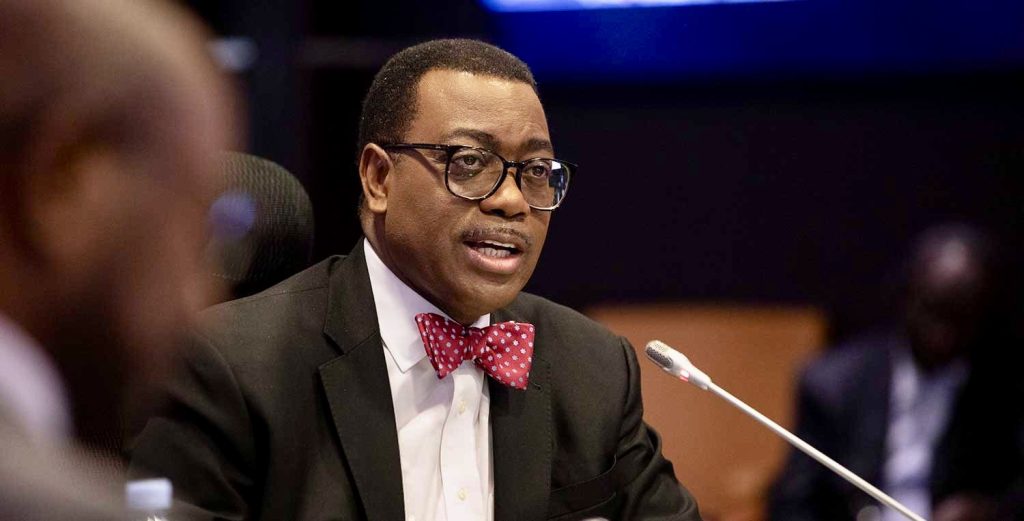
The African Development Bank (AfDB) has issued a stark warning over Nigeria’s growing debt servicing burden, projecting that the country will spend 75% of its total revenue on interest payments alone in 2025.
The warning is contained in the AfDB’s newly released 2025 African Economic Outlook, themed “Making Africa’s Capital Work Better for Africa’s Development.” According to the report, despite Nigeria’s debt-to-GDP ratio being relatively moderate—projected at 47%—the country’s debt remains highly burdensome due to its low revenue base.
“Nigeria presents a classic case. A low debt-to-GDP ratio doesn’t automatically indicate debt sustainability. What matters more is how much of a government’s revenue is consumed by debt service,” the AfDB stated.
READ ALSO: Nigeria’s economy worse than 1960 levels, says AfDB boss
The report highlights a growing concern: debt servicing is absorbing a significant portion of Nigeria’s limited revenues, leaving little room for development spending. This trend, the Bank warns, threatens long-term economic growth and fiscal sustainability.
AfDB noted that while many African countries enjoyed reduced debt levels in 2022–2023 due to favorable economic conditions, these gains are fragile. Rising interest rates or slowing economic growth could easily reverse the trend, especially in countries with weak revenue generation like Nigeria.
“Reductions in debt-to-GDP ratios may not translate to greater fiscal space. Servicing debt is not tied to GDP size, but rather to available government revenue,” the Bank explained.
Data from the Central Bank of Nigeria (CBN) reinforces the AfDB’s concerns. Between January and April 2025, Nigeria spent $2.01 billion on external debt servicing—a 50% increase from the $1.33 billion spent in the same period of 2024.
According to the CBN, total international payments during the first four months of 2025 stood at $2.60 billion, with debt servicing alone accounting for 77.1%. In contrast, debt servicing represented 64.5% of foreign exchange outflows in the same period last year.
READ ALSO: AfDB President Adesina: Damaging Dangote’s Business Would Harm Nigeria
This sharp rise in debt payments has significantly depleted Nigeria’s foreign exchange reserves, which dropped by about $3 billion during the period. Analysts warn this trend is crowding out essential dollar-based expenditures such as import payments, trade transactions, and development financing.
The AfDB urged Nigerian authorities to prioritize domestic revenue mobilization, strengthen public financial management, and avoid excessive commercial borrowing that could further erode fiscal space.
As the debt burden mounts, economists are calling for urgent fiscal reforms to prevent a full-blown debt crisis that could undermine Nigeria’s economic recovery and future growth.


-
 Latest1 week ago
Israel marks 3 years since October 7 Hamas attack amid Gaza strikes, election debate
-

 Energy1 week ago
Fuel Battle: Dangote, marketers and government clash over petrol imports
-

 Latest2 days ago
Full List: Meet the 2026 Nobel Prize winners across six categories
-
 Featured6 days ago
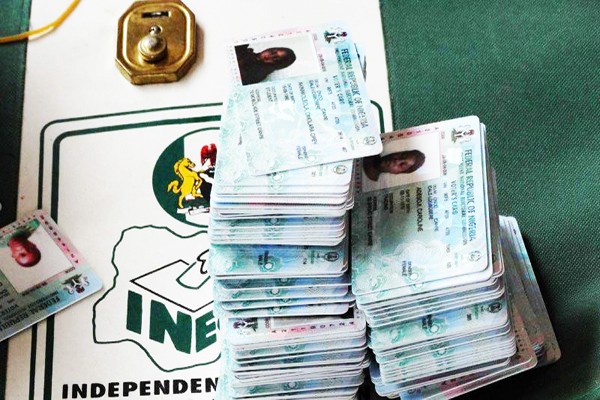
103 Million Voters: What does INEC’s new register say about Nigeria’s population?
-

 Business1 week ago
Nigerian startup 3650HQ moves to cut rising WhatsApp costs for businesses
-

 Football2 days ago
Premier League Matchweek 7: Five Fixtures That Could Shape the Weekend
-

 Business7 days ago
The Ministry of Commerce of Loveworld gets a $1 million boost for new investment fund at LTIF 2026 to promote Trade in Ghana
-

 Features7 days ago
Edo’s 2.5 million vote promise: Can the numbers match the politics?