
Business
Currency volatility may persist in H2 2025 without stronger fiscal-monetary coordination, analysts warn


As Nigeria steps into the second half of 2025, economic analysts have raised fresh concerns about the lingering instability in the foreign exchange market, warning that without stronger synergy between fiscal and monetary policies, the volatility of the naira may continue unchecked.
Despite ongoing efforts by the Central Bank of Nigeria (CBN) to stabilize the foreign exchange (FX) market, experts argue that the root causes of the naira’s troubles remain unaddressed.
The country’s continued over reliance on oil exports for foreign exchange earnings, coupled with weak non-oil export growth and limited structural reforms, is undermining FX resilience and broader economic stability.
“Currency markets are forward-looking. Without policy coherence, market participants will continue to bet against the naira,” said Dr. Mayowa Oje, a Lagos-based economist.
“We need tighter fiscal discipline alongside a credible monetary strategy that focuses not just on inflation targeting, but on exchange rate stability and investor confidence.”
READ ALSO: Naira holds firm amid historic FX market shift as global currency pressures mount
The current volatility, analysts say, is also exacerbated by low levels of foreign investment and a shallow FX reserve base, which is further strained by rising external debt obligations and subsidy-related expenditures.
“Beyond monetary tightening, Nigeria needs to deepen its fiscal reforms, especially around revenue mobilization and export diversification,” noted Nkiru Adebayo, a trade policy analyst. “We can’t build a resilient currency on oil alone, especially when global oil markets are this uncertain.”
With OPEC+ planning a phased increase in oil production, which may pressure global prices downward, Nigeria’s earnings outlook could weaken further. This has heightened the urgency for broader structural reforms, including value-added exports, digital economy growth, and improved infrastructure to boost industrial output.
Analysts agree that unless Nigeria leverages the second half of the year to implement deep, coordinated reforms, the naira could face renewed pressure, prolonging macroeconomic uncertainty and weakening the country’s ability to attract long-term capital inflows.


-

 Latest6 days ago
US Immigration fees rise from October 16 as USCIS announces new charges
-
 Latest1 day ago
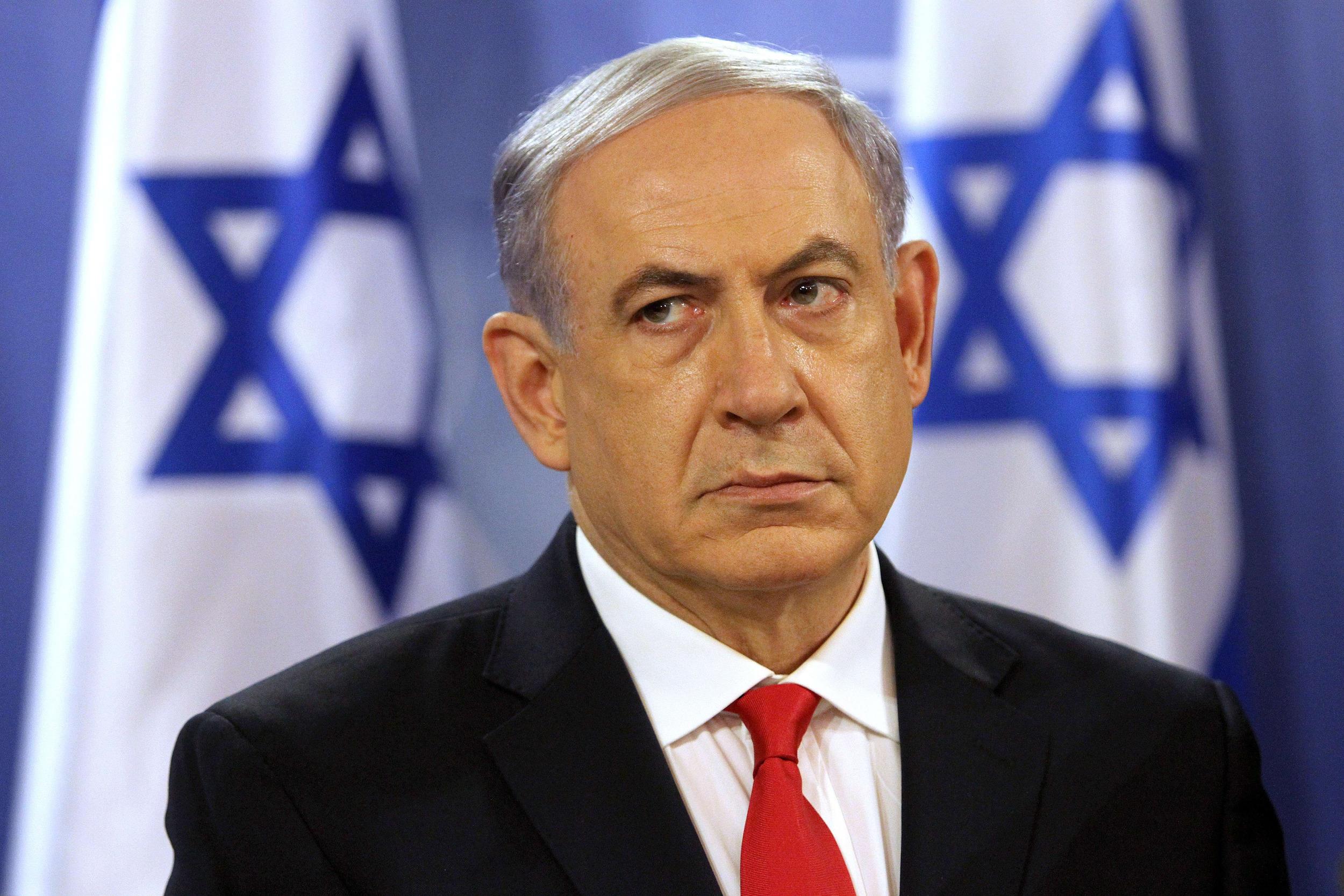
Israel marks 3 years since October 7 Hamas attack amid Gaza strikes, election debate
-

 Business6 days ago
Nigeria’s $55bn reserves raise fresh questions over naira value
-

 Health5 days ago
Florida sues Pfizer over deceptive COVID-19 vaccine marketing
-

 Business1 week ago
Tuoyo Erikowa wins digital marketing personality of the Year at 2026 EDGE awards
-

 Crime5 days ago
From camp to captivity: How kidnappers now target NYSC Corps members on highways
-

 Featured6 days ago
2027: Can Nigeria’s opposition still unite behind a single presidential candidate?
-

 Crime5 days ago
Fulani Militia leader linked to Christian killings arrested in Plateau