
Business
Naira strengthens in parallel market, signals respite after May volatility

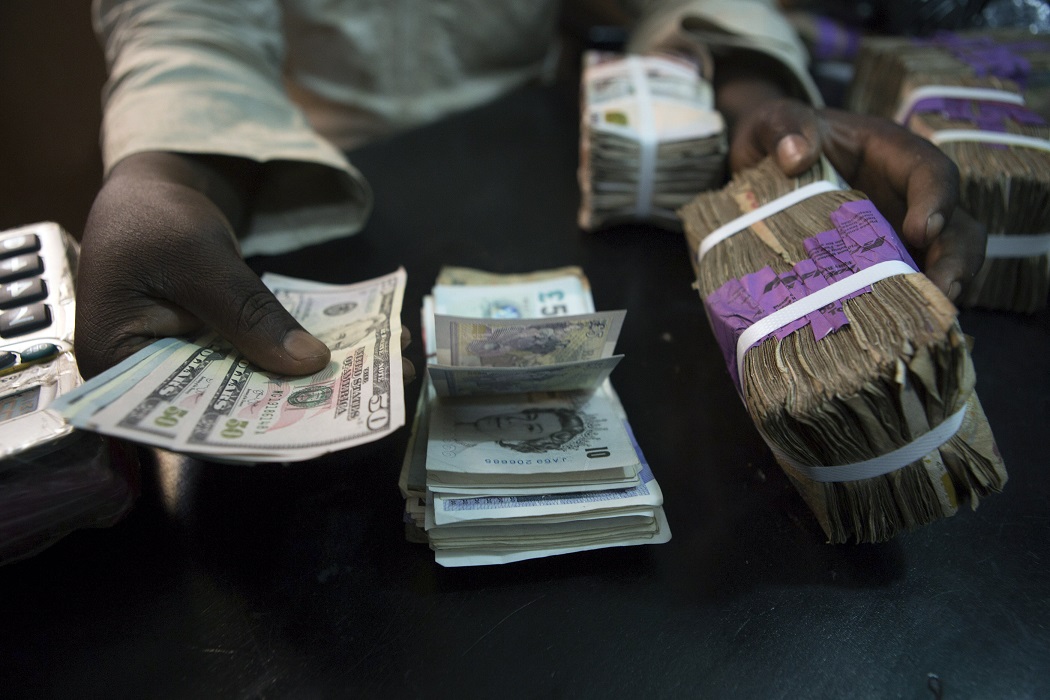
The naira appreciated to N1,610 per US dollar in the parallel market on Monday, marking a notable recovery from Friday’s rate of N1,630/$1, according to currency dealers in Lagos.
This gain follows a month of turbulent trading in May, during which the local currency weakened by 1.24 per cent in the black market.
Throughout May, the naira exhibited fluctuating performance, hitting its lowest point at N1,635/$1 on May 15.
However, from May 21 to May 29, the currency traded within a relatively narrow range of N1,618/$1 to N1,625/$1, suggesting a measure of short-term stability despite persistent depreciation pressures.
The month began with the naira exchanging at N1,610/$1, before slipping gradually as market sentiment fluctuated.
Data from the Central Bank of Nigeria (CBN) shows that the official market painted a slightly more optimistic picture, with the naira trading between N1,579/$1 and N1,592/$1 between May 23 and May 30.
This performance contrasts with the early days of May, when the official rate hovered between N1,607/$1 and N1,612/$1. Overall, the CBN reported a 1.28 per cent gain in the naira’s value across May in the official market.
The naira also recorded gains against other major currencies in the parallel market.
On Monday, it traded at N2,175/£1, strengthening from Friday’s rate of N2,190/£1. Against the euro, the naira appreciated to N1,810/€1 from N1,815/€1 recorded at the end of last week.
These gains indicate a temporary easing of pressure on the naira, possibly supported by recent policy interventions and improved investor sentiment.
However, analysts warn that the parallel market remains highly volatile and the naira’s resilience may not be sustainable without structural economic reforms and enhanced foreign exchange reserves.
READ ALSO: Naira gains 1.28% in official market in May amid oil price risks, currency volatility
Adding to the cautious optimism is the recent upgrade of Nigeria’s sovereign credit rating by Moody’s Investors Service. The global ratings agency raised Nigeria’s rating from Caa1 to B3, citing significant improvements in the country’s external balance and fiscal outlook.
“The recent overhaul of Nigeria’s foreign exchange management framework has markedly improved the balance of payments and bolstered the Central Bank of Nigeria’s foreign exchange reserves,” Moody’s stated in its report last week.
The upgraded rating reflects growing international confidence in Nigeria’s economic trajectory. Key contributors to the improved outlook include efforts to reduce inflationary pressures and stabilize borrowing costs through more coherent fiscal and monetary policies.
Reacting to the development, President Bola Tinubu over the weekend lauded the rating as a validation of his administration’s economic reform agenda.
He emphasized that the improved investor confidence demonstrates Nigeria’s commitment to unlocking economic potential and achieving sustainable growth.
As the naira shows signs of strengthening, economic observers remain cautiously hopeful that the government’s ongoing reforms will foster greater macroeconomic stability in the months ahead.


-
 Latest1 week ago
Israel marks 3 years since October 7 Hamas attack amid Gaza strikes, election debate
-

 Energy1 week ago
Fuel Battle: Dangote, marketers and government clash over petrol imports
-

 Latest2 days ago
Full List: Meet the 2026 Nobel Prize winners across six categories
-
 Featured6 days ago
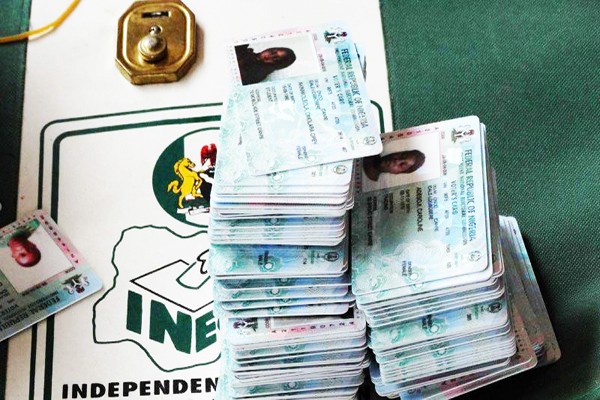
103 Million Voters: What does INEC’s new register say about Nigeria’s population?
-

 Business1 week ago
Nigerian startup 3650HQ moves to cut rising WhatsApp costs for businesses
-

 Football2 days ago
Premier League Matchweek 7: Five Fixtures That Could Shape the Weekend
-

 Business7 days ago
The Ministry of Commerce of Loveworld gets a $1 million boost for new investment fund at LTIF 2026 to promote Trade in Ghana
-

 Features7 days ago
Edo’s 2.5 million vote promise: Can the numbers match the politics?