
Latest
Peter Obi backs subsidy removal, Naira float — criticizes Tinubu’s haphazard implementation

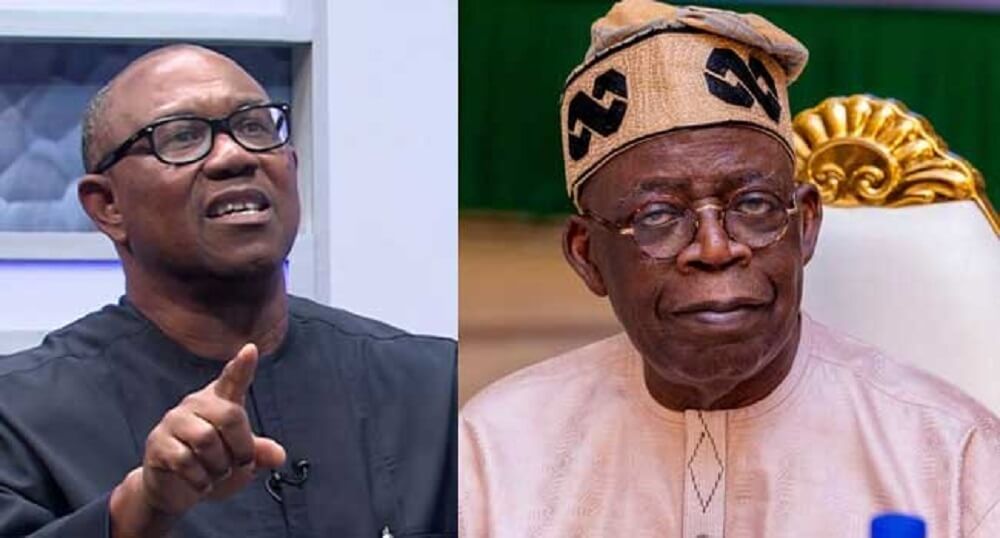
Former Governor of Anambra State and 2023 Labour Party presidential candidate, Peter Obi, has voiced support for the removal of petrol subsidy and the floating of the naira, but sharply criticized the Bola Tinubu administration for what he described as poor and hurried execution of both economic policies.
Speaking during an interview aired Monday on Arise Television, Obi emphasized that while he agrees with the reforms in principle, their unstructured implementation has deepened the hardship Nigerians face.
“There is nothing wrong with removing fuel subsidy,” Obi said.
“What is wrong is the haphazard way in which it was announced and implemented.”
He noted that subsidy removal and exchange rate liberalization were part of his own proposed economic agenda, had he won the 2023 election. However, he stressed that such structural changes require a gradual, data-driven, and inclusive process to minimize shocks to the most vulnerable citizens.
Obi questioned the lack of transparency and results from the funds reportedly saved since the subsidy ended.
“We were told it would save money and reduce borrowing, but where is the money saved? What critical infrastructure has been improved since then?” he asked.
Obi, well-regarded for his cost-cutting approach to governance in Anambra, lamented that key sectors like health, education, and poverty alleviation have seen little to no improvement despite the removal of fuel subsidy, which reportedly saved the government hundreds of billions of naira.
He also faulted the floating of the naira, describing it as premature and poorly timed.
“You float a currency when your economy can absorb the shock,” Obi said. “You don’t do that when your agriculture and manufacturing sectors are underperforming.”
READ ALSO: Ndume distances self from Tinubu’s 2027 endorsement
He advocated for strengthening domestic production and building economic resilience before introducing a market-driven exchange rate system. Obi suggested that the federal government should have engaged stakeholders — including fuel marketers, manufacturers, and trade unions — in pre-reform dialogue to ensure a more measured and sustainable transition.
President Bola Tinubu, in his May 29, 2023, inauguration speech, ended Nigeria’s decades-long fuel subsidy regime — a move that saw petrol prices surge from ₦190 to over ₦500, and later climb above ₦850 per litre. This was followed by the introduction of a floating exchange rate system, which led to a steep depreciation of the naira.
While global financial institutions like the IMF and World Bank commended the reforms as steps toward long-term macroeconomic stability, the immediate impact on Nigerians has been painful — marked by rising inflation, food insecurity, and limited social safety nets.
Obi’s criticism adds to a growing chorus calling for a more human-centered and phased approach to economic reform, especially in a country where over 60% of the population lives in multidimensional poverty.
“Economic reform should be about improving lives, not just ticking policy boxes,” Obi concluded.


-
 Latest1 week ago
Israel marks 3 years since October 7 Hamas attack amid Gaza strikes, election debate
-
 Energy1 week ago
Fuel Battle: Dangote, marketers and government clash over petrol imports
-
 Latest2 days ago
Full List: Meet the 2026 Nobel Prize winners across six categories
-

 Latest1 week ago
US Court set to rule on release of FBI, DEA records on Tinubu
-
 Featured6 days ago
103 Million Voters: What does INEC’s new register say about Nigeria’s population?
-
 Business1 week ago
Nigerian investors at a crossroads as fixed-income yields slide
-

 Business1 week ago
Nigerian startup 3650HQ moves to cut rising WhatsApp costs for businesses
-

 Latest1 week ago
Oyo APC crisis deepens as Oluyole reconciliation meeting ends in brawl