
Business
Nigeria’s inflation eases for second month despite soaring food prices

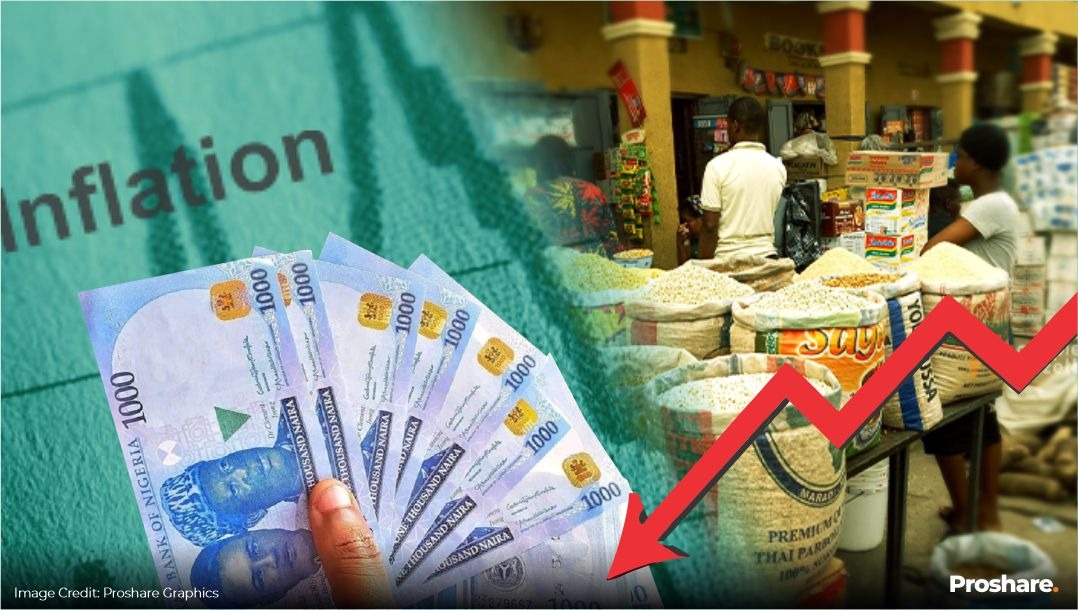
Nigeria’s inflationary pressures showed signs of easing for the second consecutive month, with the food inflation rate declining to 21.14 percent in May 2025, down from 21.26 percent in April, according to the latest Consumer Price Index (CPI) report released Monday by the National Bureau of Statistics (NBS).
Similarly, the country’s headline inflation—which measures the total increase in the cost of goods and services—also dipped, falling to 22.97 percent in May from 23.71 percent the previous month.
The data comes as a mild relief for Nigerians, many of whom continue to grapple with high living costs and record prices for everyday items such as rice, yam, bread, and cooking oil. The easing of inflation, however, has prompted both cautious optimism and renewed scrutiny of government economic policy.
According to the NBS, “The food inflation rate in May 2025 was 21.14 percent on a year-on-year basis, representing a second consecutive month of decline after peaking earlier this year.”
Dr. Ayo Teriba, CEO of Economic Associates, described the trend as “encouraging, but not yet sufficient to suggest lasting stability.” He noted that while the figures indicate a slowdown in price acceleration, the current inflation levels remain well above the Central Bank of Nigeria’s target range.
“The drop could be seasonal or statistical, not necessarily structural,” Teriba cautioned. “We are yet to see aggressive food supply interventions or productivity reforms that can drive long-term disinflation.”
Echoing this sentiment, Dr. Hauwa Bello, a lecturer in Agricultural Economics at Ahmadu Bello University, pointed out that the easing inflation rate does not reflect actual price reductions, especially in rural markets.
“Food prices are still rising, just at a slightly slower pace. The average Nigerian doesn’t feel the difference when a bag of rice costs over ₦80,000. So while the inflation rate may fall, real household burdens remain elevated,” she explained.
READ ALSO: Inflation Bites: How Nigerians are adjusting to soaring food prices
In April, the Central Bank of Nigeria’s Monetary Policy Committee (MPC) responded to the earlier inflation dip by holding the benchmark interest rate steady at 27.50 percent, indicating a wait-and-see approach amidst macroeconomic uncertainties.
Analysts say the latest data may give the CBN some room to maintain this posture, especially if the trend continues in June.
However, there are growing calls for the government to go beyond monetary tightening and focus more on structural reforms in agriculture, energy, and transportation to stabilize prices sustainably.
Despite the slight decline, inflation remains fueled by multiple challenges, including: High transportation costs due to persistent fuel scarcity and forex volatility; insecurity in key food-producing regions like Benue, Zamfara, and Kaduna; currency depreciation impacting the cost of imported goods and inputs and high logistics and market access costs for rural farmers
Economist and policy analyst, Dr. Bamidele Olayinka, warned that without decisive interventions, the recent drop could reverse quickly. “We are one major fuel price hike or currency shock away from a fresh inflation spike,” he said.
The next MPC meeting, scheduled for July 2025, will be closely watched for signs of any change in the CBN’s monetary strategy in light of the evolving inflation trend.


-
 Latest6 days ago
Israel marks 3 years since October 7 Hamas attack amid Gaza strikes, election debate
-

 Energy6 days ago
Fuel Battle: Dangote, marketers and government clash over petrol imports
-

 Energy1 week ago
Petrol, diesel prices rise 86% in 2026 as costs hit fresh highs
-

 Football7 days ago
Nigeria’s World Cup exit under spotlight as FIFA’s DR Congo files emerge
-

 Energy1 week ago
Has Iran lost control of the Strait of Hormuz? Oil flows rebound as war disruptions persist
-

 Latest22 hours ago
Full List: Meet the 2026 Nobel Prize winners across six categories
-

 Latest7 days ago
US Court set to rule on release of FBI, DEA records on Tinubu
-

 Business7 days ago
Nigerian investors at a crossroads as fixed-income yields slide