
Business
Banks clear 95% of USSD debt as telecom operators begin end-user billing migration

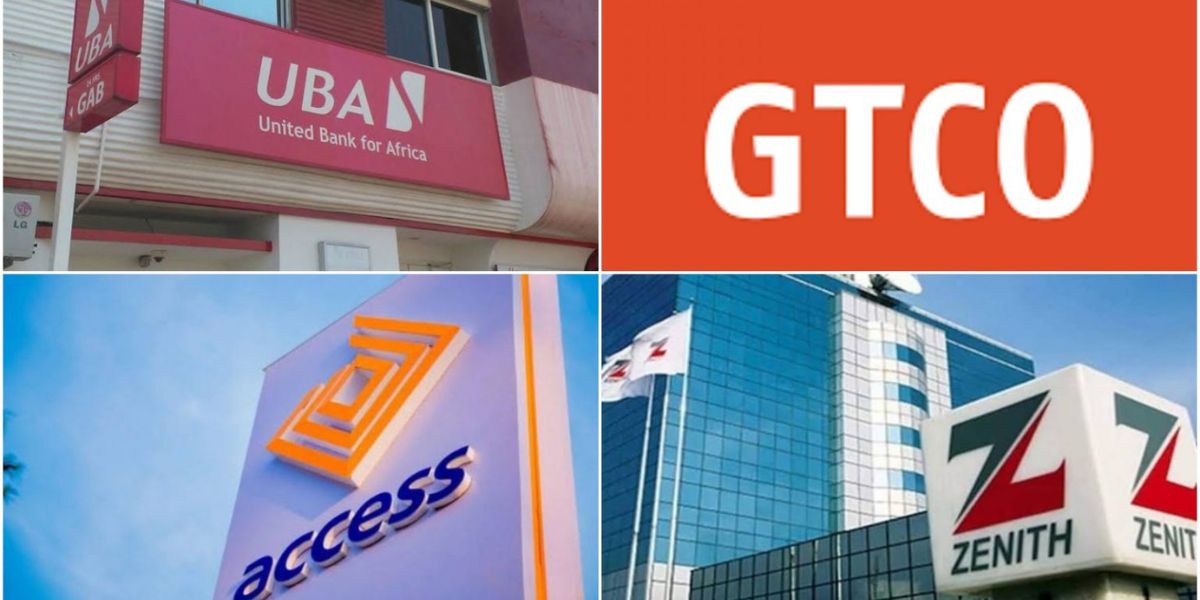
Commercial banks in Nigeria have settled 95% of their outstanding debt to telecommunications operators for Unstructured Supplementary Service Data (USSD) services, paving the way for a full-scale implementation of the end-user billing model.
This was disclosed by the Chairman of the Association of Licensed Telecommunications Operators of Nigeria (ALTON), Engr. Gbenga Adebayo, during a virtual media briefing on Thursday.
Adebayo revealed that out of the N180 billion owed as of January 2025, nearly all has been cleared, with only three banks remaining to finalize their repayment through agreed instalments.
“The banks have shown good faith in settling their debts. Only three institutions are left to pay the final tranche of their outstanding amounts. This repayment has cleared the path for the industry-wide shift to end-user billing,” Adebayo said.
The end-user billing system, which officially commenced on Wednesday, June 18, in compliance with a directive from the Nigerian Communications Commission (NCC), shifts the payment responsibility for USSD services from banks to individual mobile subscribers.
Under the new model, customers will now have USSD service charges deducted directly from their airtime balances, rather than their bank accounts.
Adebayo clarified that the migration is not mandatory. “Banks that prefer to retain the existing corporate billing model may do so, provided they have cleared all previous debts and ensure timely settlements going forward,” he explained.
According to him, one major Nigerian bank has already been successfully migrated to the end-user billing system, with early results described as “positive.” Migration of other banks is currently ongoing, with telecom operators ensuring seamless integration.
Adebayo emphasized that telecom operators are committed to ensuring transaction integrity and will bear responsibility for billing accuracy.
He, however, warned that failed transactions due to bank-side issues would still be charged if successfully processed by telecom operators.
“If a USSD session fails on the telco side, no deduction will occur. But if the transaction is successful on our end and fails at the bank’s end, the customer will still be billed. Customers experiencing double deductions—both airtime and bank account—must immediately contact their banks,” he said.
READ ALSO: Telcos accuse Banks of misleading public over USSD billing directive
Speaking on the impact of the new billing regime, the Chief Enterprise Business Officer of MTN Nigeria, Lynda Saint-Nwafor, assured customers that there would be no increase in charges.
“Customers will continue to pay the same N6.98 per 120-second session. The only change is the billing channel—from bank account to mobile airtime,” Saint-Nwafor explained.
She added that the NCC has directed telecom operators to submit monthly performance data and provide standardized error messaging to promote transparency and customer confidence.
The migration to end-user billing stems from the NCC’s Determination of USSD Pricing and Services, developed in collaboration with the Central Bank of Nigeria (CBN) and other stakeholders.
The policy aims to create a sustainable, transparent, and user-friendly ecosystem for delivering USSD services—critical in Nigeria’s growing digital and financial inclusion landscape.
ALTON reaffirmed that the new model will enhance efficiency, reduce payment disputes, and streamline the delivery of USSD-based services, including mobile banking and fintech platforms.
As the new system takes root, telecom operators and regulators are expected to closely monitor its impact on service delivery and customer satisfaction, while banks continue efforts to conclude outstanding repayments.


-

 Latest2 days ago
Pastor Chris Oyakhilome announces mother’s passing at 88 [VIDEO]
-

 Football5 days ago
Saka: England still carry World Cup scar
-

 Comments and Issues1 week ago
Sometimes, goodwill finds us through the people we love
-

 Latest3 days ago
Arsenal eye €70-80m move for Real Madrid star
-

 Business6 days ago
CBN reduces MPR by 350bps to 23% in major monetary policy shift
-

 Latest2 days ago
How adulterated palm oil, coloured pepper are putting consumers at risk
-

 Crime3 days ago
Police arrest suspect, launch manhunt for 2 others over Delta Education Director’s death
-

 Crime2 days ago
Deaths in NSCDC Custody: Can Nigeria guarantee the safety of detainees?