
Business
Nigeria, other oil-dependent nations face fresh fiscal pressure as oil price slumps

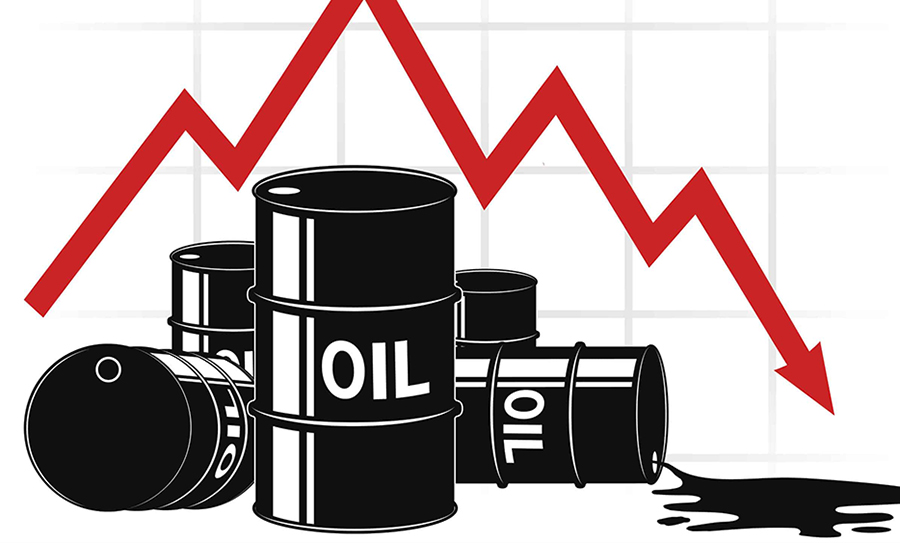
As Brent crude oil prices fall to $66.17 per barrel, slipping well below Nigeria’s 2025 budget benchmark of $73, concerns are intensifying over the financial outlook of oil-dependent economies.
The latest price plunge — triggered by a reduction in Middle East tensions — offers temporary relief to global consumers but presents serious fiscal challenges for petroleum-exporting nations like Nigeria.
Oil prices had spiked earlier in June following U.S. airstrikes in Iran, prompting fears of a regional escalation. However, Iran’s decision not to retaliate by closing the Strait of Hormuz, a critical energy chokepoint, brought unexpected calm to the markets.
Since then, crude prices have dropped sharply from $77.08 to $66.17 per barrel, sparking fresh anxiety among economic planners in Abuja and other capitals reliant on oil revenues.
“Nigeria’s 2025 budget is built on a $73 per barrel benchmark, so any sustained decline below that poses a major risk to fiscal stability,” warned Dr. Wale Oni, an energy economist at the University of Ibadan. “We’re looking at possible revenue shortfalls, budget deficits, and increased borrowing if this continues.”
Oil accounts for over 70% of Nigeria’s government revenue and nearly all its foreign exchange earnings. With prices now trading almost $7 below the national benchmark, fears of budget recalibration and macroeconomic strain are resurfacing.
“Lower oil prices translate to reduced inflows to the Central Bank, declining foreign reserves, and pressure on the naira,” said Dr. Zainab Musa, a macroeconomic analyst at the Centre for Fiscal Responsibility. “That also makes debt servicing more expensive, especially for external borrowings.”
READ ALSO: Conoil profit plunges 93% amid rising finance costs, working capital strain
According to Amaka Nwosu, an oil market strategist with Petrologix Consult, the current price environment could have looked dramatically different if Iran had opted for a more aggressive stance.
“The Strait of Hormuz handles over 20 million barrels per day. A shutdown — even briefly — could’ve sent prices surging past $90 per barrel,” she said. “But Iran’s tactical restraint averted panic buying, reserve releases, and a possible military standoff.”
Still, Nwosu cautioned that Saudi Arabia’s Petroline pipeline, which partially bypasses the strait, gives some Gulf states a buffer — a luxury Nigeria and other African producers lack.
Despite the current easing in tensions, global analysts warn the Middle East conflict remains unresolved, with underlying hostilities between Iran and Israel still capable of jolting markets at any moment.
“This is merely a tactical pause in a broader geopolitical standoff,” said Khalid Ahmed, a geopolitical analyst at the Energy Security Institute. “Any escalation around Gulf energy infrastructure — pipelines, ports, refineries — could trigger a sharp rebound in oil prices.”
This uncertainty has left commodity markets in a precarious state, swinging between geopolitical risk premiums and economic fundamentals tied to slowing global demand.
Energy analyst Kehinde Ogundipe of EnergyFront Nigeria warned that the price slide could derail the federal government’s ongoing fiscal consolidation efforts and complicate key public sector programmes.
“The government is banking on oil earnings to fund infrastructure and social investments,” Ogundipe said. “If crude lingers around $66 or lower, we may see a resurgence in deficit financing through borrowing, or even a return to fuel subsidies — which would reverse years of reform.”
Already facing public pressure over inflation and currency volatility, Nigeria’s policymakers are now grappling with the prospect of revenue contraction amid rising external debt obligations and domestic spending needs.
While international oil prices remain volatile, economists agree that Nigeria must accelerate non-oil revenue generation, diversify exports, and shore up its fiscal buffers if it hopes to weather another prolonged downturn in crude prices.
“The era of easy petrodollars is over,” Dr. Musa said. “Nigeria must urgently recalibrate its economic playbook or risk a deeper fiscal crisis in the months ahead.”


-

 Health6 days ago
ISRT 2026: Global experts converge in Lagos to advance cancer care across Africa
-

 Football6 days ago
Ballon d’Or 2026: The key rules shaping the race for football’s biggest prize
-

 Business6 days ago
Versat Automobile to launch Chery’s EXEED premium brand in Nigeria
-

 Entertainment1 week ago
Miss World 2026: Meet 24 African Contestants Flying Continent’s Flag in Vietnam(VIDEO)
-
 Comments and Issues7 days ago
Digital Rights and the 2027 Poll in Nigeria
-

 Business4 days ago
Olufemi Olaiya to deliver keynote at Africa Business & Enterprise Conference 2026
-

 Comments and Issues5 days ago
Yes, many kidnappers are embedded in the Nigeria Police
-
 Energy7 days ago
Petrol Price War: Where are Nigerians getting the cheapest fuel?