
News
Lagos blames Atlantic tidal surge for flash flooding, assures quick drainage

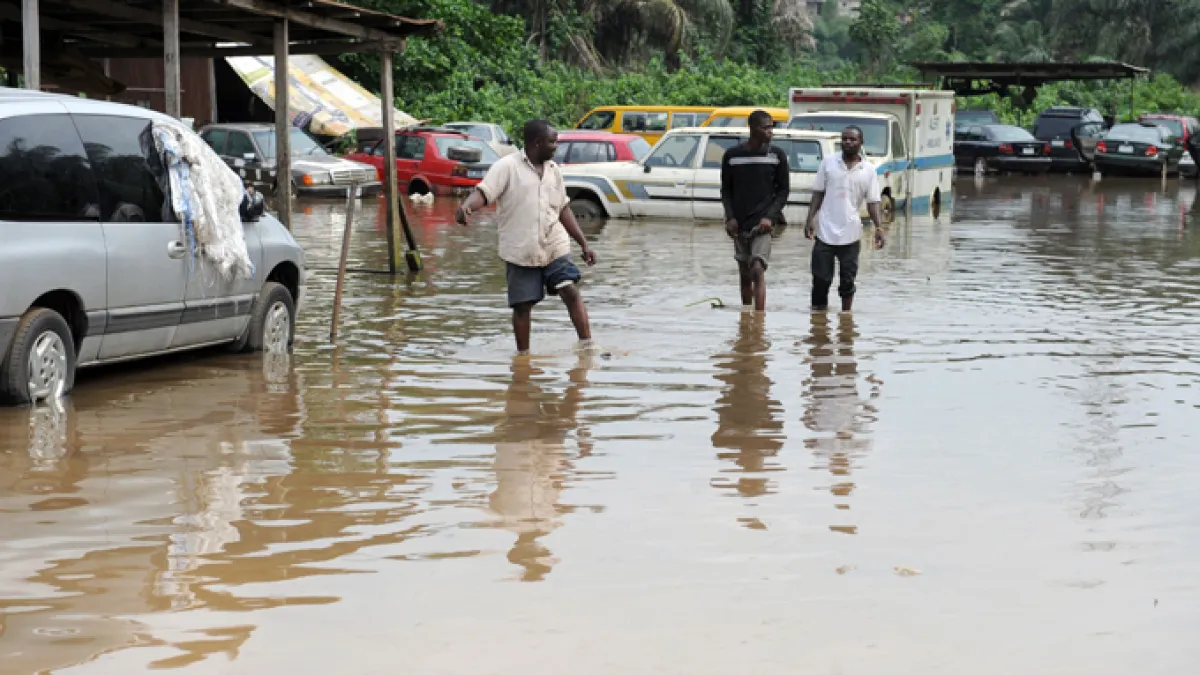
The Lagos State Government has attributed the recent flash flooding experienced across parts of the city to a natural tidal phenomenon known as “lock-up,” triggered by unusually high tide levels from both the Atlantic Ocean and the Lagos Lagoon.
The explanation was provided by the Commissioner for the Environment and Water Resources, Tokunbo Wahab, via his official X (formerly Twitter) handle on Wednesday.
According to Wahab, the tidal surge temporarily blocked stormwater from discharging into the sea, causing rainwater to back up and flood low-lying areas across Lagos. He assured residents that the situation is temporary and will resolve naturally within one to two hours after rainfall ends and the tide recedes.
“This natural phenomenon, known as ‘lock-up,’ occurs when high tide temporarily prevents rainwater from discharging into the sea. As a result, stormwater backs up, leading to flash floods in low-lying areas,” Wahab stated.
The commissioner emphasized that emergency response and drainage maintenance teams are actively on the ground to monitor the situation and mitigate disruptions.
READ ALSO: Lagos set to host investment, social impact summits
He also used the opportunity to remind residents of their civic duty to refrain from dumping waste into drains and gutters, a major contributor to drainage blockages and urban flooding.
“Proper waste disposal is essential to building a flood-resilient Lagos,” he said, reiterating the government’s ongoing investment in improving the city’s drainage infrastructure and environmental practices.
The Lagos flooding incident comes amid a wave of extreme weather and flash floods impacting other parts of the world, highlighting the increasing influence of climate-related factors.
In Texas, USA, over 100 lives were lost after heavy rains between July 3 and 4 caused severe flooding along the Guadalupe River. Towns including Kerrville, Hunt, and Ingram, along with nearby summer camps, were worst hit. Rainfall in some areas exceeded 15 inches—far surpassing forecasts—forcing authorities to declare multiple flash flood emergencies.
Similarly, in Ruidoso, New Mexico, flash floods devastated areas already scarred by recent wildfires. The rain triggered mudslides, collapsed bridges, and required emergency rescues. Officials reported significant infrastructure damage and confirmed missing persons.
Experts say these incidents underscore how climate change and environmental mismanagement can amplify the impact of natural events, making communities more vulnerable to sudden weather disasters.
In Lagos, authorities are urging residents to stay informed, avoid flood-prone zones during heavy rainfall, and play their part in maintaining clean drainage systems to support government efforts in building a climate-resilient city.


-

 Featured1 week ago
Inside INEC’s race to prepare for Nigeria’s 2027 elections
-

 Featured1 week ago
2027: APC unveils nationwide campaign timetable, Tinubu to rally in 12 states
-

 Business5 days ago
Naira faces exchange rate gap as Dollar hits N1,380 on parallel market
-
 Business1 week ago
Court dismisses ₦170m Trade Fair contract claim, says Zenith Bank was not a party
-

 Latest1 week ago
Breaking: NNPCL raises petrol price to ₦1,405 per litre amid discount controversy
-

 Featured1 week ago
From kitchen to Supreme Court: Nigerian’s fight over alleged support for terrorists
-

 Football1 week ago
Maresca reveals Guardiola’s reaction to Man City’s 4-2 defeat to PSG
-

 Business7 days ago
NCC launches Internet Governance Working Group to tackle AI risks, boost online safety