
Latest
Lagos holds crucial LG, LCDA elections today amid tensions, high stakes for APC, LP

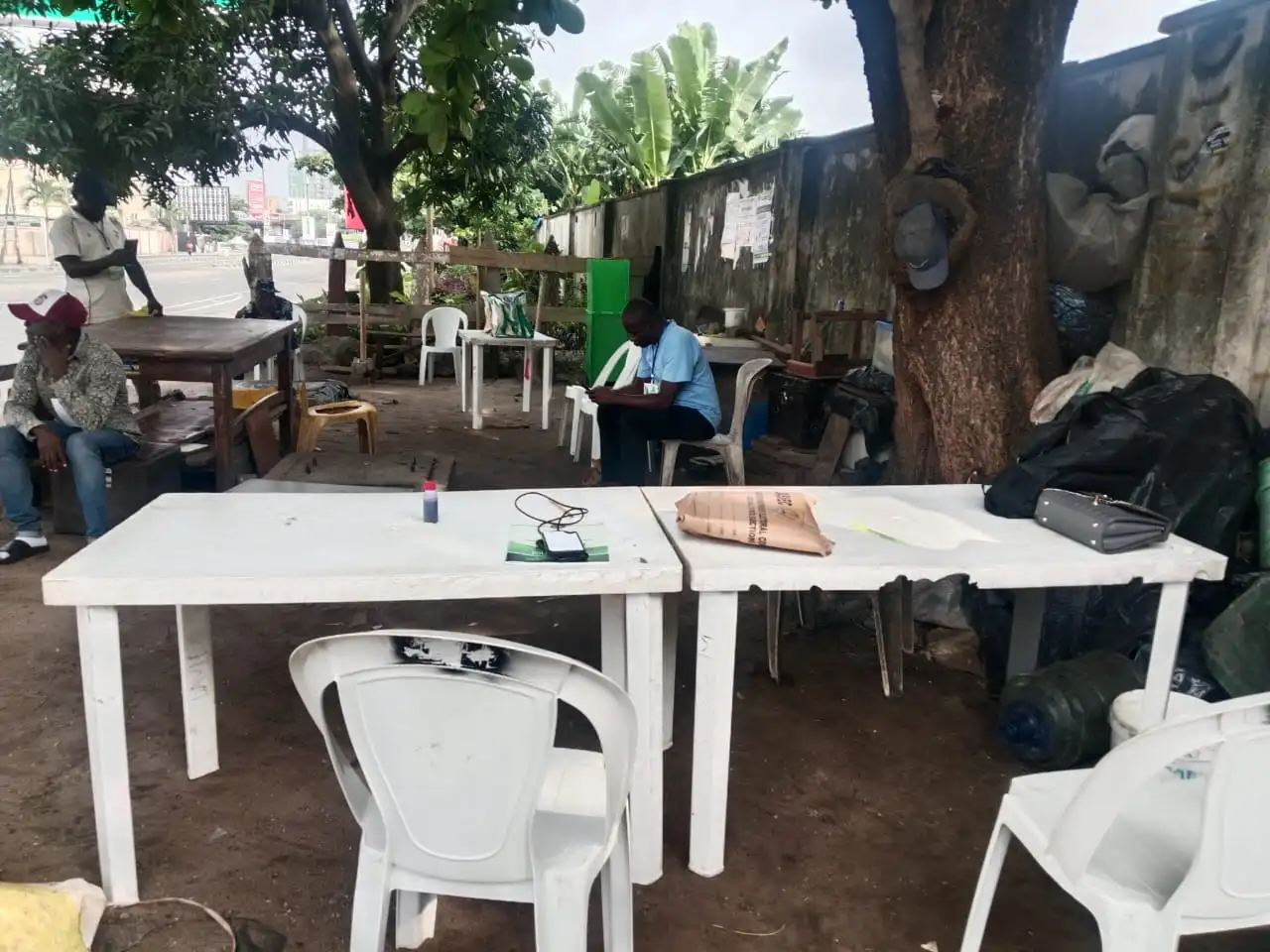
Lagos residents are heading to the polls today, Saturday, July 12, 2025, to elect chairmen and councillors across the state’s 20 local government areas and 37 local council development areas (LCDAs).
Voting is scheduled to commence by 8 a.m. in the 13,325 designated polling units, with election materials and security personnel already deployed across the state to facilitate the process.
Though local government elections in Nigeria are typically characterised by low voter turnout and subdued media coverage, this year’s poll in Lagos is drawing heightened attention.
The election is widely seen as a litmus test for the ruling All Progressives Congress (APC) following notable opposition gains during the 2023 general elections, particularly by the Labour Party (LP).
Political observers view the vote as a referendum not only on Governor Babajide Sanwo-Olu’s administration but also on the enduring political influence of President Bola Ahmed Tinubu in his home state.
The APC remains the dominant force, having maintained uninterrupted control of Lagos State since the return to democratic rule in 1999. The party boasts an entrenched political structure at the grassroots, which it is banking on to secure another clean sweep.
READ ALSO: Delay as LASIEC officials yet to arrive at several polling units
However, the Labour Party is attempting to translate its surprising momentum from the 2023 presidential election—where it won several strategic polling units in areas like Eti-Osa, Amuwo-Odofin, and Surulere—into tangible local-level victories. LP candidates have campaigned vigorously in some local government areas, though party visibility has been uneven across the state.
The Peoples Democratic Party (PDP), once the main opposition in Lagos, has seen a marked decline in activity. Internal crises and waning public support have significantly hampered its ability to mobilise for the polls.
The build-up to the election has not been without controversy. Civil society groups and several opposition figures raised concerns about the Lagos State Independent Electoral Commission’s (LASIEC) preparedness. Chief among these was the delayed publication of the official list of candidates, which was only released on July 8—just four days before the election.
Opposition candidates, particularly from the LP, have also alleged targeted intimidation, destruction of campaign posters, and signs of bias in certain LGAs. In Amuwo-Odofin, one LP candidate went as far as alleging plans to disrupt the voting process, urging LASIEC and security operatives to intervene proactively.
READ ALSO: Analysts warn of systemic threat as ruling parties dominate LG elections
Despite the mounting tensions, LASIEC has assured voters of a free and fair election. Chairperson Justice Ayotunde Phillips (rtd.) reiterated that provisions have been made to accommodate vulnerable voters, including the elderly, pregnant women, and persons with disabilities.
Governor Sanwo-Olu has called on residents to participate actively in the exercise, noting that local government remains the closest tier of governance to the people and plays a critical role in service delivery.
The Lagos State Police Command and other security agencies have also pledged their commitment to maintaining peace and order throughout the voting period. Security operatives are expected to be stationed at every polling unit to forestall any violence or voter intimidation.
While often underappreciated, local government elections are vital to grassroots development. They determine who manages local budgets, oversees public infrastructure such as markets, schools, roads, and sanitation, and plays a key role in mobilising political support ahead of future elections—including the 2027 general polls.
Today’s vote is not just about local leadership—it is a strategic battle for political relevance and influence in Nigeria’s most populous and politically pivotal state.


-

 Latest6 days ago
US Immigration fees rise from October 16 as USCIS announces new charges
-
 Latest1 day ago
Israel marks 3 years since October 7 Hamas attack amid Gaza strikes, election debate
-

 Business6 days ago
Nigeria’s $55bn reserves raise fresh questions over naira value
-
 Health5 days ago
Florida sues Pfizer over deceptive COVID-19 vaccine marketing
-

 Business1 week ago
Tuoyo Erikowa wins digital marketing personality of the Year at 2026 EDGE awards
-

 Crime5 days ago
From camp to captivity: How kidnappers now target NYSC Corps members on highways
-
 Featured6 days ago
2027: Can Nigeria’s opposition still unite behind a single presidential candidate?
-
 Crime5 days ago
Fulani Militia leader linked to Christian killings arrested in Plateau