
Business
NNPCL: GMD Bashir Ojulari faces resignation pressure just 120 days in office

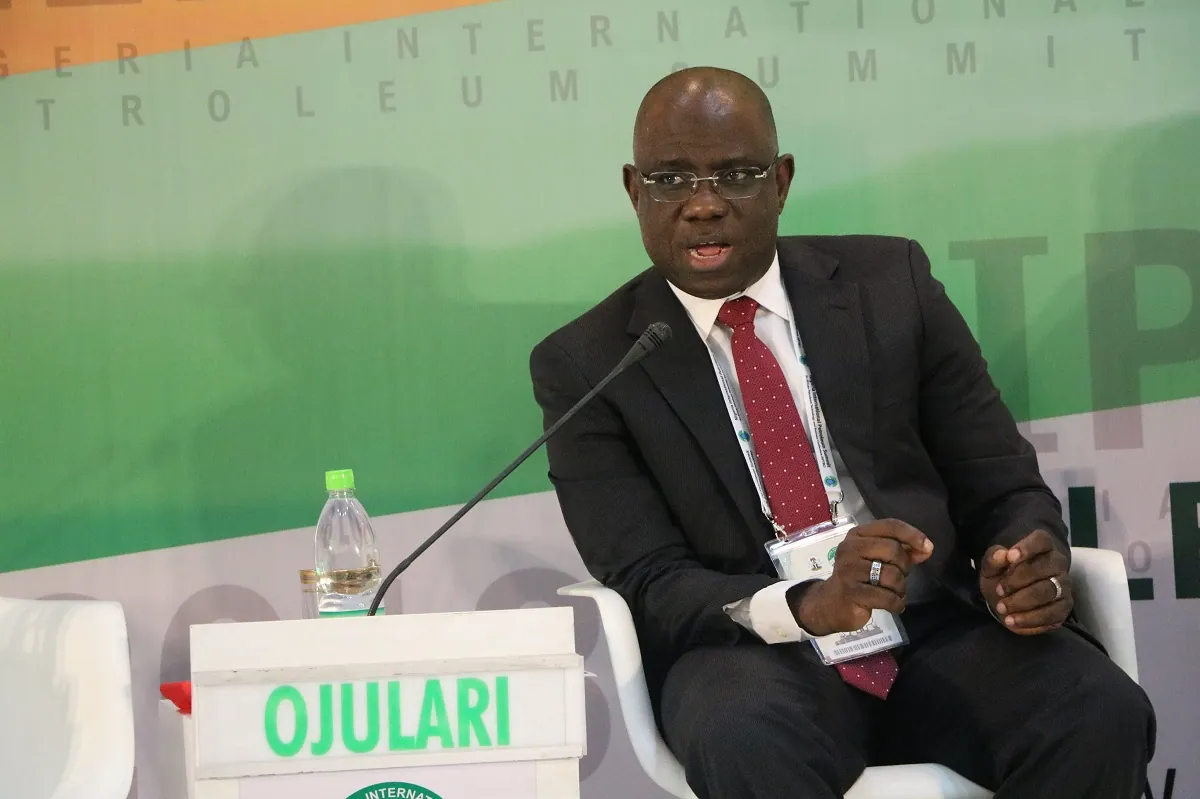
The Nigerian National Petroleum Company Limited (NNPCL) — long regarded as the economic lifeline of the nation — is once again at the centre of controversy, as reports emerge that its reform-minded Group Managing Director (GMD) and Chief Executive Officer, Bashir Ojulari, was rumoured to have tendered his resignation from an undisclosed location, barely four months into his tenure.
The NNPCL, which drives government revenue and fuels both industrial and domestic productivity, has for decades been dogged by accusations of opacity, entrenched corruption, and inefficiency.
These deep-seated challenges have had devastating ripple effects across Nigeria’s largely mono-product economy, worsening hardship for millions living in “multidimensional poverty.”
Over the years, Nigeria’s inability to meet its domestic energy needs — or supply neighbouring West African nations — has been compounded by chronic refinery failures, subsidy-induced smuggling, oil theft, environmental degradation, and fatal fuel tanker accidents.
The removal of fuel subsidies by the current administration marked a bold shift, paving the way for private sector investment and sparking the revival of dormant refinery licences.
The commissioning of new projects — including the Dangote Refinery, now a significant disruptor in Africa’s and Europe’s energy markets — has positioned Nigeria to transition from a major importer to a key exporter of refined petroleum products.
However, the state-owned oil giant’s internal rot persisted. Notably, the much-celebrated “successful” turnaround maintenance (TAM) of the Port Harcourt refinery turned out to be a failure, producing no refined products despite vast expenditure.
This scandal preceded the April 2025 exit of long-serving GMD Mele Kyari, whose nearly six-year tenure was marked by allegations of inflated import figures, bloated subsidy claims, and misrepresentation of project successes.
Following Kyari’s removal, the government announced sweeping leadership changes, replacing the NNPCL’s management and board with what industry insiders called a “dream team” of seasoned technocrats.
At the helm was Bashir Ojulari, a globally respected petroleum engineer and strategist with over three decades in the oil and gas sector, including a distinguished career at Shell Nigeria Exploration and Production Company (SNEPCo).
Ojulari’s first 120 days were defined by an aggressive push for accountability, transparency, efficiency, and profitability. His reforms included:
Financial transparency: closing revenue leakages through enhanced disclosures and strict procurement oversight.
Operational due diligence: introducing rigorous project evaluations to prevent waste and corruption.
READ ALSO: Reforms, rift, rising tensions define Ojulari’s first 100 days at NNPCL
Workforce professionalisation: replacing patronage-based appointments with merit-based selections, instituting performance audits, and holding executives accountable.
Innovation and competitiveness: pursuing cost optimisation, digital transformation, and new revenue streams to make NNPCL globally competitive.
Cabals Strike Back
But these sweeping reforms appear to have unsettled entrenched interests. Powerful industry “cabals” — long accused of benefiting from the company’s inefficiencies — are reportedly pushing for Ojulari’s ouster, portraying him as a disruptive force and an enemy of political powers.
Insiders say the sustained pressure has left Ojulari with little room to manoeuvre, triggering his rumoured resignation from abroad.
The development has sparked concern among stakeholders who fear Nigeria risks losing the momentum needed to transform the NNPCL into a profitable, world-class national oil company comparable to Saudi Aramco or Brazil’s Petrobras.
Analysts warn that allowing vested interests to derail ongoing reforms could shatter the government’s “Renewed Hope” agenda for a sanitised and competitive petroleum sector — a move that could have profound implications for the nation’s economic stability and future energy security.


-

 Latest5 days ago
US Immigration fees rise from October 16 as USCIS announces new charges
-
 Health1 week ago
COVID-19 Hospital care under scrutiny as US Senate hears patient, family testimonies
-

 Business1 week ago
OpenAI shelves GPT-6.1 astra release over safety concerns
-

 Business4 days ago
Nigeria’s $55bn reserves raise fresh questions over naira value
-
 Latest1 week ago
ADC’s 2027 Strategy: Who are the key players and what are their roles?
-

 Latest1 week ago
‘Our Uranium lit Europe, while Niger stayed in darkness’ — PM tells UN
-

 Health4 days ago
Florida sues Pfizer over deceptive COVID-19 vaccine marketing
-

 Business1 week ago
OPay leads Nigerian financial apps as smartphone adoption hits 75%