
Business
Reforms Without Relief: Why Nigerians Still Struggle Amid Progress”


Nigeria’s democracy has endured for twenty-six years, but the real test of its strength lies not in elections, but in the daily lives of its people. Since 2023, Nigerians have been living through one of the boldest economic overhauls in the country’s history.
Reforms Without Relief, The removal of fuel subsidies, the floating of the naira, and an aggressive debt-refinancing strategy were meant to stabilize finances and encourage growth. On paper, some results are encouraging. In the first quarter of 2025, the economy grew by 3.13%, raising GDP to ₦372.8 trillion (≈ $243 billion) after a rebasing exercise that included emerging sectors like e-commerce and tourism (Reuters).
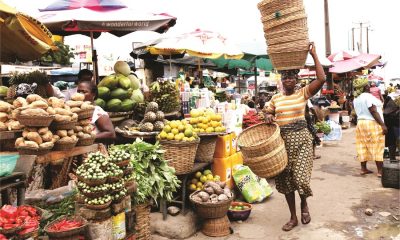
But beyond the glossy figures, Nigerians are struggling more than ever. Inflation, though slowing, remains painfully high at 21.9% in July 2025, while food inflation surged to 22.7% in the same period. These numbers translate into stark realities: market stalls with fewer buyers, families skipping meals, and a rising tide of despair. as reported by the National Bureau of Statistics
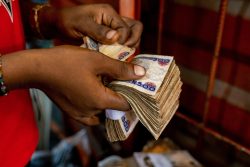
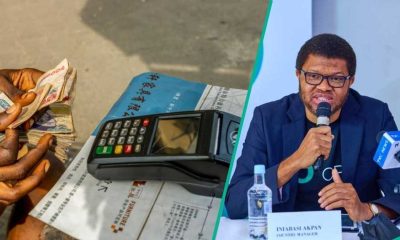
A Lagos trader counts naira notes as food prices rise. Nigeria’s reforms show promise, but millions remain trapped in hardship.
Reforms That Strain Citizens
The government insists that painful reforms are necessary for long-term stability. To its credit, some structural initiatives are worth noting. The recent approval of a ₦4 trillion (≈ $2.6 billion) power sector debt-refinancing plan is designed to revive electricity distribution and reduce blackouts that cripple businesses (Reuters). Meanwhile, local manufacturers have adjusted to foreign exchange volatility by sourcing more inputs locally. Firms like Chemical and Allied Products now use 90% local raw materials, cutting costs by up to 60% and showing that necessity can drive innovation (FT).
Yet these wins are overshadowed by the human toll. For traders in Onitsha or farmers in Kaduna, reforms mean little if they cannot afford to transport goods, feed their families, or keep children in school. The gap between macroeconomic headlines and microeconomic reality is widening and trust in government risks being eroded.
The Human Cost of Progress
Beyond cities, rural Nigeria faces an even grimmer picture. Erratic rainfall, persistent insecurity, and rising costs have left 31 million Nigerians food insecure, according to international aid monitors (AP News). This is not just a statistic; it represents households rationing grains, children suffering malnutrition, and farmers abandoning land because inputs are unaffordable.
The irony is clear: Nigeria is Africa’s most populous country and one of its largest oil producers, yet it struggles to feed its people. Government declarations of a food emergency ring hollow unless matched with urgent interventions fertilizer subsidies, irrigation projects, and security for farmers against banditry. Without this, economic reform will remain a story of sacrifice without shared reward.
Nigerians ask the fundamental question, Reforms Without Relief: Why Nigerians Still Struggle Amid Progress why ?
Nigeria’s Choices
Nigeria’s path forward must balance reform with relief. Stabilizing the naira and cutting wasteful subsidies are commendable, but they cannot be the whole story. Ordinary Nigerians need targeted safety nets direct cash transfers, affordable transport schemes, and school feeding programs. These are not handouts; they are lifelines that enable citizens to survive long enough to benefit from reforms.
Many Nigerians now describe their daily reality as “reforms without relief: why Nigerians still struggle amid progress.” The paradox is striking GDP expands and foreign investors take notice, yet ordinary citizens face rising food prices, transport costs, and collapsing purchasing power. This contradiction underscores the urgent need for reforms to be matched with tangible social protections, so that progress is not celebrated only in statistics but also felt in the kitchens, classrooms, and marketplaces of everyday Nigerians.
Equally important is investing in industries that create jobs. Local sourcing of inputs is a step forward, but Nigeria must move from import substitution to value-added production processing agricultural produce, exporting finished goods, and building competitive capacity in ICT and renewable energy. These are the engines of inclusive growth.
Finally, leadership must reframe progress. Growth is not just about GDP figures; it is about whether citizens can afford food, whether young graduates can find work, and whether parents believe their children’s future will be brighter. If reforms widen inequality, they will ultimately fail, no matter the fiscal stability they bring.
READ ALSO: Tinubu’s Rough Road to 2027: Politics in the Shadow of Buhari’s Death
In conclusion, Nigeria stands at a crossroads. The choice is between an economy that stabilizes on paper but leaves millions behind, or one that truly invests in its people. The current administration deserves credit for boldness, but boldness without compassion risks breeding resentment and despair.
To lead is not only to make tough choices but to ensure that those choices do not crush the very people they are meant to uplift. The test of Nigeria’s leadership today is whether reforms will be remembered as the beginning of shared prosperity or as another chapter of hardship.
Many Nigerians now describe their daily reality as “reforms without relief: why Nigerians still struggle amid progress.” The paradox is striking GDP expands and foreign investors take notice, yet ordinary citizens face rising food prices, transport costs, and collapsing purchasing power. This contradiction underscores the urgent need for reforms to be matched with tangible social protections, so that progress is not celebrated only in statistics but also felt in the kitchens, classrooms, and marketplaces of everyday Nigerians.
Until Nigerians begin to feel relief in their homes, markets, and farms, the nation’s progress will remain unfinished and the question Reforms Without Relief why?.







-

 Featured5 days ago
Ranking the seven greatest World Cup finals of all time
-
 Business6 days ago
OPay breaks silence on viral September shutdown claim
-

 Latest6 days ago
Tinubu’s FBI records: Omokri challenges claims, cites 2003 Embassy reply
-

 Business4 days ago
X3M Ideas donates 50 Walkie-Talkies to strengthen security operations in Onigbongbo
-
 Latest5 days ago
2027: Atiku vows direct payment of local government funds if elected president
-

 Latest5 days ago
2027: Atiku, Obi absent as opposition begins talks on single presidential candidate
-
 Latest6 days ago
Anambra 2027: INEC, NDC clash over 10 disputed Assembly candidates
-
 Latest6 days ago
Atiku’s attack on Tinubu’s vacation ‘embarrassing, poorly researched’ — Abati