
Latest
1 in 4 children fail paternity test in Nigeria – Report

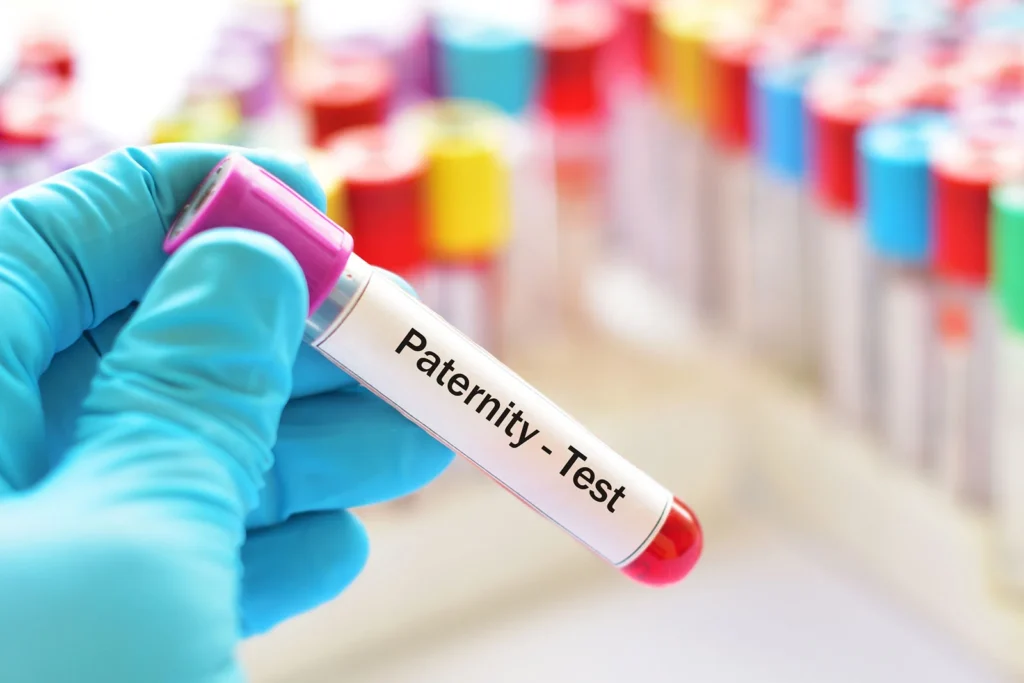
The debate over paternity testing in Nigeria has intensified following a new report by Smart DNA Nigeria, which revealed that one in every four children tested failed Deoxyribonucleic Acid (DNA) verification between July 2024 and June 2025.
The findings, which highlight the growing social and cultural implications of what many have described as “paternity fraud,” have sparked heated arguments across the country about trust, marriage fidelity, family stability, and mental health.
According to the study, 25 percent of DNA tests returned negative results, a slight drop from 27 percent in 2024. Strikingly, firstborn children were most affected, with firstborn sons topping the exclusion list at 64 percent.
Other highlights include:
Immigration cases on the rise: 13.1 percent of DNA tests were linked to migration, largely fueled by the ongoing “Japa” wave as families sought documentation for relocation abroad.
Men drive testing decisions: Men ordered 88.2 percent of all tests, compared to just 11.8 percent by women. Nearly half of these men were aged 41 and above, reflecting a link between financial security and the decision to confirm paternity.
Children mostly under 5 tested: Suggesting that parents prefer resolving doubts early.
Regional spread: Lagos accounted for 69 percent of all tests, with Lekki leading as the single top location at 20.3 percent.
Ethnic divide: Yoruba clients made up 53 percent of cases, Igbo 31.3 percent, and Hausa 1.2 percent, pointing to cultural differences in attitudes toward DNA testing.
Motivations for testing: 83.7 percent of cases were conducted for peace of mind, while only 1.4 percent were mandated by courts.
Smart DNA’s Operations Manager, Elizabeth Digia, stressed that the data represents more than science.
“These statistics tell us something profound about trust, relationships and the legal and economic realities of Nigerian families today,” she said, calling for legal reforms, integration of DNA testing into healthcare, and public education to counter misconceptions.
READ ALSO: Police arrest suspected kidnapper, rescues 7-year-old-boy in Lagos
Heated Public Debate
The report has reignited public debate on whether men should subject their children to DNA testing, particularly in cases of suspicion.
On one side are those who argue that DNA testing should only be conducted if another man is contesting paternity. Lagos-based clinical psychologist, Dr. Dipo Olawale, warned that unnecessary testing could trigger devastating emotional and psychological consequences.
He said:
“If the test turns out that the children belong to another man, the emotional trauma could be unbearable. Some men might even resort to violence against their wives. Why not let sleeping dogs lie if no one is contesting ownership of your children?”
On the other side, some Nigerians believe early testing is crucial to avoid future heartbreak. Chief Wole Adegbola, a strong advocate for early DNA checks, argued that suspicion alone should justify testing.
“I know of a man who discovered that his 28-year-old son, whom he had trained through university, was not his biological child. The wife revealed this during a quarrel. Imagine the devastation. It is better to know early, even if you decide to still raise the child—it becomes your deliberate choice,” he said.
Broader Implications
The controversy has laid bare deeper issues of trust in marriages, women’s fidelity, cultural attitudes to inheritance, and the psychological well-being of children and parents alike. While some see DNA testing as a tool for truth and accountability, others warn it could destabilize families and even lead to violence.
With paternity fraud debates now dominating social discourse, experts say the findings highlight the urgent need for policy intervention, public sensitization, and structured counseling services for families grappling with the life-changing impact of DNA revelations.


-

 Business5 days ago
CBN reduces MPR by 350bps to 23% in major monetary policy shift
-

 Business7 days ago
Jetour takes T1 adventure SUV experience to Abuja, targets growing Nigerian market
-

 Football4 days ago
Saka: England still carry World Cup scar
-

 Comments and Issues5 days ago
Sometimes, goodwill finds us through the people we love
-

 Football7 days ago
Nigeria vs Colombia: Falconets battle for U-20 World Cup semi-final ticket
-

 Football1 week ago
Breaking:Brighton shocks Arsenal 3-0 as Gunners’ perfect start comes crashing down
-

 Comments and Issues6 days ago
Peter Obi and the Pensioners’ Testimony
-

 Business7 days ago
NMDPRA moves against petrol price gouging as pump prices rise to N1,450