President Bola Ahmed Tinubu has moved to overhaul leadership at two of Nigeria’s most critical petroleum regulatory agencies, the Nigerian Midstream and Downstream Petroleum Regulatory Authority (NMDPRA) and the Nigerian Upstream Petroleum Regulatory Commission (NUPRC), following the exit of their chief executives.
In a statement issued on Wednesday, the Presidency confirmed that Engineer Farouk Ahmed of the NMDPRA and Mr Gbenga Komolafe of the NUPRC have stepped down from their positions. Mr Ahmed has been at the centre of corruption allegations made by Africa’s richest man, Aliko Dangote, whose $20 billion Dangote Refinery is the largest single-train refinery on the continent.
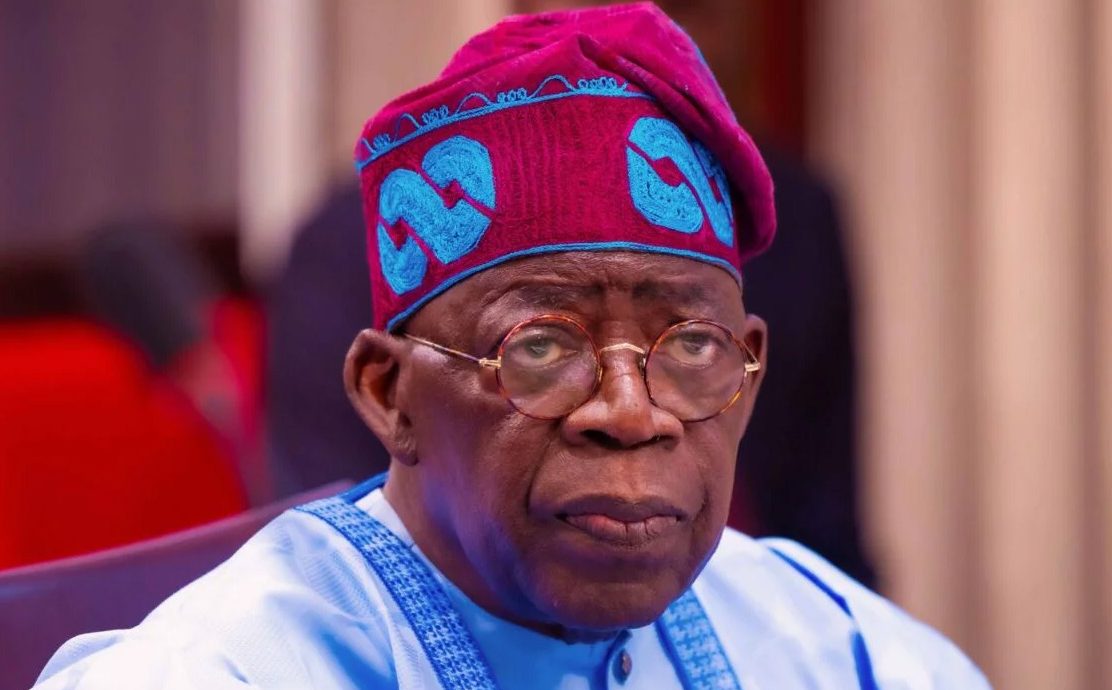
Presidential spokesperson, Mr Bayo Onanuga, disclosed that President Tinubu has formally written to the Senate, seeking expedited confirmation of new nominees to lead the two agencies established under the Petroleum Industry Act (PIA).
According to the statement, Ms Oritsemeyiwa Amanorisewo Eyesan has been nominated as Chief Executive Officer of the NUPRC, while Engineer Saidu Mohammed has been nominated as Chief Executive Officer of the NMDPRA.
“The request for expedited confirmation follows the resignations of Engineer Farouk Ahmed and Gbenga Komolafe, who were appointed in 2021 under former President Muhammadu Buhari to lead the agencies established by the Petroleum Industry Act,” Mr Onanuga said.
Ms Eyesan is a seasoned oil and gas professional with nearly 33 years of experience at the Nigerian National Petroleum Corporation (NNPC) and its subsidiaries. An Economics graduate of the University of Benin, she retired as Executive Vice President, Upstream, between 2023 and 2024. She previously served as Group General Manager, Corporate Planning and Strategy, from 2019 to 2023, playing a key role in upstream investment planning and policy alignment.
Engineer Saidu Mohammed, born in 1957 in Gombe State, holds a Bachelor’s degree in Chemical Engineering from Ahmadu Bello University, Zaria. He was recently appointed an independent non-executive director at Seplat Energy. His extensive career includes stints as Managing Director of Kaduna Refining and Petrochemical Company and the Nigerian Gas Company, as well as chairmanship roles at the West African Gas Pipeline Company, Nigeria LNG subsidiaries, and NNPC Retail.
Mr Mohammed also served as Group Executive Director and Chief Operating Officer of the Gas & Power Directorate, where he provided leadership on major gas projects and policy frameworks, including the Gas Master Plan, Gas Network Code, and contributions to the Petroleum Industry Act. He played key roles in delivering strategic infrastructure such as the Escravos–Lagos Pipeline Expansion, the Ajaokuta–Kaduna–Kano (AKK) Gas Pipeline, and Nigeria LNG Train projects.
Energy sector analysts say the leadership changes signal President Tinubu’s determination to strengthen regulatory credibility and restore investor confidence in Nigeria’s oil and gas industry.
Dr Ayo Oladipo, an energy economist, noted that the move comes at a critical time. “The PIA was designed to depoliticise regulation and improve transparency. Any perception of regulatory compromise, especially amid high-profile disputes like that involving the Dangote Refinery, can undermine the entire reform agenda,” he said.
Similarly, oil and gas governance expert, Ms Zainab Musa, described the nominations as “strategic.” “Both nominees have deep institutional knowledge of the sector. If confirmed, their challenge will be to assert regulatory independence while ensuring fair competition and efficient market operations,” she said.
Industry observers believe the Senate’s handling of the confirmation process will be closely watched, as stakeholders expect the new leadership to address lingering regulatory tensions, boost domestic refining, and fully implement the Petroleum Industry Act to stabilise Nigeria’s energy sector.



 Energy1 week ago
 Football2 days ago
 Crime7 days ago
 Football1 week ago
 Business1 week ago
 Crime7 days ago

 Business1 week ago