Large parts of southern Africa are grappling with one of the most devastating flooding disasters in decades, as relentless torrential rainfall continues to wreak havoc across South Africa’s Limpopo and Mpumalanga provinces, as well as central and southern Mozambique, triggering a growing humanitarian and infrastructure crisis.
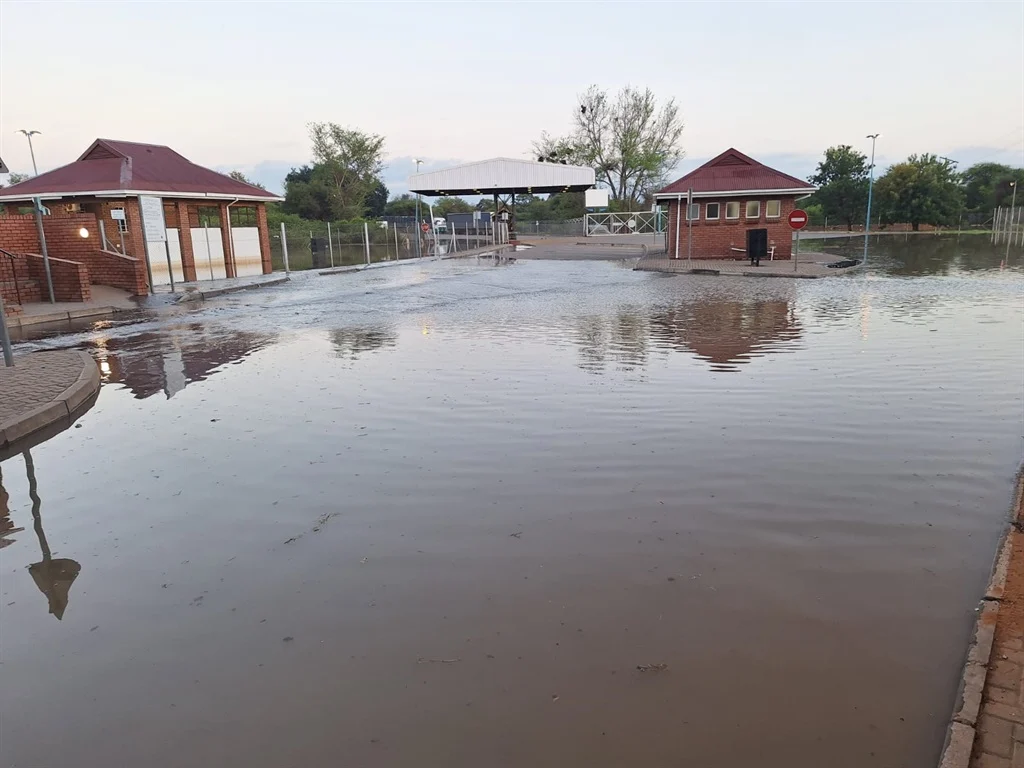
In Limpopo Province, weeks of intense rainfall, worsened by a persistent low-pressure system over the southern African interior, have led to widespread flooding that has submerged communities, farmlands and critical infrastructure.
Major rivers, including the Limpopo, Levubu and Letaba, burst their banks, unleashing powerful floodwaters that swept through residential settlements and agricultural areas.
Local authorities have confirmed that at least 24 people have lost their lives in Limpopo, with several others still missing after being swept away by fast-flowing currents or trapped in collapsed buildings.
Scores of residents have been displaced and are currently taking shelter in community halls, churches and other temporary facilities provided by the Department of Social Development.
The scale of infrastructure damage in Limpopo is estimated to run into billions of rands. Several sections of the N1 highway — a key regional transport route linking South Africa to Zimbabwe and the broader Southern African Development Community (SADC) region — have been intermittently closed due to sinkholes, debris and flooding.
More than 40 bridges have either been washed away or declared structurally unsafe, leaving many rural communities cut off from essential services, including healthcare, food supplies and emergency assistance.
President Cyril Ramaphosa visited Mbaula village outside Giyani, one of the worst-hit communities, where at least 36 homes were destroyed by floodwaters. During the visit, the President expressed deep sadness over the death of a five-year-old boy who was swept away by the floods.
READ ALSO: Flood Ravages Lekki Paralyses Traffic as Residents Cry Out
“Our people will be taken care of,” Ramaphosa said. “Records are being compiled, the details of every household and every person affected are being gathered, and we will ensure they receive the necessary support. Even those who have temporarily moved in with relatives will be assisted as the government helps them rebuild their lives.”
Meanwhile, neighbouring Mpumalanga Province is also battling severe flooding, particularly in the Ehlanzeni District, which includes the provincial capital Mbombela and border towns near Mozambique.
Rivers such as the Crocodile, Komati and Sabie have exceeded their so-called “one-in-50-year” flood levels, inundating vast areas and turning farmlands and settlements into inland seas. Communities have been left isolated, while roads, bridges and agricultural infrastructure have suffered extensive damage.
The crisis extends beyond South Africa’s borders. In Mozambique, large parts of the central and southern regions have been placed under a state of emergency after a week of continuous heavy rainfall.
Authorities estimate that more than 50,000 people have been affected, with about 15,000 currently sheltering in temporary accommodation centres set up in schools and government buildings.
Humanitarian agencies on the ground have warned of worsening conditions. A Red Cross volunteer in Boane described the situation as dire, saying many families lost their homes, crops and livestock in a single night.
“We are struggling to provide enough clean water and sanitation to prevent outbreaks of waterborne diseases such as cholera,” the volunteer said.
As floodwaters slowly recede in some areas, the full extent of the destruction is becoming clearer.
Across the region, communities are facing the daunting task of rebuilding their lives amid ruined infrastructure, damaged farmland and mounting humanitarian needs, while governments and aid agencies race to provide relief and prevent further loss of life.


 Business1 week ago
 Latest6 days ago
 Business1 week ago
 Football1 week ago
 Business1 week ago
 Business1 week ago
 Football5 days ago
 Health1 week ago